
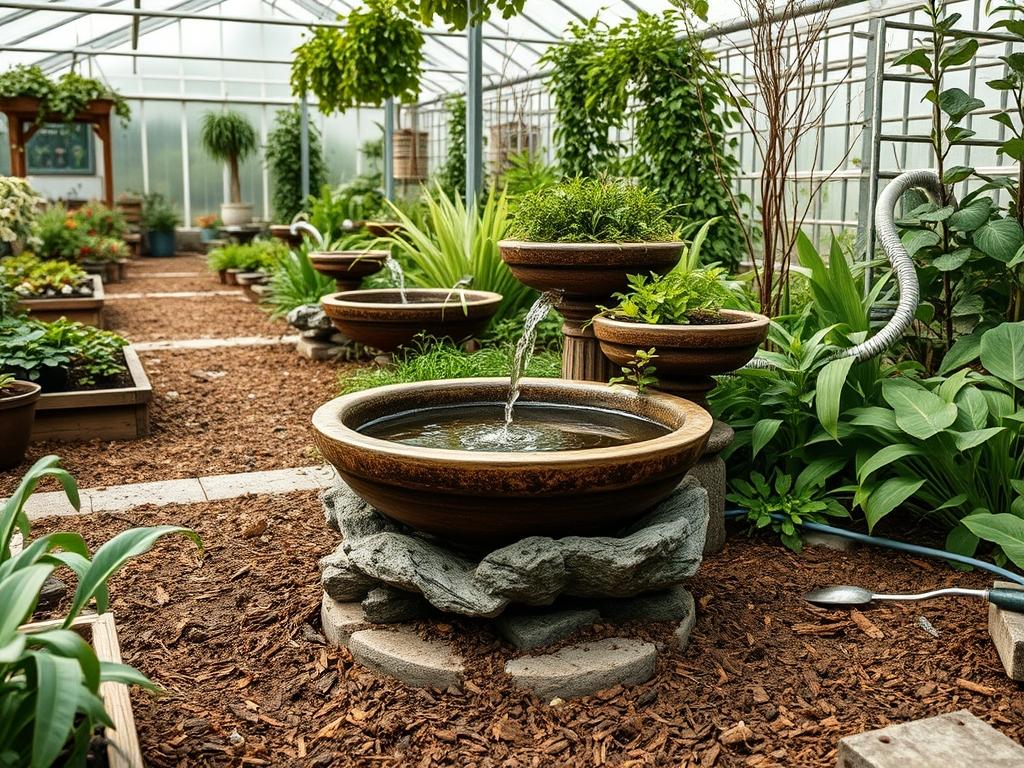
Integrating water into a modern landscape requires more than simply placing a basin in the center of a lawn. It demands a sophisticated understanding of how light, sound, and geometry interact with the surrounding architecture. Many homeowners struggle with the transition between rigid hardscapes and organic garden beds. This is where the concept of the contemporary water bowl becomes essential. These vessels act as a bridge, providing a crisp silhouette that tames the wildness of a lush garden. Beyond aesthetics, the functional role of water in an outdoor environment cannot be overstated. It manages ambient noise, provides a cooling effect through evaporation, and creates a sense of sanctuary that enhances real estate value. Whether you are dealing with a compact urban patio or an expansive suburban estate, selecting the right vessel involves analyzing site-specific variables like wind exposure, solar orientation, and the existing architectural vocabulary of the home.
Landscape Design Principles
To achieve a professional result, one must apply the same rigors of symmetry and proportion used in interior design to the outdoor space. A contemporary water bowl serves as a focal point, drawing the eye toward a specific destination in the garden. For a minimalist aesthetic, place the bowl at the terminus of a long, straight flagstone walkway. This creates a sense of arrival. If the garden follows a more organic, asymmetrical layout, the water feature should be nestled into a “pocket” of the landscape, perhaps elevated on a low pedestal to give it prominence over ground-cover plants.
Elevation plays a critical role in visual balance. A low-profile bowl, measuring approximately 12 inches in height, works best when surrounded by low-growing textures like moss or thyme. Conversely, a taller vessel approaching 30 inches requires the companionship of mid-sized shrubs or architectural grasses to ground it. Visual weight is another factor. A heavy Gfrc (Glass Fiber Reinforced Concrete) bowl provides a sense of permanence, while a polished stainless steel basin offers a reflective quality that can make a small courtyard feel significantly larger. Always plan the sightlines from inside the home. The water feature should be visible through a primary window or glass door, extending the living space outdoors even during colder months.
Plant and Material Selection
The success of a water feature depends heavily on the botanical frame that surrounds it. You must select plants that can tolerate the microclimate created by constant moisture without being invasive.
| Plant Type | Sun Exposure | Soil Needs | Water Demand | Growth Speed | Maintenance Level |
|—|—|—|—|—|—|
| Black Mondo Grass | Part Shade | Well-drained | Moderate | Slow | Low |
| Japanese Forest Grass | Shade | Humus-rich | High | Moderate | Low |
| Dwarf Hinoki Cypress | Full Sun | Acidic | Moderate | Very Slow | Low |
| Canna Lily | Full Sun | Rich/Moist | High | Fast | Medium |
| Blue Star Creeper | Full/Part Sun | Loamy | Moderate | Fast | Medium |
| Sweet Flag (Acorus) | Full/Part Sun | Wet/Boggy | High | Moderate | Low |
In addition to plants, the material used for the base of the feature determines its longevity. Using poly-coated steel edging to separate the water bowl’s gravel base from the turf prevents grass encroachment. For the fill material around the bowl, consider 3-inch Mexican Beach Pebbles or crushed basalt. These materials offer a clean, dark backdrop that makes the shimmer of the water pop.
Implementation Strategy
The installation of a contemporary water feature begins long before the bowl arrives on site. First, the area must be graded to ensure a 2 percent slope away from the home’s foundation and the water feature base. This prevents the basin from sitting in standing water during heavy rain. Start by excavating the site to a depth of 6 inches. Fill this area with 4 inches of compacted crushed limestone to provide a stable, level foundation. This step is non-negotiable; a water bowl that is off-level by even 0.25 inches will have uneven water flow, ruining the aesthetic effect of a perfect spillway.
Next, address the utility requirements. If the bowl includes a fountain pump, you must run a 1/2-inch PVC conduit underground for the electrical line. Ensure the Gfci outlet is hidden but accessible. For the plumbing, a submersible pump rated for at least 300 GPH (Gallons Per Hour) is standard for medium-sized bowls. Once the bowl is leveled and the pump is set, fill the surrounding cavity with non-woven geotextile fabric and a layer of River Jacks or Polished Black Stones. Finish the edge with a clean 2-inch mulch depth using dark dyed wood chips or pine bark to maintain moisture for the surrounding plants.
Common Landscaping Failures
One of the most frequent mistakes in water bowl placement is ignoring the “splash zone.” If a fountain is too active, it will saturate the surrounding soil, leading to root rot in plants that require dry feet. To avoid this, use a variable speed pump to control the flow and choose moisture-loving species for the immediate perimeter. Another common failure is improper drainage of the sub-base. Without a proper gravel layer, the heavy weight of a cast stone or Corten steel bowl can cause soil compaction. Over time, this results in the bowl tilting or sinking into the ground.
Spacing is also an area where many DIY projects fail. Homeowners often place large shrubs too close to the bowl. As the plants mature, they crowd the feature, making maintenance difficult and obscuring the focal point. Always research the mature spread of a plant before digging. Finally, consider the impact of deciduous trees. Placing a water bowl directly under an Oak or Maple tree will result in a constant battle with fallen leaves, which can clog the pump intake and cause the water to turn brown due to tannin leaching.
Seasonal Maintenance
Landscape management is a year-round commitment. In the spring, your focus should be on cleaning. Use a soft-bristled brush and a mixture of white vinegar and water to remove calcium deposits from the rim of the bowl. Check the submersible pump for debris and clear the intake screen. As summer arrives, evaporation becomes the primary challenge. You may need to top off the water level every few days, or install an automatic fill valve connected to your irrigation system to maintain a consistent depth.
During autumn, the priority shifts to debris management. Installing a temporary fine mesh net over the bowl can save hours of cleaning. If the water begins to smell, a small dose of beneficial bacteria can help break down organic matter without harming local wildlife. Winter maintenance is the most critical for the structural integrity of the vessel. In climates where the ground freezes, you must drain the bowl entirely. Water expands as it freezes, which can crack concrete, ceramic, or stone basins. Remove the pump and store it in a bucket of water in a frost-free garage to keep the seals from drying out. Cover the bowl with a heavy-duty waterproof tarp or flip it over to prevent melt-water from accumulating and refreezing inside.
Professional Landscaping FAQ
How do I prevent algae growth in my water bowl?
Maintain water clarity by using a UV sterilizer or adding aquatic plants like Oxygenators. Ensure the feature is not in direct, punishing sunlight for more than 6 hours a day. Regular water changes also keep nutrient levels low.
What is the best material for a low-maintenance water feature?
Corten steel and Gfrc (Glass Fiber Reinforced Concrete) are superior for durability. Corten develops a protective rust patina that requires no painting. Gfrc provides the look of heavy stone but is much easier to move and install.
How much power does a standard fountain pump consume?
Most modern, small to medium submersible pumps are highly efficient. They typically use between 40 and 100 watts, which is similar to a standard light bulb. Running the pump on a timer can further reduce energy costs.
Can I keep fish in a contemporary water bowl?
Most contemporary bowls are too shallow for fish to survive long-term. Small basins fluctuate in temperature too rapidly, which stresses the animals. For fish, you need a depth of at least 24 inches and a dedicated filtration system.
Do I need a permanent water line for my bowl?
While not strictly required, a 1/4-inch drip line connected to your irrigation controller is highly recommended. It automates the “top-off” process, ensuring the pump never runs dry during the peak of summer heat.