
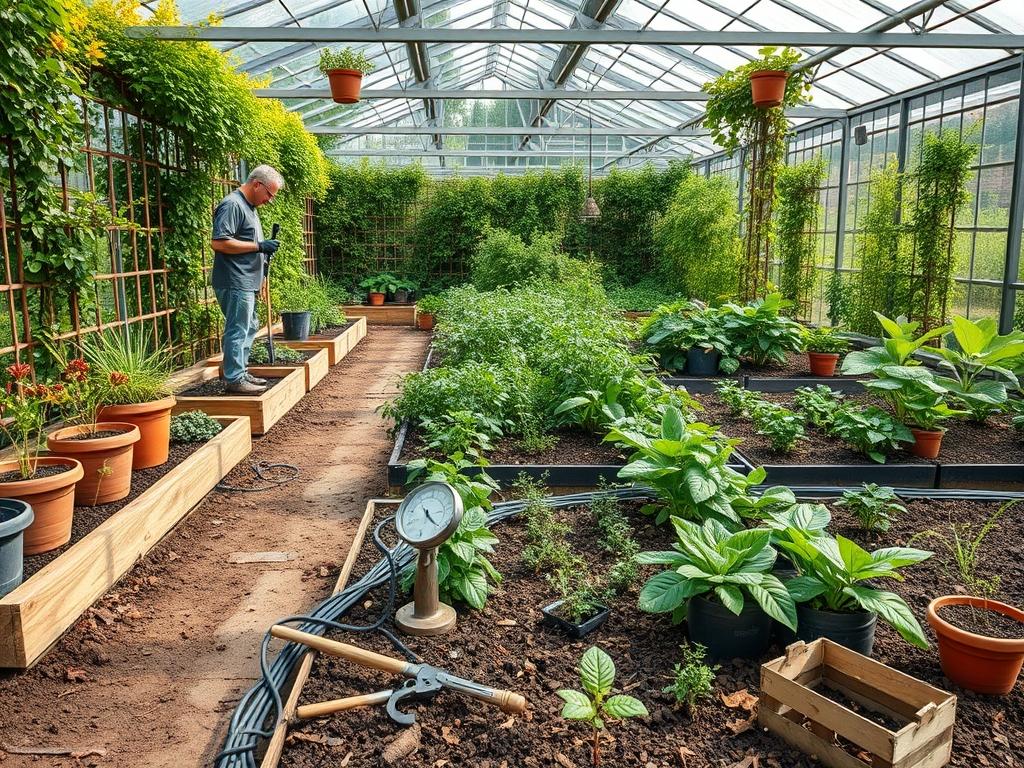
Vertical interest serves as the essential architectural bridge between the horizontal plane of a garden and the soaring heights of the canopy. In modern landscape design, the trellis is far more than a simple support for climbing vines; it is a critical tool for defining outdoor rooms, managing privacy, and masking unsightly structural features. When selecting Modern Trellis Materials, professionals must weigh the organic warmth of Wood against the sleek, industrial longevity of Metal. This decision is rarely based on aesthetics alone. It involves a rigorous analysis of the local micro-climate, the expected mature weight of the plant species, and the long-term maintenance capacity of the property owner. A poorly chosen material can lead to structural collapse under the weight of a mature Wisteria or localized soil toxicity from chemical leaching. Understanding these materials is the first step in creating a vertical garden that enhances curb appeal while standing the test of time.
Landscape Design Principles
Effective vertical landscaping relies on the principle of elevation layers. By introducing a Trellis, a designer can draw the eye upward, making a small courtyard feel significantly more expansive. Visual balance is achieved by mirroring the material palette of the primary residence. For a home with industrial accents, Powder-Coated Steel or Wrought Iron provides a seamless transition. Conversely, a traditional craftsman home benefits from the tactile nature of Redwood or Cedar.
Symmetry and focal points are best established by placing trellises at the end of a long Flagstone Walkway or flanking a central seating area. This creates a sense of destination. Furthermore, the trellis serves as a vital component in irrigation planning. Professional architects often integrate Drip Irrigation Lines directly into the trellis frame to ensure that climbing plants receive consistent hydration at their roots without wasting water on the foliage. This integration requires foresight during the grading phase to ensure that pipes are buried at a depth of at least 12 inches to prevent freeze-thaw damage or accidental puncture during seasonal planting.
Plant and Material Selection
| Plant Type | Sun Exposure | Soil Needs | Water Demand | Growth Speed | Maintenance Level |
| :— | :— | :— | :— | :— | :— |
| Star Jasmine | Full Sun to Part Shade | Well-draining Loam | Moderate | Medium | Low |
| Clematis | Full Sun (Roots in Shade) | Rich, Alkaline | High | Fast | Medium |
| Wisteria | Full Sun | Deep, Fertile | Moderate | Aggressive | High |
| Climbing Rose | Full Sun | Heavy Clay/Loam | Moderate | Medium | High |
| Boston Ivy | Shade to Part Sun | Any Soil | Low | Very Fast | Low |
| Honeysuckle | Full Sun | Moist, Well-drained | Moderate | Fast | Medium |
When matching plants to Modern Trellis Materials, consider the method of attachment. Metal trellises can become extremely hot in the summer, which may scorch the delicate tendrils of a Clematis. In contrast, heavy woody climbers like Wisteria can easily crush a flimsy Pine trellis as they thicken over several decades. For heavy loads, Galvanized Steel or Heavy-Duty Cedar Posts measuring at least 4 inches by 4 inches are mandatory.
Implementation Strategy
The success of a trellis installation begins with site preparation and grading. A level base is non-negotiable for vertical structures. Start by clearing the area and using a Transit Level or a String Line to determine the slope. If the ground has a grade greater than 2 percent, you may need to install a small Dry-Stack Stone Retaining Wall to create a level terrace for the trellis foundation.
For a permanent installation, use a Post Hole Digger to create holes that are at least 24 inches deep or one third the total height of the structure. Add 3 inches of Crushed Gravel to the bottom of the hole to facilitate drainage and prevent the bottom of the post from sitting in standing water. When using Wood, choose heartwood grades of Redwood or Pressure-Treated Lumber rated for ground contact. If using Metal, ensure the base is set in High-Strength Concrete that is sloped away from the metal to prevent water pooling and subsequent oxidation.
Once the structure is anchored, the surrounding soil should be amended with Organic Compost and topped with a layer of Hardwood Mulch at a depth of 3 inches. This mulch keeps the roots cool and prevents the soil from compacting around the trellis base, which is a common cause of poor plant health. For Metal installations near the coast, apply a Marine-Grade Clear Coat to provide an extra layer of protection against salt spray.
Common Landscaping Failures
One of the most frequent errors in trellis planning is root overcrowding. Designing a beautiful vertical display often leads homeowners to plant too many specimens at the base of a single structure. This creates intense competition for nutrients and water, resulting in stunted growth. As a rule of thumb, allow at least 18 inches of space between the main stems of large climbers.
Drainage mistakes also plague vertical gardening. If a trellis is placed at the bottom of a slope without proper French Drains or grading, the constant moisture will rot even the most resilient Cedar and cause Steel to rust prematurely. Soil compaction is another silent killer. During construction, the heavy foot traffic and equipment used to install a Trellis can squeeze the air out of the soil. This prevents oxygen from reaching the roots of your newly planted Star Jasmine. Always use a Broadfork to aerate the soil around the installation site before final planting.
Finally, improper spacing between the trellis and the wall of a house can lead to structural damage and mold. A professional designer always maintains a gap of at least 6 inches between the trellis and the siding. This ensures adequate airflow, preventing moisture from being trapped against the building and allowing for easier maintenance of both the plant and the structure.
Seasonal Maintenance
Maintenance requirements fluctuate with the seasons and the material chosen. In the Spring, inspect all fasteners and anchors. For Wood structures, check for signs of carpenter bees or soft rot. This is the optimal time to apply a fresh coat of UV-Resistant Sealer or stain. For Metal, look for chips in the powder coating and touch them up with a Zinc-Rich Primer to stop rust before it spreads.
During the Summer, focus on irrigation efficiency. Check Drip Emitters for clogs and ensure that the water is reaching the root zone rather than just wetting the surface of the Mulch. As the plants grow rapidly, use Jute Twine or Velcro Landscape Ties to train new shoots onto the structure, preventing them from becoming tangled or heavy in one area.
In the Autumn, prune back aggressive species like Wisteria to prevent them from catching too much wind or snow. Remove any dead or diseased foliage that could harbor pests over the winter. If your trellis supports deciduous vines, this is the best time to clean the frame while the structure is visible.
Winter maintenance involves protecting the footings. In regions with heavy frost heave, ensure the Concrete collars are intact. If using a portable Aluminum Trellis, consider moving it to a shed to avoid damage from heavy snow loads. For permanent structures, ensure that any Irrigation Valves have been blown out with an Air Compressor to prevent the pipes from bursting.
Professional Landscaping FAQ
Which material lasts longest for a trellis?
Powder-Coated Aluminum and Stainless Steel generally offer the longest lifespan. These materials resist rust, rot, and insect damage for decades, making them superior for permanent installations in humid or coastal environments compared to traditional Wood.
Can I attach a heavy vine to a wooden trellis?
Yes, but you must use Cedar, Redwood, or Pressure-Treated Pine. Ensure the structural posts are at least 4 inches thick and anchored in Concrete. Avoid thin Lattice Panels, which will buckle under the weight of mature vines.
How do I prevent metal trellises from burning my plants?
Choose lighter colors or finishes that reflect sunlight and heat. Alternatively, select vigorous plants with thick, woody stems or use Spacers to keep the foliage slightly away from the hottest parts of the Metal frame during peak summer.
What is the best way to anchor a trellis in a windy area?
Dig holes at least 30 inches deep and use High-Strength Concrete. For added stability, integrate the trellis into a Retaining Wall or use Heavy-Duty Steel Brackets to secure the structure to a permanent masonry surface.
Does wood type affect plant health?
Some woods, like Black Walnut, contain natural chemicals that can inhibit plant growth. However, most commercial Cedar and Redwood are safe. Ensure any Pressure-Treated Wood is rated as safe for garden use to avoid heavy metal leaching.