
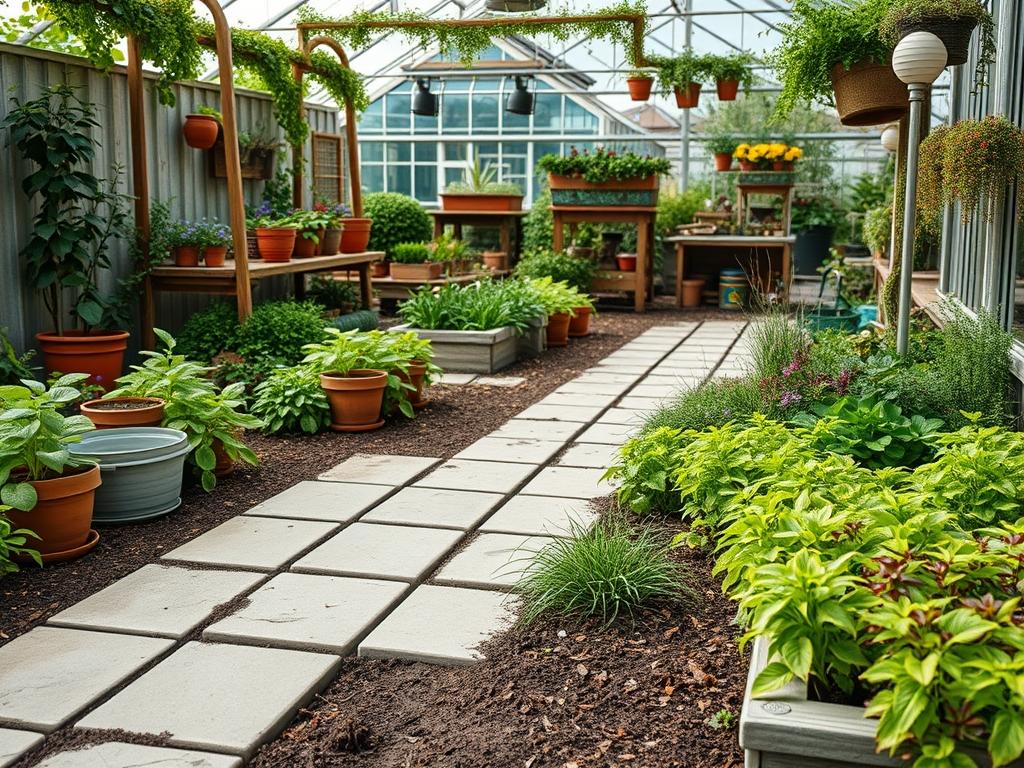
Designing an outdoor environment requires a delicate balance between geological permanence and the fluid evolution of a living ecosystem. For the modern landscape architect, the selection of hardscaping materials serves as the foundation upon which all other aesthetic and functional decisions are built. Limestone Paver Styles have emerged as a premier choice for contemporary projects because they offer a rare combination of structural integrity and aesthetic versatility. This sedimentary rock, formed over millennia, provides a neutral yet sophisticated palette that complements the architectural lines of modern homes while standing up to the rigors of fluctuating climates. Property owners often face the challenge of selecting materials that reflect heat during the height of summer, resist the structural stress of freeze-thaw cycles in winter, and maintain a high level of curb appeal. By integrating limestone into a holistic design, designers can solve these logistical hurdles while simultaneously increasing the market value of the property. The primary goal is to create a seamless transition from the curated interior of a dwelling to the expansive, organic atmosphere of the garden through thoughtful material application and site-specific planning.
Landscape Design Principles
Modern landscape architecture hinges on the strategic application of core design principles to create an outdoor space that feels both intentional and effortless. Symmetry plays a vital role in formal modernism, where the clean edges of limestone pavers are often used to mirror the footprint of the home. This creates a sense of order and tranquility. However, visual balance does not always require identical halves. Asymmetrical balance can be achieved by pairing a heavy limestone retaining wall on one side of a property with a dense grove of architectural plantings on the other. This interplay between mass and void ensures that the eye moves logically through the space.
Elevation layers are another critical component of a professional design. Using limestone to create tiered patios or sunken seating areas adds a three-dimensional quality to the backyard. By varying the height of the terrain, you can define specific outdoor rooms without the need for obstructive walls. A raised dining area might be connected to a lower fire pit zone via broad limestone steps that serve as both a transit point and an informal seating area. Throughout these transitions, the integration of focal points, such as a sculptural water feature or a specimen tree, provides a destination for the viewer.
Functionality must precede form when it comes to site infrastructure. Irrigation planning is paramount in projects involving high-end stone. The design must ensure that water is efficiently delivered to the root zones of the surrounding plant life while being diverted away from the paver sub-base to prevent settling. Walkways should be wide enough for two people to pass comfortably, typically requiring a 48-inch width or more. These paths act as the circulatory system of the garden, guiding movement while highlighting the textural differences between various Limestone Paver Styles, such as the contrast between a smooth, honed surface and a more rugged, split-face finish.
Plant and Material Selection
The success of a limestone-focused design depends on selecting plant species that thrive in the slightly alkaline environment that limestone can create. The following table provides a selection of species that pair exceptionally well with the cool tones of limestone hardscaping.
| Plant Type | Sun Exposure | Soil Needs | Water Demand | Growth Speed | Maintenance Level |
| :— | :— | :— | :— | :— | :— |
| Buxus sempervirens | Full Sun to Shade | Well-Drained | Moderate | Slow | Medium |
| Lavandula angustifolia | Full Sun | Sandy/Gritty | Low | Moderate | Low |
| Agave americana | Full Sun | Arid/Porous | Very Low | Slow | Low |
| Pennisetum setaceum | Full Sun | Adaptable | Low | Fast | Low |
| Hydrangea macrophylla | Part Shade | Rich/Moist | High | Fast | Medium |
| Carpinus betulus | Full Sun to Part Shade | Loamy | Moderate | Slow | High (if pleached) |
In addition to plant life, the selection of installation materials is vital for longevity. Using a Geotextile Fabric between the soil and the aggregate base prevents the migration of fines, while a Crushed Limestone Base compacted to a 6-inch depth provides the necessary structural support for pavers.
Implementation Strategy
Executing a sophisticated garden layout involving limestone requires a systematic approach that begins with the ground and works upward. The first step is accurate grading. The entire site must be sloped at a minimum of a 2-percent grade away from the home foundation to ensure positive drainage. Once the grade is established, the excavation area should be marked using a Laser Level to ensure precision across long spans of the property.
After excavation, the installer should lay down the aggregate sub-base in layers, using a Plate Compactor every two inches to achieve maximum density. This prevents the pavers from undulating or sinking over time. For the bedding layer, a 1-inch depth of ASTM-C33 Sand provides a level surface for the limestone. When laying the stone, designers should consider a larger format, such as 24-inch by 36-inch slabs, to minimize grout lines and emphasize the natural veining of the rock.
Edging is the next critical phase. A heavy-duty Aluminum Edging or a concrete haunch should be used to lock the perimeter pavers in place. This prevents lateral movement caused by foot traffic or soil expansion. Once the pavers are set, the joints should be filled with Polymeric Sand, which hardens when activated by water to resist weed growth and insect intrusion. Finally, the surrounding planting beds should be finished with a 3-inch layer of organic wood mulch or decorative gravel to regulate soil temperature and retain moisture for the newly installed greenery.
Common Landscaping Failures
The most frequent failure in limestone installations is poor drainage management. Limestone is a porous material; if water is allowed to pool on the surface or sit beneath the stone, it can lead to efflorescence, which is a white, powdery salt deposit that mars the appearance of the patio. Furthermore, stagnant water in the sub-base can lead to shifting during frost cycles. Designers must incorporate French Drains or permeable jointing systems in areas prone to heavy runoff to mitigate these risks.
Root overcrowding is another common oversight. When planting near limestone walkways, many homeowners select species that have aggressive, shallow root systems. Over time, these roots can lift and crack the heavy pavers. It is essential to use Root Barriers when planting large trees within ten feet of hardscaping. Additionally, improper spacing of plants often leads to a congested look within three years of installation. Always design based on the mature width of the plant rather than its size at the nursery.
Soil compaction is a “silent killer” of landscape health. In the rush to finish a hardscaping project, heavy machinery often compacts the soil in the planting beds. This destroys the soil structure and prevents oxygen from reaching plant roots. Professionals must use a Rototiller to break up compacted soil and incorporate organic matter before any planting begins. Lastly, irrigation inefficiencies, such as spray heads hitting the limestone surfaces, can lead to iron staining or calcium buildup on the stone. Drip irrigation is the preferred method for modern, stone-heavy landscapes.
Seasonal Maintenance
To preserve the integrity of Limestone Paver Styles, a seasonal management plan is required. In the spring, the focus should be on cleaning and inspection. Use a Neutral PH Cleaner and a soft-bristle brush to remove debris and organic stains from the winter months. Inspect the joints for any loss of sand and replenish as needed to maintain structural stability. This is also the time to apply a breathable, penetrating sealer if the stone is particularly porous.
During the summer, the primary task is moisture management. The reflective nature of limestone can increase the ambient temperature of nearby plants, so irrigation schedules may need to be adjusted to provide deep, infrequent watering during early morning hours. In autumn, clear fallen leaves promptly. The tannins in many tree leaves, particularly oaks, can permanently stain limestone if left to rot on the surface.
Winter maintenance in colder climates requires extreme caution regarding de-icing agents. Never use rock salt (sodium chloride) on limestone, as it will cause the surface to pit and spall. Instead, use a Calcium Magnesium Acetate product or simple sand for traction. By following this seasonal cadence, the landscape will age gracefully, with the stone developing a beautiful patina rather than showing signs of neglect.
Professional Landscaping FAQ
What is the best way to prevent limestone staining?
Apply a high-quality penetrating sealer immediately after installation. This creates a barrier within the stone pores that repels oil and water-based stains without changing the slip resistance or the natural appearance of the material.
Can limestone pavers be used around swimming pools?
Yes, limestone is an excellent choice for pool surrounds. It remains cool underfoot even in direct sunlight. However, ensure you select a brushed or tumbled finish to provide adequate traction when the stone is wet.
How do I choose between different Limestone Paver Styles?
Consider the architecture of your home. Honed, straight-edged pavers suit minimal, modern designs. If you have a more traditional or Mediterranean-style home, tumbled pavers with irregular edges provide a softer, more organic aesthetic that blends with the landscape.
How deep should the base be for a limestone driveway?
For vehicular traffic, a limestone driveway requires a much deeper foundation than a pedestrian path. You must excavate and install at least 10 to 12 inches of compacted crushed stone to support the weight of vehicles.
Will the color of limestone fade over time?
Limestone is a natural earth product, so slight color shifts are normal as it is exposed to UV rays and rain. Most designers find that the stone becomes more attractive as it weathers, gaining a distinctive character.