
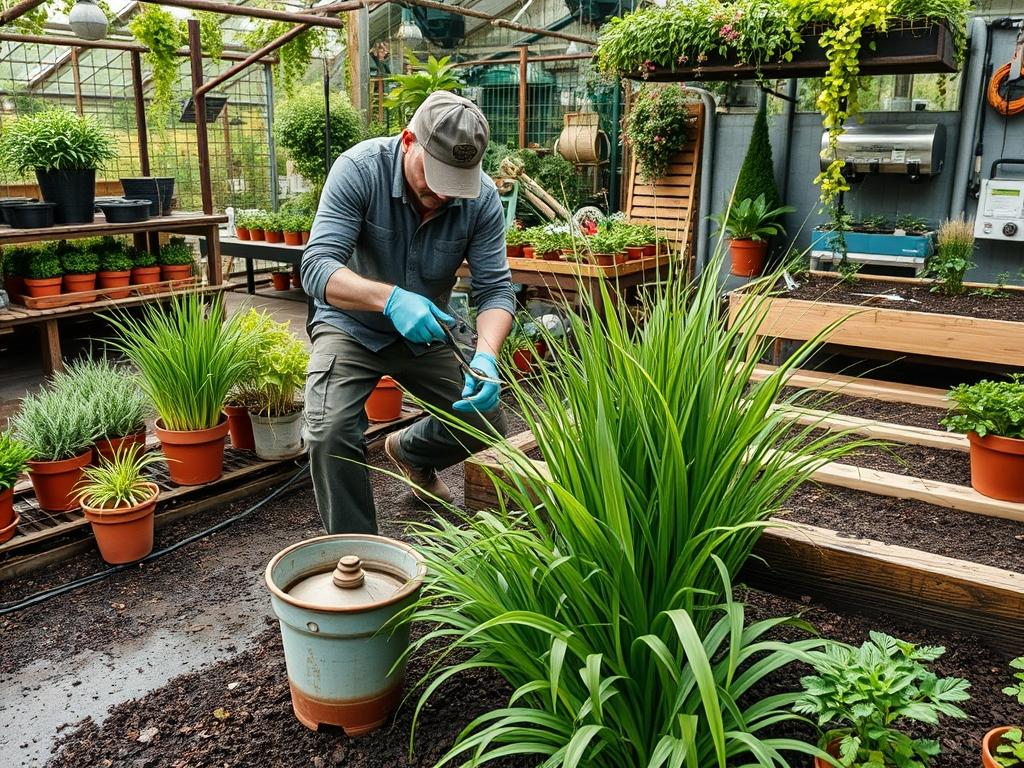
The transition from late winter into early spring marks a critical juncture for the modern landscape. Ornamental grasses, which provide structural integrity and visual interest throughout the dormant months, require a specific maintenance protocol to ensure their long-term health and aesthetic appeal. As a landscape architect, I view these botanical elements as living sculptures that define the movement and texture of an outdoor environment. When handled correctly, ornamental grass pruning serves as more than just a chore; it is a rejuvenation process that clears the way for fresh, vibrant foliage. Failure to cut back these specimens at the appropriate time can lead to a cluttered appearance, trapped moisture, and even rot at the crown. For homeowners aiming to maximize curb appeal and maintain a functional outdoor living space, understanding the timing and technique of pruning is paramount. The goal is to facilitate air circulation and allow sunlight to reach the base of the plant, which stimulates the next growth cycle.
In temperate climates, the structural silhouettes of spent grasses offer a unique architectural beauty during the winter, often catching frost or light snow in a way that provides seasonal interest. However, as the ground begins to thaw and the threat of severe freezes passes, these bleached stalks must be removed. This process is not merely about tidiness. It is an essential component of professional estate management. By removing the old biomass, you prevent the center of the plant from becoming a matted, dead zone, a condition often referred to as the donut effect where the plant only grows at the edges. A well-timed prune ensures that the landscape remains productive and aesthetically balanced, setting the stage for a lush, green backdrop that will complement flowering perennials and emerging bulbs.
Landscape Design Principles
Integrating ornamental grasses into a professional landscape design requires a deep understanding of symmetry, texture, and elevation layers. One of the most common applications is the use of grasses to create focal points or visual screens. For instance, tall species such as Miscanthus sinensis or Calamagrostis x acutiflora act as rhythmic vertical elements that can soften the harsh lines of a modern retaining wall or provide privacy around an outdoor kitchen. When planning your layout, consider the ultimate height and width of the mature plant. Designing with the end in mind prevents the need for excessive pruning later in the season and ensures that the grass does not overwhelm nearby hardscaping or smaller perennials.
Elevation layers are equally important. By placing low-growing varieties like Festuca glauca in the foreground and taller Panicum virgatum in the background, you create a sense of depth and perspective. This layered approach also aids in irrigation planning. Grasses with similar water requirements should be grouped together, a practice known as hydro-zoning, which limits water waste and improves the efficiency of your drip irrigation system. Furthermore, walkways should be bordered by grasses that do not have sharp edges or invasive tendencies, ensuring that the path remains clear and inviting. Visual balance is achieved by contrasting the fine textures of grasses with the broad leaves of shade-loving plants or the solid surfaces of natural stone pavers.
Plant and Material Selection
Selecting the right plant for the specific soil condition and exposure is the foundation of any successful landscape. Below is a guide to common ornamental grasses used in professional designs.
| Plant Type | Sun Exposure | Soil Needs | Water Demand | Growth Speed | Maintenance Level |
| :— | :— | :— | :— | :— | :— |
| Pennisetum alopecuroides | Full Sun | Well-drained | Moderate | Fast | Low |
| Schizachyrium scoparium | Full Sun | Poor to Average | Low | Medium | Low |
| Carex pensylvanica | Part Shade | Loamy | Moderate | Slow | Low |
| Panicum virgatum | Full Sun | Sandy to Clay | Low to Moderate | Fast | Moderate |
| Bouteloua gracilis | Full Sun | Dry/Sandy | Low | Medium | Very Low |
| Hakonechloa macra | Shade | Humus-rich | High | Slow | Medium |
Implementation Strategy
Executing a professional-grade landscape plan beginning with ornamental grass pruning involves several mechanical steps. First, ensure your tools are sharpened. Dull hedge trimmers or hand pruners will tear the stalks rather than cutting them cleanly, which can invite disease. For large, established clumps of Miscanthus, using a reciprocating saw or a gasoline-powered hedge trimmer is often more efficient. The rule of thumb for pruning is to cut deciduous grasses down to about 4 to 6 inches above the ground. If you wait too long and new green growth has started to emerge among the tan stalks, you must be careful not to clip the new tips, as this will result in ragged, blunted blades for the remainder of the season.
Proper grading and drainage are vital during the implementation phase. Ensure that the soil slopes away from the crown of the plant to prevent standing water, which can lead to fungal infections. Once the pruning is complete, it is the ideal time to refresh your edging. A crisp edge between the lawn and the planting bed, often cut with a manual edger or a power tool to a depth of 4 inches, defines the space and prevents turf grass from encroaching. Follow this by applying a layer of shredded hardwood mulch or pine bark at a depth of 2 to 3 inches. Avoid the common mistake of volcano mulching, where material is piled against the base of the plant. Instead, keep the mulch a few inches away from the grass crown to allow for proper gas exchange and to prevent moisture buildup.
Common Landscaping Failures
One of the most frequent errors in garden planning is failing to account for the eventual spread of the root systems. Overcrowding leads to competition for nutrients and water, resulting in stunted growth and diminished color. When installing new grasses, always refer to the specific spacing recommendations for the species. For example, a Switchgrass specimen may need at least 3 feet of space to reach its full potential. Another common failure involves installing plants in areas with poor drainage. While some species like Carex can handle moisture, most ornamental grasses require well-aerated soil. Soil compaction from heavy machinery during construction can suffocate roots; therefore, it is often necessary to incorporate organic compost or expanded shale to improve soil structure.
Irrigation inefficiencies also plague many residential landscapes. Over-watering can be just as detrimental as under-watering, particularly for native species that are adapted to dry conditions. If you notice yellowing leaves or a floppy habit, it may be a sign of excess water. Finally, many gardeners forget to divide their grasses. Over time, the center of the clump becomes woody and dies out. Every 3 to 5 years, you should lift the entire plant using a spade or garden fork, divide it into smaller sections, and replant the vigorous outer pieces. This practice rejuvenates the plant and provides free specimens for other areas of your landscape.
Seasonal Maintenance
Landscape management is a year-round commitment that changes with the seasons. In the spring, the focus is on pruning, dividing, and applying a balanced slow-release fertilizer if the soil test indicates a deficiency. This is also the best time to check your irrigation lines for leaks or clogged emitters before the summer heat arrives. As we move into summer, maintenance shifts to monitoring for pests and ensuring that new installations receive deep, infrequent watering to encourage deep root growth. Deadheading spent flowers on certain grass varieties can also promote a tidier look, though many designers prefer to leave them for visual interest.
In autumn, ornamental grasses take center stage with their changing colors and persistent seed heads. Avoid the temptation to cut them back during this time. The foliage provides essential winter protection for the crown and serves as a habitat for beneficial insects and birds. In winter, maintenance is minimal, though you may need to shake off heavy snow to prevent the stalks from breaking. This cyclical approach ensures that your landscape remains healthy, sustainable, and aesthetically pleasing through every month of the year. By treating ornamental grasses as structural assets rather than afterthoughts, you create a sophisticated environment that enhances the value of your property.
Professional Landscaping FAQ
How low should I cut my grasses in the spring?
For most deciduous varieties, cut them back to a height of 4 to 6 inches. This removes the dead material while protecting the crown. For evergreen species like Blue Oat Grass, simply comb out the dead blades with your fingers.
When is the absolute best time to prune?
The window typically opens in late February or early March, before the new green shoots emerge. Once you see significant new growth, pruning becomes much more difficult and can damage the appearance of the plant for the entire growing season.
Can I use the clippings as mulch?
Yes, if the grass is free of seed heads and disease, you can shred the stalks and use them as a natural mulch. However, ensure the material is dry and finely chopped to prevent it from matting and blocking water penetration into the soil.
Do all ornamental grasses need pruning?
Deciduous grasses, which turn brown in winter, require pruning to stay healthy. Evergreen or semi-evergreen varieties usually only need a light grooming to remove old or damaged foliage. Over-pruning evergreen types can severely stress or kill the plant.
How do I handle grasses that have center die-back?
This indicates the plant needs division. Dig up the entire root ball in early spring. Use a sharp spade or saw to cut the clump into quarters, discard the dead center, and replant the healthy outer sections in prepared soil.