
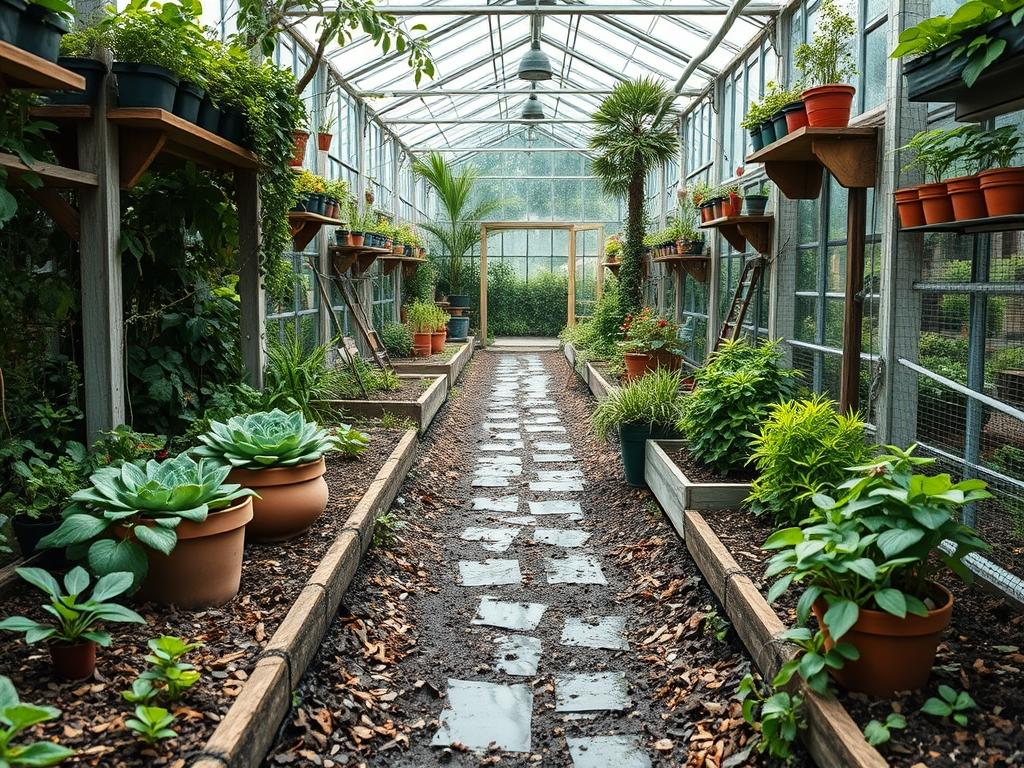
The art of professional landscaping often hinges on the delicate balance between visibility and mystery. While wide, open lawns provide a sense of grandeur, the inclusion of hidden garden paths creates an emotional narrative within the outdoor environment. These concealed walkways do more than connect two points; they manage spatial flow, improve curb appeal by adding perceived depth, and establish private sanctuaries for homeowners. In modern landscape architecture, the goal is to transform a standard backyard into a multi layered experience. This requires careful consideration of climate, as local weather patterns dictate which species can thrive in the narrow, potentially shaded microclimates of a secret path. By integrating strategic foliage and elevation changes, designers can effectively double the functional square footage of a residential lot, making even small urban gardens feel expansive and exploratory.
Landscape Design Principles
To design an effective hidden garden path, one must master the principle of the “disappearing curve.” If a visitor can see the end of a walkway from the start, the sense of discovery is lost. Professional architects use visual weight and symmetry to guide the eye away from the path entrance, employing focal points like a Stone Bench or a Water Feature that only becomes visible once the user has transitioned through a leafy portal. Symmetry does not always mean a mirror image; rather, it refers to the equilibrium of mass. For instance, a heavy Retaining Wall on one side of a path can be balanced by a dense planting of Taxus baccata on the other.
Elevation plays a critical role in defining these secret nooks. By lowering the grade of a small circular area by just 12 inches, you create a sunken seating area that feels naturally secluded. Conversely, using a Transit Level to plan slight rises in a path can obscure the view of what lies ahead. Irrigation planning is equally vital. Hidden paths are often narrow, meaning overhead sprayers may cause erosion or soak the walkway. Drip irrigation systems hidden beneath 2 inches of Hardwood Mulch ensure that the enclosing foliage remains lush without creating slippery conditions on the path surface. Visual balance is maintained by layering plants of varying heights, from ground covers to mid-story shrubs and an overarching canopy.
Plant and Material Selection
The following table provides a selection of materials and vegetation suitable for creating enclosed, aesthetic path systems.
| Plant / Material | Sun Exposure | Soil Needs | Water Demand | Growth Speed | Maintenance Level |
| :— | :— | :— | :— | :— | :— |
| Buxus microphylla | Full Sun to Shade | Well-Drained | Moderate | Slow | Medium (Trimming) |
| Carex pensylvanica | Part Shade | Sandy/Loam | Low | Moderate | Low |
| Hydrangea quercifolia | Part Shade | Rich, Acidic | High | Moderate | Medium |
| Flagstone Pavers | N/A | Compacted Base | None | N/A | Low |
| Trachelospermum | Full Sun | Organic | Moderate | Fast | High (Training) |
| Decomposed Granite | N/A | Permeable | None | N/A | Moderate |
| Physocarpus | Full Sun | Adaptable | Low | Fast | Low |
Implementation Strategy
The successful construction of a hidden garden path begins with a comprehensive site analysis and grading plan. First, clear the intended route using a Square-Point Shovel and establish a rough grade that slopes away from residential structures to ensure proper drainage. A common professional standard involves excavating the path to a depth of 6 inches. Once the soil is level and compacted with a Plate Compactor, lay a layer of Non-woven Geotextile Fabric to prevent weed growth and keep the base material from migrating into the subsoil.
Next, install the hardscaping base. For a stable, long lasting walkway, add 4 inches of Crushed Limestone or 3/4-inch minus gravel. This base must be watered and compacted in two separate lifts to create a solid foundation. If using Flagstone or Fieldstone, set the stones with a gap of approximately 2 inches to allow for the planting of “steppables” like Thymus serpyllum. For the edging, Steel Edging or Treated Timber provides a crisp boundary that prevents the surrounding garden beds from spilling onto the path.
Finally, the secret nook itself should be framed with structural plants. Use Native Plants to ensure the nook thrives with minimal chemical intervention. Surround the destination area with a 3 inch layer of Organic Mulch to retain moisture for the perimeter shrubs. The entrance to the path can be subtly marked by two large Basalt Boulders or a narrow trellis covered in Clematis vitalba, which acts as a green door to the private space beyond.
Common Landscaping Failures
The most frequent error in path design is the neglect of drainage dynamics. When a path is carved into a slope without a French drain or swale, it becomes a seasonal stream, eroding the base material and damaging plant roots. Another common failure is root overcrowding. Designers often plant for immediate impact, forgetting that a 3 gallon shrub will eventually reach a 10 foot spread. This leads to impassable walkways and the need for aggressive, unsightly pruning.
Soil compaction is a silent killer in many hidden nook projects. During the construction of Retaining Walls or the hauling of Pavers, heavy foot traffic or equipment can crush the pore space in the soil. This prevents oxygen from reaching the roots of the very plants intended to provide privacy. Irrigation inefficiencies also plague these designs. If the drip lines are not zoned separately for the path-side plants, the homeowners may find themselves overwatering the main lawn just to keep the path foliage alive, leading to fungal issues and root rot in the more secluded, less ventilated areas of the garden.
Seasonal Maintenance
Spring is the primary season for structural integrity checks. Inspect all Retaining Walls for shifting caused by the freeze-thaw cycle and replenish Mulch to a consistent depth of 3 inches to suppress the first flush of spring weeds. This is also the time to apply a slow release fertilizer to the Native Plants that frame your secret nooks, ensuring vigorous growth before the heat of summer.
During the summer months, the focus shifts to irrigation management and pruning. Use a Hedge Trimmer to maintain the “tunneling” effect of your path, but be careful not to remove more than one third of the plant’s mass at once. Check moisture levels in the hidden nooks, as these areas often have different evaporation rates than the rest of the landscape.
Autumn requires the diligent removal of leaf litter from the path surface. Decomposing leaves can become slippery on Stone and can stain Decomposed Granite. This is also the ideal window for planting new perennials, allowing them to establish a root system in the cool soil. In winter, maintenance involves protecting delicate masonry from de-icing salts and performing dormant pruning on deciduous shrubs to improve their skeletal structure for the following year.
Professional Landscaping FAQ
How do I choose the right path material?
Select materials based on the desired “vibe” and local climate. Decomposed Granite offers a natural crunch underfoot, while Flagstone provides a formal, permanent feel. Ensure the material is permeable to prevent ponding and runoff issues during heavy rain.
Can I create a hidden path in a small yard?
Yes. Use tall, narrow plants like Columnar Juniper to create vertical screens without taking up much ground space. A winding path with sharp turns can make a small area feel significantly larger by obscuring the full view of the yard.
What is the best way to handle path lighting?
Avoid bright, overhead floodlights. Use low voltage LED Path Lights tucked into the foliage or Well Lights aimed at the base of trees. This creates a soft, ambient glow that maintains the mystery of the secret nook at night.
How do I prevent weeds from growing in the path?
Lay a high quality Geotextile Fabric beneath your base material. For the gaps between stones, use Polymeric Sand, which hardens when wet to create a barrier that prevents weed seeds from taking root in the joints while remaining flexible.
Should I use native plants for my secret nooks?
Absolutely. Native Plants are adapted to local soil and rainfall, requiring less maintenance and fewer pesticides. They also provide essential habitats for local pollinators, making your hidden garden a functional part of the local ecosystem.