
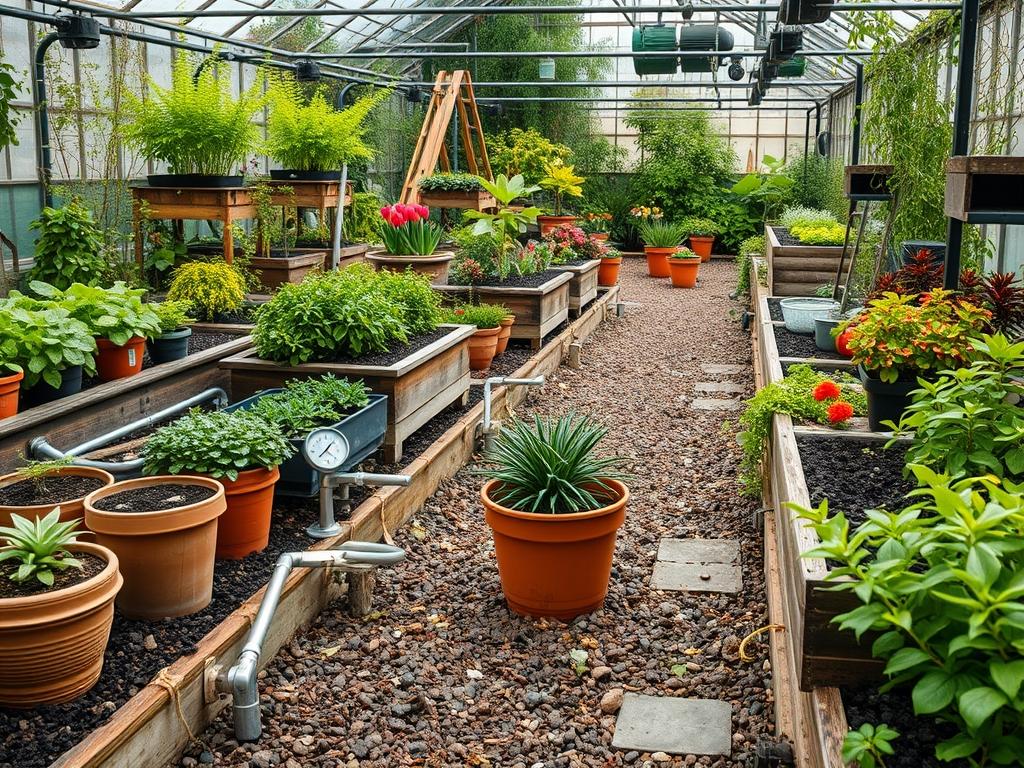
Selecting the perfect palette for your outdoor walkways requires a sophisticated understanding of how light, moisture, and architecture interact. When you evaluate Decorative Gravel Colors, you are not merely choosing a filler material for a trench; you are selecting a primary visual anchor that dictates the temperature and mood of your entire landscape. A poorly chosen color can cause a path to disappear into the shadows or, conversely, create a glaring reflection that makes the garden uncomfortable during the heat of the day. As a consultant, I often see homeowners overlook the architectural style of their residence when selecting stone. A modern, minimalist home often demands the crisp, clean lines provided by Charcoal Slate or White Marble Chips, whereas a rustic cottage garden benefits from the warm, earthy tones of Honey Quartz or River Pebbles.
Climate considerations play a surprisingly large role in this selection process. In regions with persistent sunlight and high temperatures, dark stones like Basalt or Black Lava Rock act as thermal masses, absorbing heat and radiating it back toward your plants and the soles of your feet. Conversely, bright white or light grey aggregates can be blinding in the midday sun, creating an uncomfortable glare. The goal is to maximize curb appeal while maintaining outdoor functionality. A well planned path serves as a transition zone that guides the eye toward a focal point, such as a fountain or a specimen tree, while ensuring that the drainage profile of the property remains intact.
Landscape Design Principles
Effective landscape design is rooted in the concepts of symmetry and visual balance, ensuring that no single element overwhelms the environment. When planning a pathway, you must consider elevation layers. A flat path can look one dimensional if it is not framed by varying heights of vegetation or Retaining Walls. By using gravel that complements the color of these walls, you create a cohesive aesthetic that feels intentional rather than haphazard. Focal points should be used to break up long stretches of gravel, perhaps by incorporating a larger Flagstone Stepping Stone or a decorative urn every 10 feet.
Irrigation planning is an essential component of the design phase that must happen before the first bag of gravel is poured. Drip Irrigation Lines should be buried beneath the sub-base of the path to provide water to bordering plants without disturbing the surface aggregate. Walkways should be wide enough for two people to walk comfortably side by side, typically measuring at least 36 inches to 48 inches in width. This scale helps maintain a sense of proportion against the height of the house and the surrounding trees. By balancing the hardscape with soft, organic textures, you prevent the garden from feeling too industrial or sterile.
Plant and Material Selection
The following table outlines high performance plant species that pair exceptionally well with gravel pathways, providing texture and color contrast without requiring excessive maintenance.
| Plant Type | Sun Exposure | Soil Needs | Water Demand | Growth Speed | Maintenance Level |
| :— | :— | :— | :— | :— | :— |
| English Lavender | Full Sun | Well-drained | Low | Moderate | Low |
| Japanese Forest Grass | Partial Shade | Humus-rich | Medium | Slow | Medium |
| Creeping Thyme | Full Sun | Sandy/Rocky | Low | Fast | Low |
| Dwarf Boxwood | Full to Partial Sun | Loamy | Medium | Slow | Moderate |
| Blue Fescue | Full Sun | Poor to Average | Low | Moderate | Low |
| Stonecrop Sedum | Full Sun | Dry/Gravelly | Very Low | Moderate | Low |
Implementation Strategy
The successful installation of a gravel path begins with rigorous grading. You must ensure that the ground slopes away from the foundation of your home at a rate of at least 1 inch for every 4 feet of distance. This prevents water from pooling against the house and protects the structural integrity of the walkway. Once the area is excavated to a depth of approximately 4 inches, a layer of Landscape Fabric should be installed. This permeable geotextile allows water to pass through into the earth while preventing the gravel from mixing with the soil below, which is the primary cause of path destabilization.
Next, install a sturdy Edging material to contain the gravel and prevent it from migrating into your lawn or flower beds. Options include Heavy-gauge Steel Edging, Pressure-treated Timbers, or Natural Stone Pavers. Once the edges are secure, apply a 2 inch layer of Crushed Limestone or a similar sub-base material and compact it using a Plate Compactor. This creates a firm foundation that prevents the decorative top layer from shifting underfoot. Finally, spread your chosen Decorative Gravel Colors to a depth of 2 inches. Using a Metal Rake, level the surface to ensure a smooth walking experience.
Common Landscaping Failures
The most frequent error in gravel path construction is the failure to address drainage properly. If the path sits in a low spot without a clear exit for runoff, it will quickly become a muddy slurry during the rainy season. Another common mistake is root overcrowding. When planting along the borders of a path, many gardeners forget the mature spread of the species. Over time, roots can heave the Edging or grow into the gravel layer, making weeding significantly more difficult.
Improper spacing and thin mulch layers also lead to dissatisfaction. If the gravel is spread too thinly, the Landscape Fabric will become visible, detracting from the professional finish. Conversely, if the gravel is deeper than 3 inches, it becomes difficult to walk through, feeling more like loose sand than a stable path. Soil compaction is another silent killer of landscape health. If the areas surrounding the path are compacted by heavy machinery during construction, oxygen cannot reach the roots of bordering plants, leading to stunted growth or death. Always use an Aerator on the surrounding soil once the heavy lifting is complete.
Seasonal Maintenance
Seasonal management ensures that your gravel path remains a highlight of your property year round. In the spring, your focus should be on topping up any areas where the gravel has settled or shifted during the winter. This is also the time to check Irrigation Lines for leaks before the summer heat arrives. Use a Leaf Blower on a low setting to remove organic debris that may have collected in the crevices of the stones, as decaying leaves can provide a medium for weed seeds to germinate.
During the summer, weeds that have managed to find a foothold should be hand pulled or treated with a vinegar based spray to avoid contaminating the soil with harsh chemicals. If your Decorative Gravel Colors appear dull due to dust, a quick rinse with a Garden Hose can restore their natural luster. In the autumn, the primary task is leaf management. Unchecked leaf litter will break down into soil among the stones, inviting more weeds next year. Finally, in the winter, avoid using rock salt on your gravel paths if they are bordered by sensitive plants. Instead, use a small amount of Coarse Sand for traction, and check your Retaining Walls for signs of frost heave or erosion.
Professional Landscaping FAQ
How much gravel do I need for a standard garden path?
To determine the volume, multiply the length by the width and the desired depth of 2 inches. For a path that is 50 feet long and 3 feet wide, you will generally require approximately 1 cubic yard of material.
Can I lay decorative gravel directly on top of the soil?
This is not recommended. Without a Landscape Fabric barrier and a compacted sub-base, the gravel will quickly sink into the dirt. This results in a muddy, uneven surface that is difficult to maintain and aesthetically unappealing over time.
What is the best gravel size for comfortable walking?
For the most stable walking surface, choose a size between 1/4 inch and 5/8 inch. Smaller stones like Pea Gravel provide a softer feel, while larger stones may shift too much under the weight of a footstep.
How do I prevent my gravel color from fading?
Most natural stones like Granite or Quartz have permanent colors that will not fade. However, some porous stones may darken over time due to moisture. Regularly rinsing the path with a Pressure Washer on a low setting helps maintain vibrancy.
Is gravel a good choice for high traffic areas?
Yes, provided it is installed with proper Edging and a compacted base. For very high traffic areas, consider using Stabilized Gravel, which involves a resin binder that locks the stones together while maintaining a permeable, natural look.