
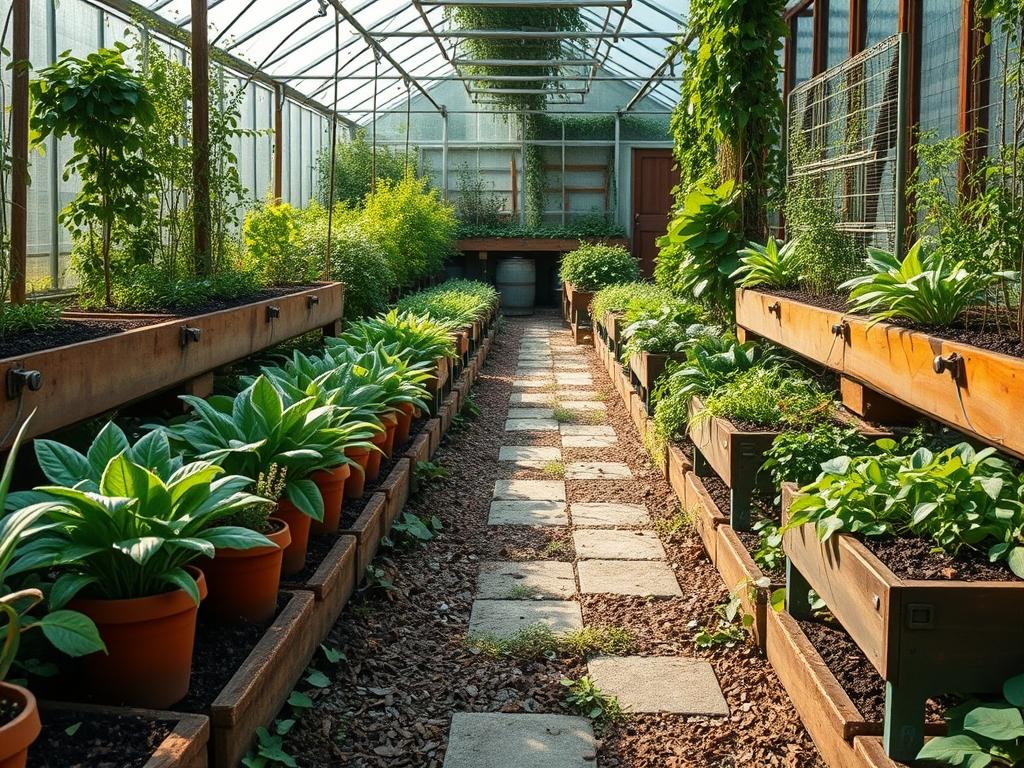
Designing a functional landscape within a restricted corridor requires a departure from traditional broad-scale gardening. When property lines or architectural footprints leave only a few feet of usable width, the environment becomes a high-pressure zone where Every square inch must serve a dual purpose. Narrow Walkway Styling is not merely an aesthetic choice; it is an exercise in spatial efficiency and civil engineering. These passages often act as wind tunnels or deep-shade traps, creating microclimates that differ significantly from the open backyard. To succeed, a designer must balance the practical necessity of a clear walking path with the psychological need for beauty and texture. A poorly planned walkway feels like a claustrophobic alley, while a professionally styled one feels like a curated gallery of botanical and structural elements.
The primary goal of any narrow transition is to manage the flow of movement while ensuring the structural integrity of the home and adjacent boundaries. Modern landscaping focuses heavily on curb appeal, yet the side yard or the entry path often dictates the first impression of a property’s maintenance level. We must address drainage immediately. Because these spaces are often confined by walls or fences, water shedding becomes a critical risk. If the grade is not meticulously calculated, moisture will pool against the foundation or undermine the stability of the Hardscaping. Effective transit design incorporates specific materials that can withstand high traffic while providing the visual “stretching” effect needed to make a 3 foot wide path feel like a spacious thoroughfare.
Landscape Design Principles
The psychology of Narrow Walkway Styling relies heavily on the concept of forced perspective and rhythm. Symmetry is a traditional tool, but in a very tight space, perfect bilateral symmetry can feel repetitive and stifling. Instead, we often employ asymmetrical balance. This involves placing a tall, columnar focal point, such as a Sky Rocket Juniper, on one side while balancing it with a cluster of lower, textured plants like Japanese Forest Grass on the other. This pushes the eye horizontally, tricking the brain into perceiving more width than actually exists.
Elevation layers are equally vital. By utilizing Retaining Walls that stand only 6 to 12 inches high, you create a sense of depth that a flat bed cannot provide. These raised elements also protect plants from being stepped on in high-traffic zones. When planning the walkway itself, the choice of material dictates the speed of movement. Large Flagstone Pavers with tight joints encourage a faster pace, whereas stepping stones set in Decomposed Granite invite a slower, more intentional stroll.
Irrigation planning must be invisible and precise. In narrow corridors, standard spray heads are inefficient and often lead to overspray on windows or fences, causing rot and mineral staining. A Drip Irrigation System buried beneath the Landscape Fabric and Mulch is the professional standard. It delivers water directly to the root zone, minimizing waste and preventing the fungal issues that thrive in the stagnant air of narrow side yards. Visual balance is finally achieved through the consistent use of color. A monochromatic palette with varying leaf textures prevents the space from looking cluttered or busy.
Plant and Material Selection
| Plant Type | Sun Exposure | Soil Needs | Water Demand | Growth Speed | Maintenance Level |
| :— | :— | :— | :— | :— | :— |
| Sky Rocket Juniper | Full Sun | Well-drained | Low | Moderate | Low |
| Liriope Muscari | Part Shade | Loamy | Medium | Fast | Low |
| Japanese Forest Grass | Shade | Moist, Rich | High | Slow | Medium |
| Boxwood ‘Green Mountain’ | Full to Part Sun | Neutral pH | Medium | Slow | Moderate |
| Creeping Thyme | Full Sun | Sandy/Rocky | Low | Fast | Low |
| Star Jasmine | Full to Part Sun | Fertile | Medium | Fast | High (Pruning) |
| Heuchera (Coral Bells) | Shade | Well-drained | Medium | Moderate | Low |
Implementation Strategy
The execution of a Narrow Walkway Styling project begins with a comprehensive site survey and the identification of underground utilities. Once the area is cleared, we establish the subgrade. For a stable path, you must excavate at least 6 inches deep to accommodate a 4 inch base of Crushed Limestone or 3/4-inch Minus Gravel. This base must be compacted with a Plate Compactor to prevent future settling or dipping, which creates trip hazards.
Drainage is the next priority. In many narrow designs, we install a French Drain parallel to the path. This consists of a perforated pipe surrounded by River Rock, wrapped in geofabric to filter out silt. This system ensures that heavy rainfall is channeled away from the residence. Once the drainage and base are set, we install the edging. Steel Edging or Aluminum Landscape Edging is preferred over plastic because it provides a crisp, permanent line that does not heave during freeze-thaw cycles.
When laying the Pavers or stones, maintain a consistent gap of no more than 1/2 inch if using Polymeric Sand to lock the joints. This sand prevents weed growth and ant hills, maintaining a clean look for years. For the planting phase, we apply a 2 inch layer of Premium Hardwood Mulch. Mulch should never touch the stems of the plants or the siding of the house; a 3 inch buffer zone is necessary to prevent pests and rot. Finally, if the walkway serves as a primary entrance, integrated LED Path Lighting should be installed during the trenching phase to ensure safety and highlight the vertical textures of the greenery.
Common Landscaping Failures
One of the most frequent errors in Narrow Walkway Styling is the failure to account for the mature width of plants. A Boxwood might look perfect in a 3 gallon nursery pot, but if its variety reaches a 4 foot spread, it will eventually obstruct the path. This leads to heavy pruning that ruins the natural shape of the shrub. Root overcrowding is another silent killer. When trees or large shrubs are squeezed into narrow strips, their roots can lift Concrete Pavers or crack the footings of nearby walls.
Soil compaction is often overlooked. Because narrow areas are frequently used during construction or home maintenance, the soil becomes packed tight, stripped of the oxygen necessary for root health. Failure to incorporate Organic Compost or Expanded Shale before planting results in stunted growth and eventual plant death. Furthermore, ignoring the “rain shadow” effect of overhanging eaves can lead to irrigation failure. Plants located directly under the roofline may receive no natural rainfall even during a storm, requiring a dedicated Drip Line to survive. Finally, using rounded Pea Gravel as a primary walking surface is a common mistake. These small, round stones act like ball bearings underfoot, making the walkway unstable and difficult for elderly guests or those with mobility aids.
Seasonal Maintenance
Spring is the season for structural assessment and rejuvenation. Once the ground thaws, check the level of your Pavers. If any have shifted, lift them and add a small amount of Leveling Sand before re-compacting. This is also the time to apply a pre-emergent herbicide to the mulch beds and refresh the Mulch to a depth of 2 inches. Prune any winter-damaged foliage on Evergreens to encourage fresh growth.
Summer maintenance focuses on water management and deadheading. During heat waves, monitor the Drip Irrigation system for leaks or clogged emitters. If you have chosen high-performing perennials like Liriope, trim back spent flower spikes to maintain a clean appearance. Autumn requires the removal of fallen leaves, which can become slippery on a stone path and trap moisture against the crowns of your plants, leading to rot. This is also the ideal window for planting bulbs that will provide early spring color without taking up permanent horizontal space.
Winter is about protection. In colder climates, avoid using rock salt on your walkway. The sodium chloride will leach into the narrow planting beds and kill your vegetation. Instead, use sand or a calcium magnesium acetate product. If you have vertical elements like Star Jasmine on a trellis, ensure the structure is secure against winter winds. Professional Narrow Walkway Styling is a year-round commitment to precision, ensuring the transition space remains both a safe passage and a visual asset to the property.
Professional Landscaping FAQ
How wide should a narrow walkway actually be?
A functional walkway should be at least 36 inches wide. This allows a single person to walk comfortably without brushing against foliage. If the space requires two people to pass, aim for 48 inches to accommodate movement safely.
What is the best mulch for narrow spaces?
Use a double-shredded Hardwood Mulch. It knits together effectively, preventing it from washing onto the walkway during heavy rain. Avoid light materials like pine bark nuggets, which float away and create a mess in confined areas.
Can I use large trees in a narrow side yard?
Only use “fastigiate” or columnar varieties. Species like the Italian Cypress or Slender Silhouette Sweetgum provide height without width. Avoid traditional spreading trees, as their root systems and canopies will eventually damage the surrounding structures.
How do I prevent weeds between my pavers?
The most effective method is using Polymeric Sand in the joints. When activated with water, it hardens into a flexible bond that resists weed seeds and erosion. Maintain the integrity of the sand by sweeping it clean of organic debris.
Is landscape fabric necessary under the stones?
Yes, a high-quality, non-woven Geotextile Fabric is essential. It prevents the stone base from sinking into the native soil while allowing water to drain. This separation is the key to preventing the path from becoming uneven over time.