
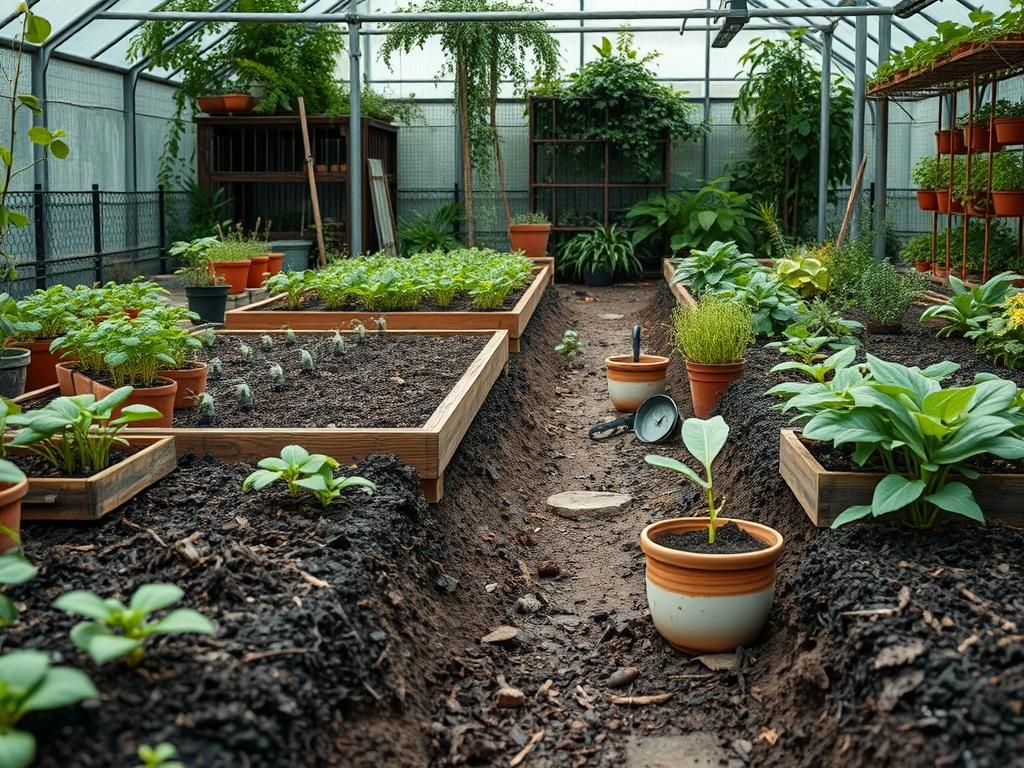
The foundation of a high performance landscape resides not in the aesthetic of the foliage, but within the biological complexity of the earth beneath it. Professional property developers and homeowners often prioritize immediate curb appeal through high impact plantings, yet they frequently overlook the fundamental substrate that sustains these investments. Organic soil enrichment serves as the primary mechanism for transforming lifeless dirt into a thriving ecosystem. When we approach a site, we must account for local climate variables, such as humidity levels and temperature fluctuations, which dictate the rate of organic matter decomposition. A landscape that ignores soil health will eventually experience stunted growth, nutrient leaching, and increased susceptibility to pathogens. By focusing on the structural and nutritional integrity of the ground, we ensure that outdoor living spaces remain functional, vibrant, and resilient for decades.
Landscape Design Principles
Successful landscape architecture relies on the integration of form and function, starting with the principle of symmetry and balance. In a professional layout, plants are positioned to lead the eye toward focal points, such as an architectural feature or a formal entrance. However, visual balance is impossible to maintain if the soil quality is inconsistent across the site. If one section of a Boxwood hedge thrives while another withers, the entire geometric intent is lost. This is why soil uniformity through organic enrichment is a design necessity rather than a secondary concern. We also utilize elevation layers to add depth and interest. This requires careful grading to ensure that water moves away from structures while slowly infiltrating planting beds.
Strategic irrigation planning is another pillar of professional design. Modern landscapes utilize low volume drip systems that deliver water directly to the root zone, reducing surface evaporation. These systems perform best in soil that has been amended with sphagnum peat moss or shredded leaf mold, which increases the water holding capacity of the medium. Furthermore, we design walkways and hardscaped paths to minimize soil compaction in planting areas. By directing foot traffic along defined routes made of natural stone or permeable pavers, we protect the delicate pore spaces in the soil that allow for gas exchange and root expansion. A balanced landscape is a living system where the hardscape and the biology work in tandem to create a harmonious outdoor environment.
Plant and Material Selection
| Plant Type | Sun Exposure | Soil Needs | Water Demand | Growth Speed | Maintenance Level |
| :— | :— | :— | :— | :— | :— |
| Eastern Red Cedar | Full Sun | Well Drained | Low | Moderate | Low |
| Oakleaf Hydrangea | Partial Shade | Rich Organic | Moderate | Moderate | Medium |
| Purple Coneflower | Full Sun | Loamy/Sand | Low | Fast | Low |
| Japanese Maple | Filtered Sun | Slightly Acidic | Moderate | Slow | High |
| Creeping Thyme | Full Sun | Gritty/Lean | Low | Moderate | Low |
| Hostas | Deep Shade | Humus Rich | High | Fast | Medium |
Implementation Strategy
The process of organic soil enrichment begins with a comprehensive site analysis and grading plan. Before any specimen is placed in the ground, a spade or soil probe should be used to extract samples for laboratory testing. This reveals the pH levels and nutrient deficiencies that must be addressed. Once the results are in, the grading process begins. We shape the land to prevent pooling, ensuring that the finished grade sits approximately 2 inches below the level of adjacent walkways to accommodate future mulch applications.
After moving the earth into the desired contours, we implement a layering strategy. This often involves the application of a 3 inch layer of well rotted compost or aged manure over the entire planting area. For larger scale projects, a rototiller may be used to incorporate this material into the top 8 inches of the native soil, though many architects now prefer the “no till” method to preserve existing fungal networks. Edging is then installed using steel edging or pressure treated timber to create a crisp boundary between the turf and the enriched beds. This prevents grass from encroaching on the nutrient dense soil intended for ornamental plants. Finally, a layer of hardwood mulch or pine bark is spread at a depth of 3 inches to suppress weeds and regulate soil temperature. This organic barrier eventually breaks down, contributing even more carbon to the soil profiles over time.
Common Landscaping Mistakes
One of the most frequent errors in garden planning is the failure to address drainage before enrichment. Adding organic matter to a low spot without proper drainage creates a “bathtub effect,” where water collects and rots the root systems of expensive nursery stock. It is essential to install French drains or catch basins in areas where heavy rains lead to saturation. Another common oversight is root overcrowding. Designers often place plants too close together to achieve an “instant” full look, failing to realize that as these plants mature, they compete for the very organic nutrients we have worked so hard to provide.
Improper spacing leads to poor airflow, which invites fungal diseases like powdery mildew. Furthermore, soil compaction remains a silent killer in residential landscapes. When heavy machinery is used during construction, the weight crushes the soil structure, making it impenetrable for roots and water alike. If compaction is not remedied with a plug aerator or a broadfork, no amount of organic top dressing will save the landscape. Lastly, irrigation inefficiencies often stem from a lack of sensor based controllers. Overwatering can leach organic nutrients out of the root zone and into the groundwater, wasting resources and starving the plants of the minerals they need for photosynthesis.
Seasonal Maintenance
Spring is the season of renewal and the ideal time for an annual soil boost. As the ground thaws, landscape managers should apply a fresh 1 inch layer of compost and a balanced organic fertilizer such as bone meal or fish emulsion. This provides the nitrogen and phosphorus required for the early growth spurt. This is also the time to inspect irrigation lines for leaks and to clean out any debris from drainage grates.
During the summer, the focus shifts to moisture retention. As temperatures rise, the organic matter in the soil begins to oxidize more rapidly. Maintaining a consistent mulch layer is critical during this period. We recommend checking soil moisture levels at a depth of 4 inches using a moisture meter to ensure that deep roots are receiving adequate hydration. Forgo heavy fertilization in the heat of July, as this can stress the plants and cause salt buildup if the water supply is insufficient.
Autumn is the most important season for long term soil enrichment. This is the period for the “chop and drop” method, where spent perennials are cut back and left to decompose in situ, or shredded leaves are used as a free source of carbon. Applying a subterranean layer of kelp meal in the fall helps build root resilience against the coming freeze.
Winter maintenance is largely passive but involves protecting the soil from erosion. In areas with high wind or heavy snow, cover crops or a thick layer of straw can prevent the topsoil from washing away. Avoid using salt based deicers on paths adjacent to planting beds, as the sodium can destroy the soil structure and kill the beneficial microbes that facilitate organic soil enrichment.
Professional Landscaping FAQ
How often should I test my soil?
A professional soil test should be conducted every 3 years. This frequency allows you to monitor the impact of your organic amendments and adjust the pH levels before nutrient imbalances affect the health of your ornamental specimens or turf.
What is the best way to fix clay soil?
Incorporate large quantities of coarse organic matter like wood chips or composted leaves. Avoid adding sand, as this can create a concrete like texture. The goal is to introduce air pockets and improve the overall drainage through biological activity.
Can I use fresh grass clippings as mulch?
Only if the lawn has not been treated with chemical herbicides. Spread the clippings in thin layers, no more than 1 inch thick, to prevent them from matting together and blocking moisture. They provide an excellent, fast acting source of nitrogen.
How deep should my planting beds be?
For most shrubs and perennials, an enriched soil depth of 12 to 18 inches is ideal. This depth provides a sufficient volume of nutrient dense medium for root expansion while ensuring that the plants remain stable during high wind events.
Does organic enrichment replace the need for fertilizer?
Over time, yes. High quality organic matter fosters a robust soil food web where microbes recycle nutrients naturally. While supplemental organic fertilizers may be needed initially, a mature, enriched system often becomes self sustaining through natural decomposition cycles.