
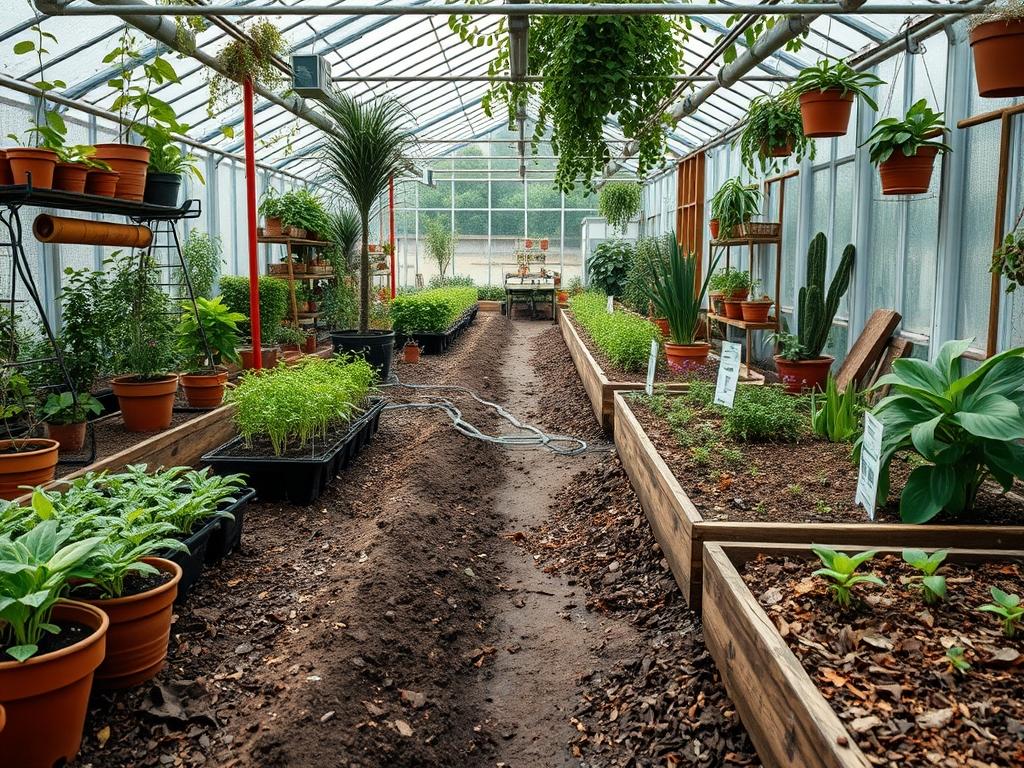
Modern landscape architecture often treats the private garden as a secluded island, yet the most successful ecological designs recognize that every yard is a vital link in a much larger chain. Urbanization has fragmented natural habitats into isolated pockets, making it difficult for local fauna to forage, mate, or migrate. As consultants, we view the creation of wildlife corridors not as a sacrifice of aesthetic value, but as an elevation of it. These connected green spaces bridge the gap between manicured curb appeal and biological functionality. A well planned corridor addresses the immediate challenges of local climate and soil conditions while serving a higher purpose. It provides a seamless transition between human living spaces and the natural world, ensuring that your property contributes to the resilience of the regional ecosystem. Designing with connectivity in mind requires a shift in perspective. Instead of focusing solely on the center of the lawn, we focus on the edges and the vertical layers. By integrating these elements, we create a landscape that is both high performing and visually stunning, providing a sense of place that resonates with the rhythms of the local environment.
Landscape Design Principles
Effective wildlife corridors are built on the foundation of structured complexity. This begins with the principle of elevation layers, which mimics the natural transition from the forest floor to the canopy. In a professional layout, this is achieved by planting a sequence of groundcovers, mid-story shrubs, and over-story trees. This layering provides diverse niches for different species while creating a sense of privacy and enclosure for the homeowner. Symmetry should be balanced with organic flow; while a formal garden might rely on rigid lines, a corridor often utilizes sweeping curves to guide the eye and the movement of wildlife. These pathways should be anchored by focal points, such as a bird bath or a strategically placed limestone boulder, which serve both as aesthetic anchors and functional resources.
Irrigation planning is another critical principle. Rather than a uniform spray pattern, we design zones that account for the specific needs of habitat clusters. Drip irrigation systems are often preferred for their ability to deliver water precisely to the root zone, reducing waste and minimizing the growth of opportunistic weeds. Walkways should be designed using permeable materials like decomposed granite or spaced flagstone to allow for natural drainage and better soil health. Visual balance is maintained by grouping plants in odd numbers and using a cohesive color palette that reflects the local flora. When these principles are applied, the garden does not look wild or untuned. Instead, it appears as a sophisticated, intentional environment where every retaining wall and native hedge serves a dual purpose of structure and support.
Plant and Material Selection
| Plant Type | Sun Exposure | Soil Needs | Water Demand | Growth Speed | Maintenance Level |
| :— | :— | :— | :— | :— | :— |
| Serviceberry (Amelanchier) | Full Sun to Part Shade | Well drained, acidic | Moderate | Moderate | Low |
| Little Bluestem (Grass) | Full Sun | Poor to average | Low | Fast | Minimal |
| White Oak (Quercus alba) | Full Sun | Deep, moist, loamy | Moderate | Slow | Low |
| Native Azalea | Filtered Shade | Rich, acidic, organic | High | Moderate | Medium |
| Coneflower (Echinacea) | Full Sun | Well drained, sandy | Low | Fast | Low |
| Winterberry (Ilex) | Full Sun to Part Shade | Moist, acidic | High | Moderate | Medium |
Selecting the right hardscape materials is just as important as the flora. We recommend natural cedar mulch to suppress weeds and retain moisture, as it breaks down into a rich organic layer that supports soil microbes. Avoid dyed mulches which can contain harmful chemicals. For structural elements, weathered fieldstone or retaining wall blocks made of natural materials provide crevices for beneficial insects and small reptiles. When choosing hardware, specify stainless steel landscape staples for securing erosion control blankets and heavy duty edging to maintain clean lines between the corridor and the formal lawn.
Implementation Strategy
The implementation of a wildlife corridor begins with a thorough site analysis and grading plan. Professional installation must prioritize drainage to prevent standing water from damaging root systems or creating mosquito breeding grounds. Start by mapping out the transitions between your property and your neighbors’ land. If there is a natural woodland or park nearby, aim your corridor in that direction. Once the path is defined, clear the area of invasive species using a mechanical sod cutter or manual spades.
Next, address the soil structure. Overly compacted soil is a common barrier to healthy growth. Use a power tiller or broadfork to aerate the ground before incorporating compost or leaf mold to a depth of 6 inches. Following soil preparation, install your drainage solutions. French drains or bioswales can be integrated into the corridor to manage heavy rainfall while creating a seasonally moist habitat. When placing plants, follow the grouping strategy discussed earlier, ensuring that you leave enough space for each specimen to reach its mature width. Apply a layer of wood chips or shredded bark at least 3 inches deep across the entire corridor area to insulate the soil. Finally, install landscape lighting with low voltage LED fixtures using warm tones; this ensures the garden remains functional at night without disrupting the circadian rhythms of nocturnal species.
Common Landscaping Failures
The most frequent error in corridor design is improper drainage. When water pools near the foundation of a retaining wall or at the base of a mature oak, it leads to root rot and structural instability. Another common failure is root overcrowding. Ambitious gardeners often plant too many large species in a small area, resulting in competition for nutrients and stunted growth. It is essential to respect the spacing requirements listed on professional nursery tags.
Soil compaction during the construction phase is also a major silent killer of landscapes. Heavy machinery can press the life out of the earth, leaving it as hard as concrete. If compaction has occurred, it must be remediated before planting. Additionally, many homeowners fail to account for irrigation inefficiencies. Over watering native plants can be just as damaging as under watering them, as many regional species are adapted to specific wet and dry cycles. Finally, avoid the mistake of using “monocultures.” A corridor composed of only one type of shrub is vulnerable to pests and diseases. Diversity is the primary safeguard of a resilient landscape.
Seasonal Maintenance
Seasonal care ensures the longevity of the corridor and maintains its aesthetic appeal throughout the year. In the Spring, focus on cleanup and replenishing organic matter. Use pruning shears to remove winter kill from shrubs and perennials, but wait until temperatures are consistently above 50 degrees Fahrenheit to avoid disturbing hibernating pollinators. Apply a fresh layer of mulch to keep the soil cool and moist as the weather warms.
During the Summer, the priority is water management. Monitor the drip emitters for clogs and adjust the irrigation timer based on rainfall levels. This is the time to manage aggressive weeds before they go to seed. In the Autumn, resist the urge to perform a “deep clean.” Leave fallen leaves in the corridor beds; they provide essential winter cover for wildlife. You can use a leaf blower on a low setting to move debris from walkways back into the planting zones. Winter maintenance is largely observational. Check for signs of deer damage and use burlap wraps or wire cages to protect young trees if necessary. Avoid using harsh de-icing salts near the corridor, as the runoff can “burn” the soil and kill sensitive native roots.
Professional Landscaping FAQ
How wide should a wildlife corridor be in a residential setting?
Ideally, aim for a minimum of 5 to 8 feet in width. This provides enough space for layered plantings of various heights, which creates the “edge effect” necessary for protective cover and foraging opportunities for local fauna.
Can I use non native plants in my corridor?
While natives are preferred for their ecological benefits, well behaved non natives can provide supplemental nectar or structural variety. However, always avoid invasive species that might escape into nearby wild areas and disrupt the local biological balance.
How do I handle drainage in a narrow corridor space?
Install a dry creek bed using river rock and cobblestone. This manages runoff aesthetically and prevents erosion during heavy rain, while the voids between stones provide habitat for beneficial insects and ground dwelling species.
Does a wildlife garden look messy for curb appeal?
Not if you use intentional design. Use steel edging to create crisp borders and keep taller grasses contained. Integrating traditional landscape elements like stone benches or ornamental gates signals that the space is a purposeful, managed habitat.
Will a corridor attract unwanted pests near my home?
By creating a balanced ecosystem, you actually encourage predatory species like birds and ladybugs that control pests naturally. Keep the corridor a few feet away from the home foundation to prevent moisture or insect issues near the structure.