
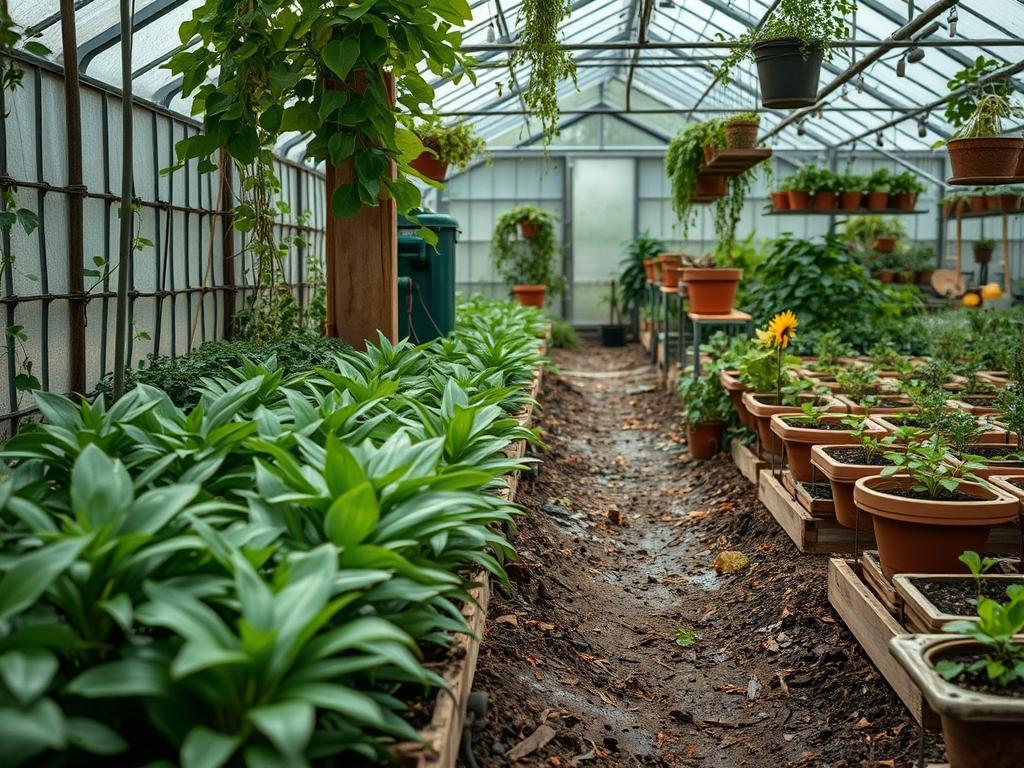
Mastering the art of sustainable landscaping requires a sophisticated bridge between biological needs and shifting environmental variables. Professionals understand that a static watering schedule is often the greatest enemy of a thriving ecosystem. Weather-linked watering represents an evolutionary shift from simple timers to responsive, data-driven management. It ensures that curb appeal remains high while water waste is minimized. To design an effective outdoor environment, one must consider how local micro-climates, soil structures, and topography interact with daily atmospheric changes. This approach preserves the health of the flora and also protects the structural integrity of hardscaping, such as retaining walls and walkways, which can be compromised by excessive runoff or soil expansion.
Designers often face the challenge of creating a space that feels lush without being ecologically irresponsible. By integrating a watering schedule that mirrors the actual moisture loss of the environment, known as evapotranspiration, a landscape reaches its full functional potential. This requires a deep understanding of site specific variables including solar orientation, wind exposure, and the seasonal migrations of light and shadow. A well planned landscape does not merely survive the summer heat; it utilizes technology to thrive during it. The goal is to create a seamless landscape that serves as an extension of the home, providing a sanctuary that is both beautiful and resilient.
Landscape Design Principles
Successful landscape design begins with a rigorous analysis of spatial balance and biological requirements. Symmetry and focal points help guide the eye, but they also dictate the infrastructure of irrigation. When a Japanese Maple is placed as a focal point, its positioning relative to water sources and wind breaks determines its long term vitality. Symmetry in planting often requires symmetrical irrigation coverage to ensure that one side of a formal entrance does not outpace the other in growth or color intensity. Visual balance is maintained not just through pruning, but through the consistent application of nutrients and water delivered via a weather-aware system.
Elevation layers are another critical design principle. By utilizing tiered planting, architects can create depth and interest while naturally managing water flow. Low lying areas naturally collect moisture, while higher elevations or berms dry out more rapidly. In a weather-linked system, these zones are managed independently. A smart controller can be programmed to account for the fact that a high elevation Boxwood hedge requires more frequent, shorter cycles than a bed of Hostas located in a shaded, lower drainage basin. This prevents the common issue of drowning plants at the bottom of a slope while starving those at the peak.
Hydrozoning is perhaps the most vital principle for any weather-linked schedule. This involves grouping plants with similar water needs into specific irrigation zones. By separating native plants that thrive on rainfall from high maintenance ornamental species, the system can bypass zones that do not require additional hydration after a storm. This strategic mapping involves analyzing the soil percolation rates and ensuring that walkways and other impervious surfaces do not cause localized flooding or dry spots by blocking the path of water.
Plant and Material Selection
Selecting the right biological and structural components is essential for a landscape that responds well to weather-linked management. The following table outlines several common selections used in professionally designed environments.
| Plant Type | Sun Exposure | Soil Needs | Water Demand | Growth Speed | Maintenance Level |
| :— | :— | :— | :— | :— | :— |
| Lavandula angustifolia | Full Sun | Well-drained | Low | Moderate | Low |
| Acer palmatum | Partial Shade | Loamy, acidic | Moderate | Slow | Medium |
| Pennisetum alopecuroides | Full Sun | Adaptable | Low | Fast | Low |
| Hydrangea macrophylla | Filtered Sun | Rich, moist | High | Moderate | Medium |
| Taxus baccata | Sun or Shade | Well-drained | Moderate | Slow | Low |
| Echinacea purpurea | Full Sun | Loamy | Low | Fast | Low |
| Buxus sempervirens | Full Sun/Shade | Loamy, moist | Moderate | Slow | Medium |
Beyond plant life, material selection plays a massive role in moisture retention. Using organic mulch or shredded bark at a depth of 3 inches helps insulate the soil against rapid evaporation. For hardscaping, using permeable pavers or crushed stone allows water to penetrate the ground rather than running off into the street, which supports the overall effectiveness of a weather-linked watering strategy.
Implementation Strategy
The transition to a weather-linked system starts with a comprehensive site assessment. Use a laser level or a transit to map the grading of the property. A standard recommendation for proper drainage is a 2% slope away from the home foundation. Once the grading is established, the irrigation layout must be designed with head-to-head coverage. This ensures that every inch of the landscape receives uniform water, preventing the brown spots that lead many homeowners to over-water the entire yard just to fix one dry patch.
Install a smart irrigation controller equipped with a Wi-Fi antenna and a local weather station or ET sensor. These devices pull data from local meteorological reports to calculate how much water has evaporated from the leaves and soil over the last 24 hours. The implementation of soil moisture probes buried at a depth of 6 inches provides a second layer of data, telling the controller exactly how much water is available at the root zone.
When laying out the garden, begin with the hardscaping. Install retaining walls to manage slopes and prevent erosion. These structures should include perforated drainage pipe and gravel backfill to prevent hydrostatic pressure from building up during heavy rains. Following the hardscaping, install the irrigation lines using Schedule 40 PVC for main lines and poly-tubing for drip zones. Drip irrigation is highly recommended for weather-linked systems as it delivers water directly to the base of the plant, reducing evaporation and preventing fungal diseases on the foliage.
Common Landscaping Failures
The most frequent mistake in landscape management is the “set it and forget it” mentality. Even the most advanced smart controller requires initial calibration based on soil type. If the system is unaware that it is watering clay soil, it may apply water faster than the ground can absorb it, leading to runoff and wasted resources. Soil compaction is another silent killer. When soil is compacted, oxygen cannot reach the roots, and water sits on the surface. Regularly aerating the lawn and incorporating organic matter into planting beds are essential steps to keep the soil porous.
Root overcrowding often happens when designers fail to account for the mature size of native plants. When plants are too close together, they compete for limited water and nutrients, making the weather-linked schedule less effective. Furthermore, improper spacing can hinder air circulation, which helps keep plants cool during peak summer heat. Finally, many systems fail because they lack a rain sensor. A weather-linked schedule must have a hard-wired bypass to shut off the valves immediately if a sudden downpour occurs, regardless of what the forecast predicted earlier in the day.
Seasonal Maintenance
Landscape management is a year-round process that requires adjustments as the seasons shift. In the spring, the focus is on system audits. Clean out nozzles and filters, check for leaks caused by winter freezes, and update the controller settings for the spring growth flush. As temperatures rise, the ET rates will increase, and the system should automatically scale its watering duration to match the demand.
During the summer, peak demand requires vigilance. Monitor the mulch levels and top them off if they have thinned, as this is the primary defense against soil baking. In autumn, the schedule should be significantly dialed back. Plants are entering dormancy and require much less water. This is the ideal time to plant new native shrubs, as the cooler weather and increased natural rainfall help roots establish without the stress of high heat.
Winter landscape management involves winterizing the irrigation system. Blow out the lines with an air compressor to prevent pipe bursts. While the system is off, use the time to review the data from the previous year. Identify which zones required the most manual intervention and consider adjusting the plant selection or irrigation hardware for the upcoming spring. This cycle of review and refinement is what separates a professional landscape from a hobbyist garden.
Professional Landscaping FAQ
What is the best time of day to water?
Automated systems should be programmed for the early morning, specifically between 4:00 AM and 8:00 AM. This timing reduces evaporation losses and allows foliage to dry before evening, which prevents the growth of mold and fungus.
How deep should I apply mulch for water retention?
A layer of 3 inches is the professional standard. This depth is sufficient to suppress weeds and retain soil moisture without suffocating the root systems of your plants or preventing oxygen exchange with the atmosphere.
Do weather-linked systems work in rainy climates?
Yes, they are highly effective. These systems use rain sensors and meteorological data to skip scheduled cycles during storms. This prevents over-saturation of the soil and saves significant costs on utility bills during wet seasons.
Can I retrofit an old irrigation system?
Most traditional systems can be upgraded with a smart controller and soil moisture sensors. You may also need to replace older spray heads with high-efficiency rotary nozzles to ensure the water is applied at a manageable rate.
What is hydrozoning in irrigation?
Hydrozoning is the practice of grouping plants by their specific water needs. By placing drought tolerant native plants in one zone and moisture loving perennials in another, the system applies the exact amount of water needed for each group.