
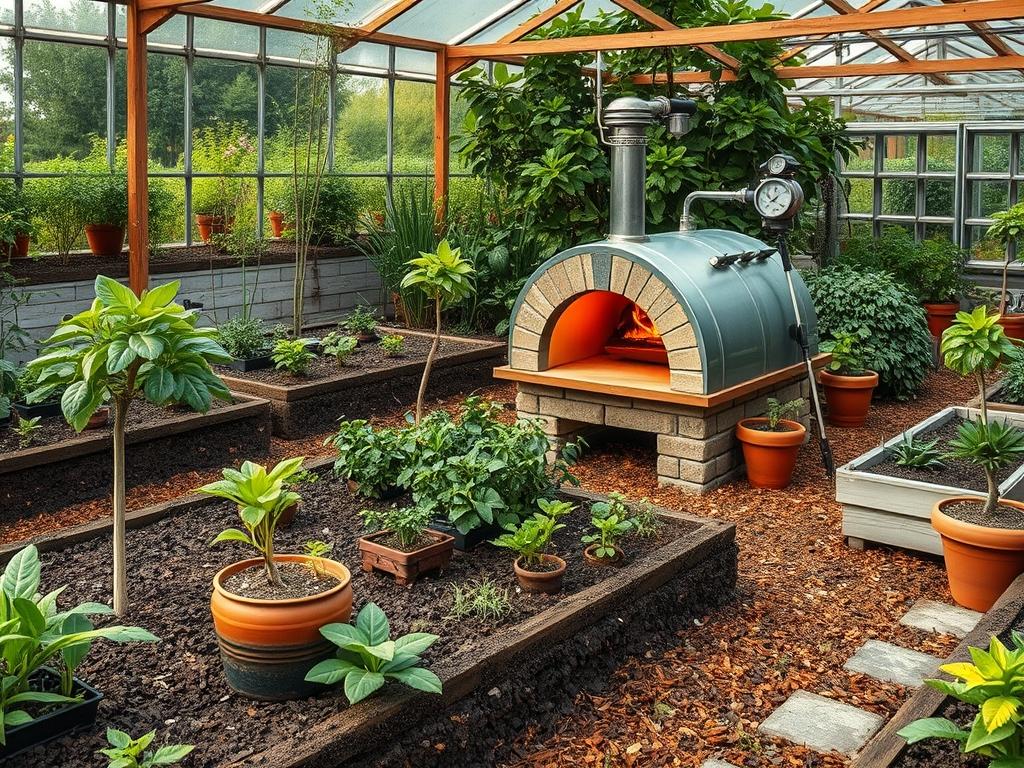
Integrating a wood fired oven into a residential landscape requires more than just a flat surface and a stack of wood. As a focal point for outdoor living, the pizza oven installation represents a convergence of culinary function and architectural form. Homeowners often underestimate the spatial requirements and thermal dynamics involved in placing a high heat appliance within a living ecosystem. A successful project balances the weight of the masonry with the softness of the surrounding flora, creating a transition that feels intentional rather than additive. Beyond the aesthetic appeal, one must consider prevailing wind patterns to ensure smoke does not inundate seating areas or neighboring windows. Site selection is the most critical first step. It involves analyzing the site for accessibility from the main kitchen and ensuring the ground can support a structure that frequently weighs several thousand pounds. Proper planning addresses the core components of comfort, safety, and durability, transforming a simple cooking tool into a permanent garden sanctuary.
Landscape Design Principles
When approaching a pizza oven installation, symmetry and visual balance dictate how the structure sits within the larger environment. A heavy masonry oven can easily overwhelm a small patio if not anchored by proportional elements. Use the concept of focal points to draw the eye toward the hearth, but balance that weight by placing tall plantings or a secondary structure, such as a pergola, on the opposite side of the space. Elevation layers are equally vital. Placing the oven on a slightly raised masonry plinth separates the cooking zone from the dining area, creating a natural theater for guests to watch the process. This shift in height also aids the chef by placing the oven floor at a comfortable working level, typically between 42 and 48 inches from the ground.
Walkway planning must prioritize safety and flow. The path between the indoor kitchen and the outdoor oven should be wide, unobstructed, and made of non slip materials. A minimum width of 36 inches is recommended for two people to pass comfortably. Irrigation planning requires sensitive handling. Traditional overhead sprinklers should never be aimed toward the oven, as thermal shock from cold water can crack hot firebricks or the exterior render. Instead, utilize drip irrigation systems hidden beneath several inches of mulch to keep the surrounding greenery hydrated without risking the integrity of the masonry. Finally, visual balance is achieved through texture. If the oven is finished in smooth stucco, surrounding it with textured fieldstone or coarse gravel provides a sophisticated contrast that grounds the installation.
Plant and Material Selection
The following selections have been curated for their resilience to the localized heat of an oven and their ability to complement the Mediterranean or rustic aesthetic commonly associated with outdoor hearths.
| Plant Type | Sun Exposure | Soil Needs | Water Demand | Growth Speed | Maintenance Level |
| :— | :— | :— | :— | :— | :— |
| Rosemary (Rosmarinus officinalis) | Full Sun | Well-drained, sandy | Low | Medium | Low |
| Lavender (Lavandula) | Full Sun | Gritty, alkaline | Low | Medium | Moderate (Pruning) |
| Italian Cypress (Cupressus sempervirens) | Full Sun | Versatile, well-drained | Moderate | Fast | Low |
| Creeping Thyme (Thymus praecox) | Full Sun | Loamy, well-drained | Low | Medium | Very Low |
| Olive Tree (Olea europaea) | Full Sun | Stony, well-drained | Low | Slow | Low |
| Dwarf Boxwood (Buxus) | Sun to Part Shade | Moist, fertile | Moderate | Slow | High (Shearing) |
Implementation Strategy
The implementation of a pizza oven installation begins with site grading and sub base preparation. Because of the concentrated weight of the oven, the soil must be excavated to a depth of at least 8 to 12 inches, depending on the local frost line. Fill this cavity with 3/4-inch Crushed Stone or Road Base, compacting it in 2-inch lifts using a Power Tamper. This prevents the structure from settling unevenly over time, which is the leading cause of structural cracking in DIY builds. Once the base is level, a reinforced 6-inch Concrete Pad should be poured.
Hardscaping around the oven should involve fire resistant materials. Flagstone, Pavers, or Decomposed Granite are excellent choices for the immediate perimeter. Ensure the grade slopes away from the oven base at a rate of 1/4 inch per foot to facilitate proper drainage and prevent hydrostatic pressure from building up against the foundation. For the surrounding garden beds, install Steel Edging or Stone Borders to keep the soil and mulch from migrating onto the cooking floor. Apply a 3-inch Layer of Cedar Mulch or Pine Bark to retain moisture for the plants, but keep organic mulch at least 24 inches away from any open flame or ash cleanout areas to mitigate fire risks.
Common Landscaping Failures
The most frequent error in pizza oven installation is improper drainage. When water pools at the base of a masonry structure, it can seep into the foundation and go through freeze-thaw cycles that eventually heave the entire unit. Designers must ensure that the surrounding land is contoured to direct runoff into a French Drain or a lower portion of the yard. Another common mistake is root overcrowding. Planting large canopy trees too close to the oven is a hazard. Not only do the roots threaten the foundation, but overhanging branches create a direct fire risk and can be damaged by the rising heat and smoke.
Soil compaction is an often overlooked failure. During the construction of the oven, heavy foot traffic and equipment can crush the soil structure around the site, leaving it nearly impossible for plants to thrive. It is essential to aerate the soil and add organic compost back into the beds once the heavy masonry work is finished. Lastly, irrigation inefficiencies occur when homeowners fail to adjust their zones for the heat of the oven. The area immediately surrounding the hearth becomes a microclimate that is significantly hotter and drier than the rest of the yard. Plants in this zone require more frequent, targeted watering than those in the shaded corners of the property.
Seasonal Maintenance
Spring is the time for structural inspections. Check the masonry for any hairline cracks that may have formed during the winter and fill them with appropriate Refractory Mortar. Clear any debris from the chimney flue and ensure that nearby plants are pruned back to maintain a 5 foot safety clearance. This is also the best time to apply a new layer of Mulch and fertilize the surrounding culinary herbs to prepare them for the summer harvest.
During the summer, the focus shifts to hydration and ash management. The high heat from frequent use can stress nearby foliage, so monitor the soil moisture daily. When cleaning out the oven, never dump hot ashes directly into garden beds or near flammable mulch. Use a Metal Ash Bucket and allow them to cool for 48 hours before disposal or light application as a soil amendment for acid loving plants. In autumn, clear fallen leaves away from the oven base to prevent moisture retention and fire hazards. Winter maintenance involves shielding the oven from the elements. Use a Breathable Weatherproof Cover to prevent snow and ice from entering the vent or cracking the dome. If the oven is not in use, ensure the wood storage area remains dry and elevated off the ground to prevent rot and pest infestations.
Professional Landscaping FAQ
How far should my pizza oven be from my house?
A minimum distance of 10 feet is recommended for fire safety and smoke management. This prevents heat transfer to siding and ensures smoke does escape through open windows. Check local building codes for specific residential fire pit and oven setback requirements.
What is the best material for the area immediately under the oven?
A reinforced Concrete Slab is the industry standard. It provides the necessary tensile strength to support the massive weight of the bricks and insulation. For the surrounding finish, use non combustible materials like Natural Stone or Porcelain Pavers.
Can I plant a vegetable garden near my pizza oven?
Yes, it is highly functional to plant a “pizza garden” nearby. Focus on Basil, Oregano, and Tomatoes. Ensure they are at least 3 feet away from the heat source to prevent wilting or scorching from the radiant thermal energy.
How do I handle drainage for a heavy masonry oven?
The site must be graded so water flows away from the base. Installing a Perforated Drain Pipe surrounded by Gravel helps redirect subsurface water. This prevents the foundation from softening and protects the integrity of the masonry over time.
Does a wood-fired oven need a permanent roof or cover?
While not strictly required, a Non Combustible Pavilion or a custom cover extends the life of the oven. It protects the exterior render from rain and prevents moisture from saturating the internal insulation, which can make the oven difficult to heat.