
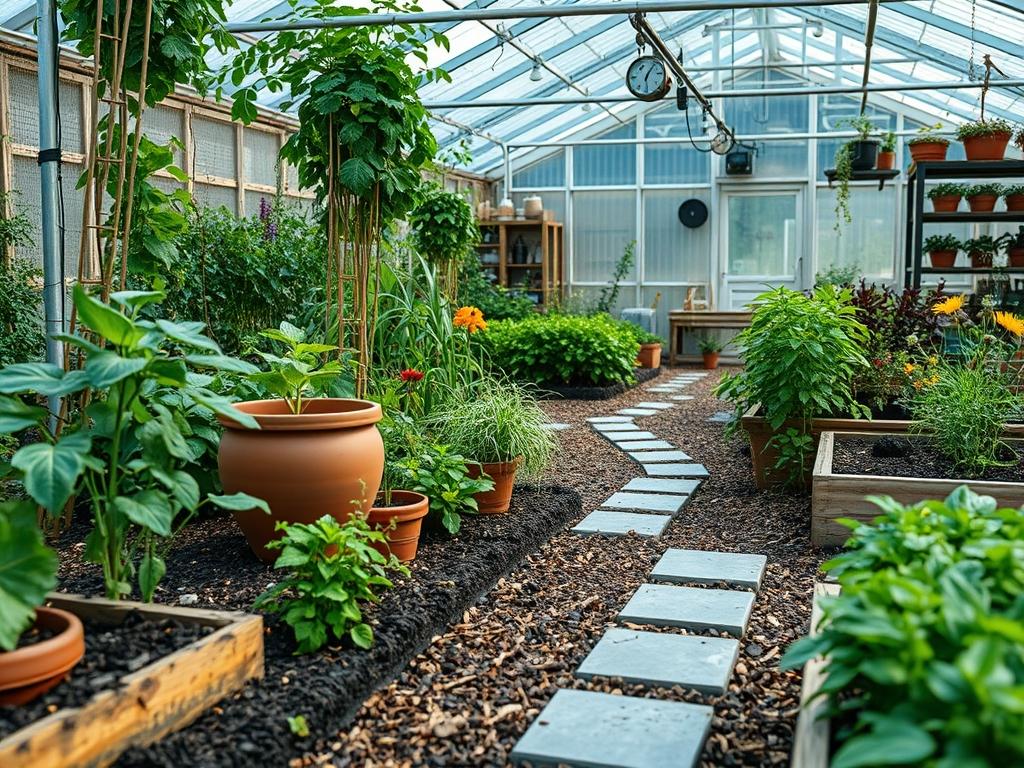
Modern landscaping is undergoing a fundamental shift as we approach 2026. Property owners and developers are no longer viewing the outdoor environment as a purely aesthetic addition; instead, it is now treated as a critical piece of green infrastructure. The primary challenge facing contemporary landscape design is the management of volatile weather patterns, particularly the increase in high-intensity rainfall events and prolonged heat waves. Traditional non-porous surfaces like standard concrete or asphalt contribute to urban heat islands and generate significant runoff, which can overwhelm local storm systems and cause erosion. Integrating Permeable Paver Benefits into a master plan addresses these functional concerns while simultaneously elevating the curb appeal of a property. These systems allow rainwater to infiltrate the ground naturally, mimicking the hydrological cycle of a forest floor. When a driveway or patio is engineered to breathe and drain, it transforms from a static slab into an active environmental asset. Functional goals for any outdoor project now prioritize a seamless blend of high-end materials and ecological responsibility.
Landscape Design Principles
Effective landscape design relies on the core concepts of symmetry and visual balance to guide the eye through a space. In a professional layout, the hardscape serves as the skeleton of the garden. By utilizing Permeable Paver Benefits, designers can create expansive walkways and gathering areas that do not require intrusive plastic localized drains or unsightly catch basins. Instead, the entire surface acts as a drain. Achieving visual balance involves pairing these structured surfaces with elevation layers. For instance, using retaining walls constructed from natural stone or modular blocks can create tiered planting beds that break up the flatness of a large patio. These vertical elements provide opportunities for focal points, such as a custom water feature or a high-impact specimen tree, which anchors the design.
Symmetry does not always imply a mirrored image; rather, it refers to the distribution of visual weight. If a large permeable paver driveway occupies one side of the front yard, a dense grouping of native shrubs and broad-leaf perennials on the opposite side can provide the necessary counterweight. Irrigation planning must be integrated during the earliest design phases. Even with permeable surfaces, the surrounding plant life requires a consistent moisture regime, often delivered through low-voltage drip irrigation systems tucked beneath a 3 inch layer of mulch. This ensures that water is delivered directly to the root zones, minimizing evaporation. Every walkway should follow the natural flow of human traffic, typically requiring a width of at least 36 inches for secondary paths and 60 inches for primary entries to allow two people to walk side-by-side comfortably.
Plant and Material Selection
Selecting the right materials and flora is essential for the longevity of a high-performance landscape. The following table outlines several hardy options that complement permeable hardscaping systems by managing moisture and providing structural beauty.
| Plant Type | Sun Exposure | Soil Needs | Water Demand | Growth Speed | Maintenance Level |
| :— | :— | :— | :— | :— | :— |
| Little Bluestem | Full Sun | Well-Drained | Low | Moderate | Low |
| Purple Coneflower | Full Sun to Part Shade | Loamy/Clay | Moderate | Fast | Low |
| Switchgrass | Full Sun | Varied | Moderate | Fast | Low |
| Stonecrop Sedum | Full Sun | Sandy/Gravelly | Very Low | Moderate | Minimal |
| Inkberry Holly | Part Shade to Sun | Acidic/Moist | Moderate | Slow | Moderate |
| River Birch | Full Sun to Part Shade | Moist/Wet | High | Fast | Moderate |
| Blue Oat Grass | Full Sun | Well-Drained | Low | Moderate | Low |
Implementation Strategy
The successful installation of a permeable system begins with meticulous site preparation and grading. A professional strategy requires a minimum 2 percent slope away from any building foundations, even when using permeable materials, to protect the structural integrity of the home. The first step involves excavating the area to a depth determined by the soil Type and intended load. For a standard residential driveway, this often means digging down 12 to 18 inches. Once the soil is compacted using a Plate Compactor, a heavy-duty geotextile fabric is laid down to prevent the overlying stone from mixing with the native soil.
The base layer is the most critical component of Permeable Paver Benefits. This typically consists of a 6 inch layer of No. 2 crushed stone, which provides a large void space for water storage. Above this, a 4 inch layer of No. 57 stone is spread and compacted to provide structural stability. The final bedding layer is usually 2 inches of No. 8 aggregate, which creates a smooth surface for setting the pavers. Unlike traditional pavers, permeable joints are filled with small, high-angularity gravel chips rather than fine sand. This allows water to pass through the gaps at rates exceeding 100 inches per hour. Proper edging is then installed, using heavy-duty aluminum or concrete restraints to prevent lateral shifting over time.
Common Landscaping Failures
One of the most frequent mistakes in outdoor construction is the neglect of drainage at the sub-grade level. Simply placing permeable units over a standard sand base will lead to immediate failure; the sand will clog and prevent infiltration. Another significant issue is soil compaction in planting areas. When heavy machinery moves across a site during the hardscaping phase, it crushes the pore spaces in the soil, making it nearly impossible for native plants to establish deep root systems. This leads to root overcrowding in the upper few inches of soil, making plants highly susceptible to drought.
Improper spacing of large trees is another common oversight. Planting a River Birch or Oak too close to a permeable surface can eventually lead to root heave, where the force of the growing roots lifts and displaces the pavers. Designers must account for the mature spread of a tree’s root canopy, which often extends well beyond the drip line of the branches. Furthermore, irrigation inefficiencies occur when spray heads are positioned to hit the hardscape instead of the garden beds. This not only wastes water but can also lead to mineral staining on high-end stone surfaces.
Seasonal Maintenance
Maintaining a high-performance landscape requires a proactive, four-season approach. In the Spring, the focus is on rejuvenation. This involves removing the dead foliage of ornamental grasses and applying a fresh 2 inch layer of hardwood mulch to suppress weeds. It is also the time to inspect the permeable joints for any debris or organic matter that might have settled during the winter. A high-powered vacuum or air blower can be used to clear the gaps between pavers.
During the Summer, monitoring soil moisture is the priority. Even drought-tolerant species like Stonecrop Sedum may require supplemental watering during extreme heat spikes. For the permeable areas, ensure that no fine sediments or grass clippings are allowed to accumulate on the surface, as these will eventually form a crust that blocks water flow.
Autumn maintenance is dominated by leaf management. It is imperative to remove fallen leaves quickly; if they are allowed to decompose on top of the permeable joints, the resulting tannins can stain the pavers and the decomposed matter will clog the filtration system.
In the Winter, use caution with de-icing agents. Avoid using sand for traction, as the small particles will fill the voids in the pavers. Instead, use a small-gauge stone chip or magnesium chloride-based de-icers, which are less corrosive to the paver materials and better for the surrounding vegetation.
Professional Landscaping FAQ
How long do permeable pavers typically last?
With professional installation and routine maintenance, a permeable paver system can last 25 to 30 years. The durability of the crushed stone base and high-strength concrete units ensures long-term structural integrity even in harsh freeze-thaw climates.
Do permeable pavers require frequent cleaning?
Usually, an annual cleaning is sufficient. Using a leaf blower or a specialized vacuum to remove organic debris from the joints prevents clogging. If infiltration slows, simply removing the top layer of jointing stone and replacing it restores performance.
Can I use permeable pavers on a steep slope?
Permeable systems are best suited for slopes under 10 percent. For steeper inclines, internal baffles or underground check dams must be installed within the stone base to slow the movement of water and prevent the sub-base from eroding.
Are permeable pavers more expensive than standard concrete?
The initial material and labor costs are often 20 to 30 percent higher. However, they eliminate the need for separate drainage pipes, catch basins, and detention ponds, which often makes the total project cost comparable to traditional methods.
Will weeds grow in the joints of my pavers?
Because the joints are filled with clean stone chips rather than soil, weed growth is significantly reduced. Any seeds that do blow in are easily removed because they cannot establish deep roots in the aggregate layer between the pavers.