
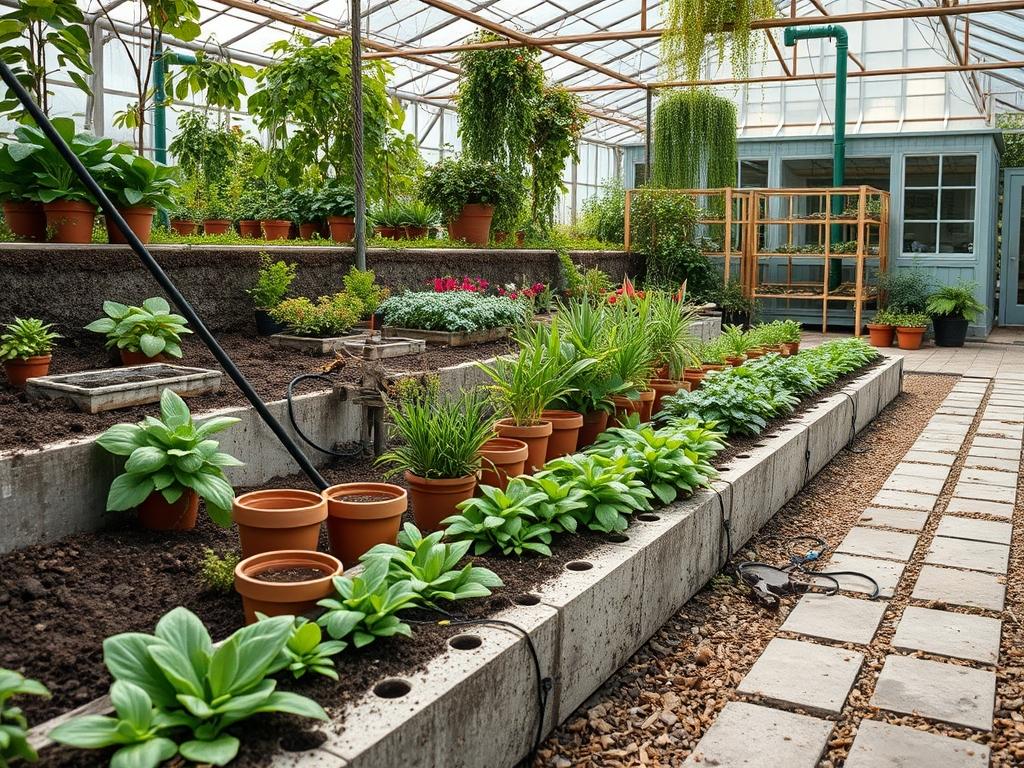
The evolution of exterior design has moved decisively toward the integration of raw, industrial materials with the softness of regional landscapes. For the modern homeowner, the challenge lies in selecting a foundation that provides both visual tranquility and structural longevity. Concrete, once relegated to utilitarian driveways and structural foundations, has emerged as the premier medium for minimalist patios. This shift is driven by a desire for “indoor-outdoor flow,” where the patio acts as a seamless extension of the interior living space. However, achieving this aesthetic requires more than a simple pour. It demands a deep understanding of texture, light reflectance, and climate resiliency. In regions prone to heavy rainfall or freeze-thaw cycles, the choice of concrete texture is a functional necessity as much as a stylistic one. Proper planning must account for drainage gradients and the impact of the house’s silhouette on the patio’s overall curb appeal. By focusing on minimalist textures, a landscape architect can transform a vast, gray expanse into a sophisticated sanctuary that highlights the organic beauty of surrounding flora.
Landscape Design Principles
Successful minimalist landscaping relies on the rigorous application of geometric precision and visual restraint. Symmetry is often the starting point; however, modern design frequently utilizes asymmetrical balance to create interest. For a minimalist patio, this means aligning the edges of the Concrete Slab with the primary architectural lines of the home. Focal points should be singular and intentional, such as a solitary Multi-stem Birch or a bespoke Steel Fire Pit, rather than a cluttered arrangement of various ornaments.
Elevation layers are critical for preventing a flat, uninspired look. By incorporating shallow steps or raised Concrete Planters, you create shadows and depth that change throughout the day. This play of light is further enhanced by the specific texture of the hardscaping. Irrigation planning must be integrated into these elevation changes at the earliest stage. Sub-surface Drip Irrigation Lines should be mapped to ensure that water reaches the root zones of peripheral plantings without spilling onto the concrete, which can cause mineral staining or “efflorescence.” Walkways should maintain a consistent width, typically 48 inches to 60 inches, to allow for comfortable passage while reinforcing the feeling of “planned” space. The ultimate goal is a visual balance where the weight of the hardscape is perfectly offset by the airy movement of ornamental grasses and structural shrubs.
Plant and Material Selection
The following table outlines plants that complement the clean lines and neutral tones of modern concrete textures. These selections are chosen for their structural form and reliability across various hardiness zones.
| Plant Type | Sun Exposure | Soil Needs | Water Demand | Growth Speed | Maintenance Level |
| :— | :— | :— | :— | :— | :— |
| Blue Fescue | Full Sun | Well-drained | Low | Moderate | Low |
| Japanese Maple | Partial Shade | Loamy/Acidic | Moderate | Slow | Moderate |
| Skyrocket Juniper| Full Sun | Adaptable | Low | Fast | Low |
| Japanese Boxwood | Full to Partial | Neutral pH | Moderate | Slow | High (Pruning) |
| Agave | Full Sun | Sandy/Gritty | Very Low | Slow | Low |
| Giant Allium | Full Sun | Rich/Drained | Moderate | Moderate | Low |
Implementation Strategy
The transition from a conceptual design to a physical patio begins with meticulous site preparation. First, the area must be cleared of all organic debris and excavated to a depth of at least 8 inches. This allows for a 4-inch sub-base of compacted 3/4-inch Crushed Stone, topped by a 4-inch layer of high-strength concrete. Grading is the most critical technical step; the surface must slope away from the home at a rate of at least 1/4 inch per foot to prevent hydrostatic pressure from damaging the foundation.
Once the Formwork is secured using Wooden Stakes and 2×4 Lumber, the reinforcement stage begins. For minimalist patios that may support heavy outdoor kitchens or large Stone Planters, a grid of #4 Rebar spaced at 12-inch intervals is recommended over standard wire mesh. This prevents structural cracking and increases the load-bearing capacity of the slab.
The selection of texture occurs during the finishing phase. A Sand-Washed Finish is achieved by applying a surface retarder to the wet concrete, then pressure washing the top layer of paste to reveal fine aggregates. This creates a “velvety” look that is slip-resistant and modern. Alternatively, an Acid-Etched finish uses a mild muriatic acid solution to create a finish similar to fine-grit sandpaper. For those seeking the ultimate minimalist look, Honed Concrete involves using a Grinder with diamond-impregnated pads to polish the surface to a matte sheen. To prevent random cracking, Expansion Joints should be saw-cut into the surface in a clean, rhythmic grid pattern, typically every 8 feet to 10 feet.
Common Landscaping Failures
The most frequent failure in patio construction is inadequate drainage. Simply sloping the concrete is often insufficient if the water has nowhere to go once it hits the edge of the slab. Without a French Drain or a dedicated Channel Drain, water remains trapped in the soil, leading to soil compaction and eventual “heaving” of the concrete.
Another common mistake is root overcrowding. Designing a minimalist patio often involves “cut-outs” where trees or shrubs are planted directly within the concrete expanse. If the species selected have aggressive, shallow root systems, they will inevitably lift the Concrete Sections and cause irreparable cracking. Homeowners must also avoid improper spacing. While “mass planting” is a common technique, crowded plants compete for nutrients and airflow, leading to fungal diseases and stunted growth. Finally, irrigation inefficiencies occur when homeowners rely on oscillating sprinklers that spray both the plants and the hardscape. Constant moisture on the concrete leads to algae growth, which becomes a significant slip hazard and ruins the “clean” minimalist aesthetic.
Seasonal Maintenance
To preserve the integrity of modern concrete textures, a proactive maintenance schedule is essential. In the Spring, the focus should be on cleaning and sealing. Use a high-pressure Power Washer to remove winter grime and organic tannins from fallen leaves. Once dry, apply a high-quality Silane-Siloxane Sealer. This penetrating sealer protects against moisture and salt without changing the appearance of the texture.
During the Summer, monitor the Expansion Joints for debris. Small weeds or dirt can lodge in these gaps, and as the concrete expands in the heat, this trapped material can cause the edges to “spall” or chip. Autumn requires diligent leaf management. Oak and Maple leaves contain high levels of acid that can permanently stain a light-colored Acid-Etched or Sand-Washed finish if left to rot on the surface.
Winter maintenance is the most critical for longevity. Never use rock salt (Sodium Chloride) on modern concrete, as it causes a chemical reaction that destroys the surface paste, leading to “pitting.” Instead, use Calcium Magnesium Acetate or plain Sand for traction. Check all drainage outlets to ensure they are not blocked by ice, as standing water that freezes can exert enough pressure to crack even reinforced concrete.
Professional Landscaping FAQ
Is concrete more durable than natural stone for a patio?
While natural stone is incredibly hard, modern reinforced concrete offers superior structural integrity and a more uniform surface. When properly installed with Rebar and adequate Sub-base Compaction, concrete resists shifting and weed growth far better than traditional stone pavers.
Will my minimalist concrete patio eventually crack?
All concrete eventually cracks due to shrinkage or thermal expansion. However, landscape architects manage this by incorporating Controllable Expansion Joints. These intentional “cuts” encourage the concrete to crack in a straight line at the bottom of the joint, remaining invisible.
Are textured concrete surfaces difficult to keep clean?
A Sand-Washed or Acid-Etched finish is slightly more porous than smooth concrete, but it is not difficult to maintain. Using a Surface Sealer once every three years prevents stains from penetrating the surface, making it easy to clean with a garden hose.
How do I prevent my concrete patio from being slippery?
Minimalist design often avoids heavy “stamping.” To maintain safety, architects use a Broom Finish or a Salt Finish. These techniques create micro-textures that increase the Coefficient of Friction, providing excellent grip even when the surface is wet from rain or pool splashes.
Can I change the color of my concrete later?
Yes, concrete can be revitalized using Penetrating Stains or Concrete Dyes. Unlike paint, these products soak into the pores of the material. This allows you to update the tone of your patio to match new exterior paint or landscaping features.