
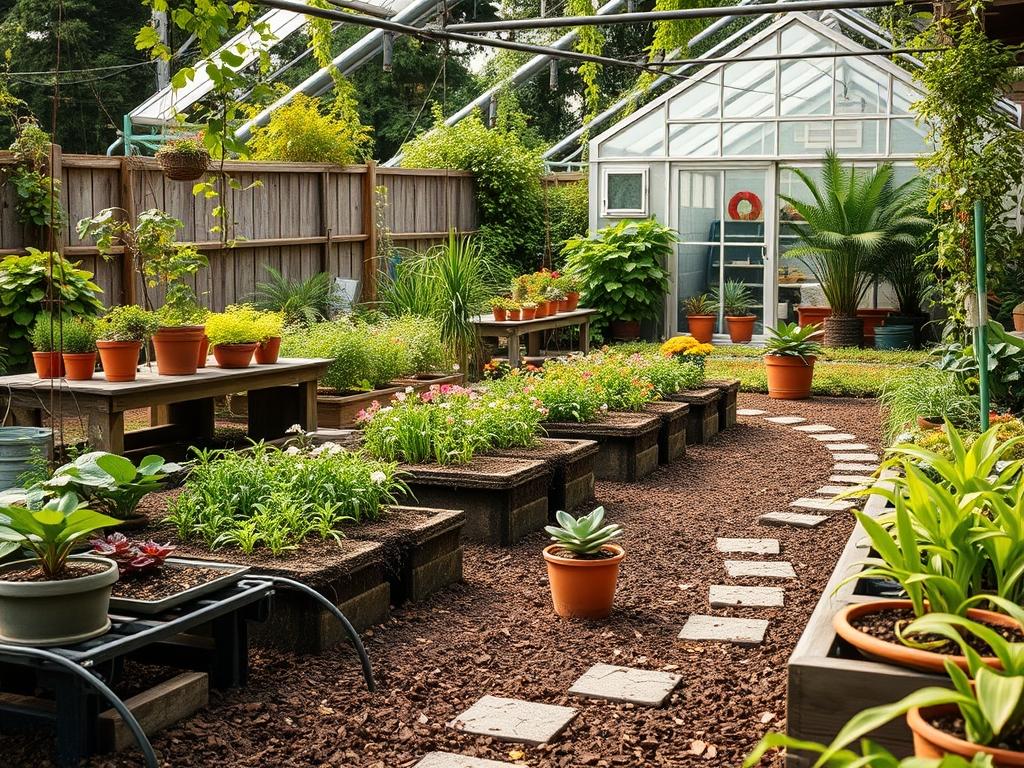
Achieving high-impact curb appeal requires more than simply clearing weeds or mowing the turf. To truly elevate a property, a designer must view the front yard as a three-dimensional gallery where depth, texture, and structural integrity converge. A well-executed landscape serves as the physical handshake between a home and its community, signaling both the value of the property and the care of the owner. The primary challenge for many homeowners lies in the lack of structural hierarchy. Flat, single-row plantings often appear two-dimensional and fail to lead the eye toward the architectural features of the residence. By implementing a layered planting strategy, also known as creating a softscape gradient, we can hide foundation eyesores, create a sense of enclosure, and manage rainwater runoff effectively. This approach demands a firm understanding of climate zones, soil composition, and the eventual mature size of every specimen introduced to the site.
Landscape Design Principles
Successful front yard curb appeal relies on the fundamental principle of visual transitions. We achieve this by dividing the planting area into three distinct zones: the background, the midground, and the foreground. The background layer typically consists of taller evergreen shrubs or small ornamental trees that provide year-round structure and privacy. The midground focuses on texture and color, utilizing deciduous shrubs and perennial flowers. Finally, the foreground uses low-growing groundcovers and bulbs to soften the transition to the lawn or walkway.
Beyond vertical layering, symmetry and focal points play crucial roles in professional design. A grand entrance often benefits from bilateral symmetry, where matching installations flank the primary doorway to create a sense of formality and balance. Alternatively, a modern or cottage-style home might utilize asymmetrical balance, where a large Japanese Maple on one side is balanced by a dense cluster of Ornamental Grasses on the other. Lighting and irrigation planning are also vital at this stage. Low-voltage LED path lights and directional spotlights should be mapped early to highlight architectural peaks and specimen trees. Additionally, ensuring that the irrigation zones match the water needs of specific plant groupings, a practice known as hydrozoning, prevents overwatering and resource waste.
Plant and Material Selection
Selecting the right materials is the difference between a garden that thrives and one that requires constant resuscitation. The following table provides a selection of versatile species for a layered front yard.
| Plant Type | Sun Exposure | Soil Needs | Water Demand | Growth Speed | Maintenance Level |
| :— | :— | :— | :— | :— | :— |
| Emerald Green Arborvitae | Full Sun | Well-drained | Moderate | Medium | Low |
| Knock Out Roses | Full Sun | Loamy/Rich | High | Fast | Medium |
| Blue Star Juniper | Full Sun | Sandy/Dry | Low | Slow | Low |
| Hostas | Full Shade | Moist/Organic | Moderate | Medium | Low |
| Lavender | Full Sun | Gritty/Alkaline | Very Low | Medium | High (Pruning) |
| Boxwood | Partial Shade | Neutral | Moderate | Slow | Medium |
| Creeping Phlox | Full Sun | Well-drained | Moderate | Fast | Low |
For hardscaping materials, consider using Natural Flagstone or Tumbled Concrete Pavers for walkways. These materials provide a timeless look that complements various architectural styles. When choosing Mulch, opt for Triple-shredded Hardwood Bark or Pine Straw to retain moisture and suppress weeds. Avoid using large River Rock directly against heat-sensitive plants, as the stones can reach high temperatures and stress the root systems.
Implementation Strategy
The transition from a blueprint to a physical landscape starts with ground preparation. Before any plants arrive, the site must be cleared of debris and existing turf. Use a Sod Cutter to remove grass cleanly, which allows for better soil access. Once the site is clear, you must address Grading. The soil should always slope away from the home’s foundation at a rate of at least 1/4 inch per foot. If the yard has significant elevation changes, a Retaining Wall built with Wall Blocks or Natural Stone can create level planting tiers and prevent erosion.
After the grade is set, install the Edging. Using Heavy-duty Steel Edging or Concrete Cobbles creates a crisp line that keeps the lawn from encroaching on the garden beds. Lay out the plants while they are still in their nursery containers to verify the spacing based on their mature spread. For a standard shrub, this often means leaving 3 to 5 feet of space from center to center. Dig planting holes that are twice as wide as the root ball but no deeper. For superior results, incorporate Organic Compost or Peat Moss into the native soil at a 1:3 ratio. After planting, apply a 3-inch layer of mulch over the entire bed, taking care to keep the material away from the base of the stems to prevents rot.
Common Landscaping Failures
The most frequent mistake in residential landscaping is chronic overcrowding. Novice gardeners often plant for immediate impact, placing small shrubs too close together. Within three years, these plants compete for nutrients and light, leading to stunted growth and fungal diseases. Another critical failure involves poor Drainage management. Standing water near the foundation can lead to basement leaks and root rot. If the soil is heavy clay, installing a French Drain with Perforated Pipe and 3/4 inch Clean Stone is essential to redirect excess moisture.
Soil compaction is another silent killer of curb appeal. During construction or heavy gardening, the soil loses its pore space, preventing oxygen from reaching the roots. Using a Garden Fork or a mechanical Aerator before planting can help restore soil structure. Finally, ignoring the “right plant, right place” rule leads to high mortality rates. Planting a sun-loving Hydrangea in deep shade or a moisture-loving Fern in a dry, windy corner will inevitably lead to a lackluster display that requires constant intervention and replacement.
Seasonal Maintenance
A professional-grade landscape is a living entity that requires a structured maintenance calendar. In the Spring, the focus is on rejuvenation. This is the time to apply a balanced 10-10-10 Fertilizer and refresh the mulch layers. As new growth begins, use Bypass Pruners to remove any winter-killed branches and shape the evergreens. This is also the ideal window for installing new irrigation emitters to ensure total coverage before the summer heat arrives.
During the Summer, moisture management is the priority. Early morning watering is most effective, as it allows leaf surfaces to dry before the sun becomes too intense. Monitor for pests like aphids or spider mites, which can proliferate in dry conditions. In the Autumn, maintenance shifts toward preparation. Rake fallen leaves promptly to prevent them from smothering groundcovers. This is the best season for planting new trees and shrubs, as the cooler air and warm soil promote rapid root establishment. Finally, in the Winter, protect sensitive species with Burlap Wraps and apply a final layer of mulch to insulate the root zones against the freeze-thaw cycle. Use Long-handled Loppers to perform structural pruning on deciduous trees while they are dormant.
Professional Landscaping FAQ
How much does landscaping typically add to property value?
Professional landscaping can increase a home’s resale value by 10 to 12 percent. High-quality curb appeal makes the property more attractive to buyers and can significantly shorten the time a listing remains on the market.
What is the best way to handle steep slopes in a front yard?
Terracing is the most effective solution for steep inclines. By building a series of low Retaining Walls, you create flat planting pockets that slow water runoff and make the area much easier to maintain and plant.
How often should I replace the mulch in my garden beds?
Organic mulch should be refreshed once per year, typically in the spring. You should aim to maintain a depth of 2 to 3 inches. If the old mulch has formed a crust, rake it before adding new material.
Can I use native plants for a formal landscape look?
Yes. Many native species like Inkberry Holly or Switchgrass offer clean lines and uniform growth patterns. Using natives reduces the need for chemical fertilizers and provides a vital habitat for local pollinators while maintaining a polished aesthetic.
What is a “living mulch” and should I use it?
Living mulch refers to dense groundcovers like Sedum or Wild Ginger that carpet the soil surface. This strategy reduces the need for wood chips, prevents weed germination, and creates a lush, green foreground for your layered planting beds.