
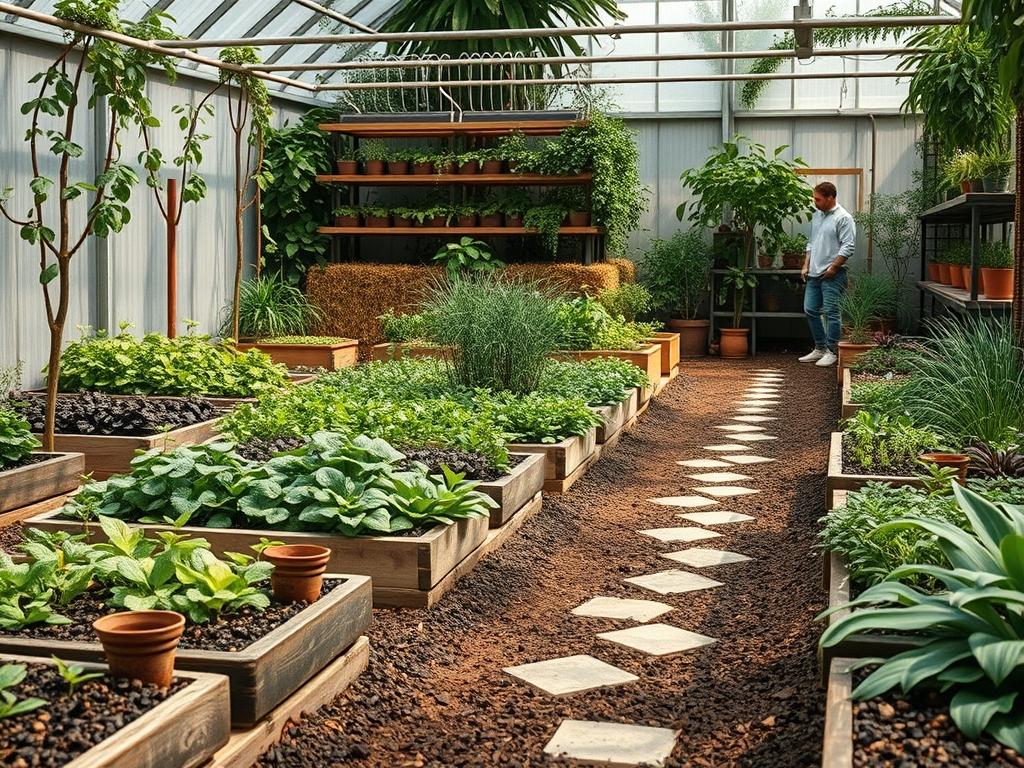
The creation of a wellness centered outdoor space requires a departure from traditional ornamental gardening, moving instead toward a disciplined integration of site engineering and contemplative aesthetics. In the contemporary landscape architecture field, Zen Garden Wellness is defined by the reduction of visual noise to facilitate psychological restoration. This process begins with a rigorous site analysis that accounts for existing microclimates, prevailing wind directions, and the hydrological profile of the land. A primary challenge in these designs is balancing the desire for minimalism with the practical needs of curb appeal and long term functionality. If a garden looks pristine but fails to drain properly during a heavy rain event, the resulting maintenance burden will quickly erode any sense of tranquility the space provides. Professionals must approach the layout by considering how the outdoor environment functions as an extension of the home, ensuring that the transitions between structural interiors and organic exteriors are seamless and intentional.
Landscape Design Principles
The architecture of a Zen garden relies heavily on the concept of Ma, or intentional void. This principle suggests that the space between objects is just as vital as the objects themselves. While traditional Western landscapes often prize symmetry, Zen design focuses on an asymmetrical balance that mimics the organic irregularities of the natural world. Achieving this balance requires a strategic use of focal points, such as a solitary monolithic stone or a uniquely pruned specimen tree, to anchor the viewer’s gaze. These elements should not be centered perfectly; rather, they should be placed according to the rule of thirds to create a sense of movement and discovery as one moves through the site.
Elevation layers are critical for adding depth to a flat backyard. By utilizing retaining walls or subtle earthen berms, a designer can create distinct “rooms” within the garden without the need for tall, intrusive fences. These changes in grade should be supported by a robust irrigation planning phase. Drip irrigation is preferred in wellness gardens to minimize the sound of mechanical spraying and to deliver water directly to the root zones, which reduces weed germination in the surrounding gravel or mulch. Walkways should be designed to slow the pace of the visitor. Using mismatched stepping stones or winding paths forced by the placement of large boulders ensures that anyone walking through the space must remain present and mindful of their footing.
Plant and Material Selection
The following selections emphasize structural integrity and year round interest, which are foundational to maintaining a cohesive aesthetic in Zen Garden Wellness designs.
| Plant Type | Sun Exposure | Soil Needs | Water Demand | Growth Speed | Maintenance Level |
|—|—|—|—|—|—|
| Japanese Maple | Partial Shade | Acidic, Well-drained | Moderate | Slow | Medium |
| Japanese Black Pine | Full Sun | Sandy, Loamy | Low | Slow | High (Pruning) |
| Dwarf Mondo Grass | Shade to Sun | Moist, Fertile | Moderate | Slow | Low |
| Satsuki Azalea | Partial Shade | Acidic, Rich | Moderate | Moderate | Medium |
| Hakone Grass | Shade | Moist, Well-drained | Moderate | Moderate | Low |
| Chinese Juniper | Full Sun | Adaptable, Lean | Low | Slow | Low |
| Moss (various) | Deep Shade | Consistent Moisture | High | Slow | Medium |
Implementation Strategy
The transition from a design concept to a finished landscape requires a disciplined sequence of operations. It begins with grading, where the soil is sloped at a minimum of a one percent grade away from the home’s foundation to prevent hydrostatic pressure and basement moisture issues. Once the subgrade is established, the layout for hardscaping is marked. For a Zen garden, the “dry river” or raked gravel area is a central feature. This area must be excavated to a depth of at least 4 inches. A heavy duty, non-woven geotextile fabric is then laid down to prevent the gravel from mixing with the underlying soil, which is a common cause of premature garden failure.
Edging is the next critical step. To achieve the crisp lines required for wellness aesthetics, use 1/8-inch steel edging or deeply set granite cobblestones. This prevents the turf or mulch from encroaching on the gravel zones. When placing large boulders, they should be buried at least one third of their height into the ground. This ensures they look as though they are emerging naturally from the earth rather than simply sitting on top of it. After the structural elements and plants are installed, a 3-inch layer of organic mulch or decorative stone is applied. Drainage is further managed by installing French drains or dry wells in low lying spots where water naturally collects, ensuring the site remains usable even after heavy precipitation.
Common Landscaping Failures
The most frequent mistake in wellness centered design is improper drainage planning within the gravel areas. When water pools beneath the stone, it creates a breeding ground for algae and leads to the rapid decomposition of the landscape fabric. Furthermore, soil compaction is a silent killer of high value specimen plants like the Japanese Maple. During construction, heavy machinery often packs the earth so tightly that oxygen cannot reach the root systems, leading to a slow decline of the tree over several seasons.
Another common failure involves root overcrowding and improper spacing. In an attempt to make a garden look “finished” on day one, many installers plant shrubs too close together. As these plants mature, they compete for nutrients and airflow, which increases the risk of fungal infections and requires aggressive, often unattractive pruning to manage. Irrigation inefficiencies also plague many Zen designs. Over watering the stone and sand sections of the garden encourages weed growth, which destroys the minimalist aesthetic and increases the labor required to keep the space looking pristine. Finally, the use of “dirty” gravel that contains high amounts of stone dust will eventually settle and harden into a concrete like surface, preventing the very drainage the gravel was intended to facilitate.
Seasonal Maintenance
A Zen garden requires consistent, mindful maintenance to preserve its therapeutic qualities. During the spring, the focus is on soil amendments and the initial “opening” of the garden. This involves testing the pH of the soil to ensure it remains slightly acidic for plants like azaleas and maples. Any winter damage to evergreens should be addressed with clean, sterilized hand pruners. Summer maintenance is primarily about water management and weed suppression. Hand pulling weeds in the gravel sections is essential to prevent the disruption of the raked patterns, which should be refreshed weekly with a wooden landscape rake.
Autumn is the season for significant structural pruning, known as Niwaki in the Japanese tradition. This mimics the weathered look of ancient trees and opens up the canopy to allow for better light penetration during the darker months. Leaves must be meticulously removed from the gravel areas to prevent them from breaking down and creating organic matter that would support weed growth. In winter, the garden’s “bones” are on full display. Maintenance shifts to protecting sensitive species from heavy snow loads by using bamboo supports or burlap screens. This is also the best time to inspect hardscaping for frost heave and plan any structural adjustments for the following year.
Professional Landscaping FAQ
How do I choose the right gravel for a Zen garden?
Select crushed granite or decomposed granite rather than smooth river pebbles. Crushed stone has angular edges that lock together, allowing the rake to leave crisp, defined patterns that hold their shape against the wind and light rain.
Can I create a Zen garden in a small urban space?
Yes, minimalism thrives in small footprints. Focus on vertical elements, such as a slate water wall or a single stature tree, to draw the eye upward. Use consistent materials to prevent the space from feeling cluttered or disjointed.
What is the best way to prevent weeds in gravel areas?
Install a commercial grade, UV resistant landscape fabric beneath the stone. Ensure all edges are tucked deeply behind the perimeter edging. Avoid using plastic sheeting, as it traps gas and water, which eventually kills the soil’s microbial health.
How deep should my mulch layer be for plantings?
Maintain a depth of 2 to 3 inches. This is sufficient to retain moisture and suppress weeds without suffocating the root flares of your trees. Never pile mulch against the trunk, as this leads to rot and pest infestations.
Do I need a professional irrigation system for a Zen garden?
While not mandatory, a dedicated drip system is highly recommended. It provides the precision needed to keep moss and specimen plants hydrated while keeping the stone areas dry, significantly reducing the amount of time spent on manual weeding.