
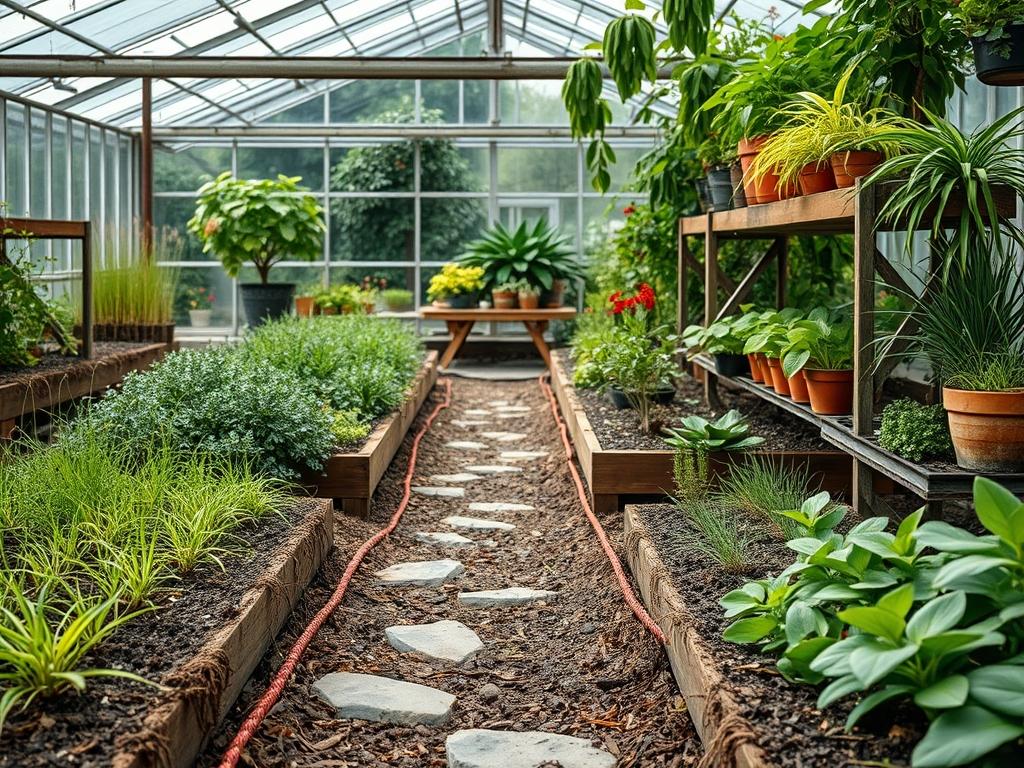
Designing a high performance landscape requires a shift from viewing the yard as a static decoration to seeing it as a functional ecosystem. Homeowners often struggle with the balance between aesthetic appeal and ecological responsibility, particularly when facing unpredictable weather patterns and local water restrictions. Native planting design solves this duality by utilizing species that have evolved specifically for your local climate, soil chemistry, and precipitation levels. These plants provide deeper root systems that improve soil stabilization and water infiltration while simultaneously reducing the need for synthetic fertilizers and excessive irrigation. A well engineered landscape does not just sit on top of the land; it participates in the local hydrology and supports regional biodiversity without sacrificing the structured elegance expected in high end residential design.
When we approach a new site, we prioritize the integration of outdoor living spaces with the natural topography. This involves careful consideration of the grading to move water away from the foundation while directing it toward functional planting zones. By incorporating native species into a structured layout, we can create a sophisticated environment that feels intentional rather than overgrown. This professional approach involves defining clear boundaries through edging, using hardscaping to anchor softscape elements, and selecting a palette that offers multi-seasonal interest. The result is a yard that looks groomed and deliberate while functioning as a vital corridor for local pollinators and songbirds.
Landscape Design Principles
Successful native planting design rests on the same foundational pillars as formal European gardens: symmetry, focal points, and visual balance. Even when using wilder, local species, the application of classical design principles prevents the yard from looking chaotic. We often use specimen trees like the White Oak or Eastern Redbud to create strong focal points that draw the eye through the property. Symmetry can be achieved through the mirrored placement of native shrubs along a flagstone walkway, providing a sense of order that frames the organic shapes of the plants themselves.
Layering is perhaps the most critical principle in a bio-diverse yard. In a professional plan, we design in three distinct vertical tiers: the overstory, the understory, and the ground plane. The overstory consists of large canopy trees that provide shade and carbon sequestration. Beneath them, the understory features smaller flowering trees and large shrubs that offer nesting sites and fruit. Finally, the ground plane is composed of herbaceous perennials, grasses, and sedges that act as a living mulch. This vertical complexity mimics natural forest edges, maximizing the amount of biomass and habitat per square foot.
Visual balance is maintained by mixing textures and colors. For instance, the fine, airy texture of Little Bluestem grass acts as a perfect foil to the broad, coarse leaves of Oakleaf Hydrangea. We also consider the “Rule of Three” or mass planting techniques where we group at least five to seven individuals of the same species together. This creates a bold wash of color that is more visually impactful than a scattered “polka dot” arrangement. Moreover, massing plants makes it easier for pollinators to locate their food sources, increasing the ecological efficiency of the space.
Plant and Material Selection
| Plant Type | Sun Exposure | Soil Needs | Water Demand | Growth Speed | Maintenance Level |
| :— | :— | :— | :— | :— | :— |
| Large Canopy Tree | Full Sun | Loamy/Clay | Moderate | Slow/Medium | Low |
| Understory Tree | Part Shade | Rich/Moist | Moderate | Medium | Low |
| Deciduous Shrub | Full to Part Sun | Well-Drained | Low to Medium | Fast | Moderate |
| Ornamental Grass | Full Sun | Poor/Sandy | Very Low | Fast | Minimal |
| Perennial Wildflower | Full Sun | Average | Low | Medium | Moderate |
| Groundcover Sedge | Shade/Dappled | Moist/Hydric | Medium to High | Medium | Low |
| Aquatic Native | Full Sun | Saturated | High | Fast | Low |
| Evergreen Screen | Full to Part Sun | Diverse | Moderate | Medium | Low |
| Vine/Climber | Full Sun | Well-Drained | Moderate | Fast | High (Pruning) |
| Rock Garden Succulent | Full Sun | Rocky/Lean | Very Low | Slow | Minimal |
Implementation Strategy
The transition from a blueprint to a finished landscape begins with proper site preparation. We start with a topographic survey to identify low spots and potential drainage issues. If the soil is heavily compacted from construction, we utilize a subsoiler or vertical mulching technique to break up the “hardpan” layer before planting. This ensures that the deep roots of native species can penetrate the earth and access subsoil moisture. Grading should always result in a 1% to 2% slope away from structural foundations to prevent hydrostatic pressure against basement walls.
Once the skeleton of the garden is established through retaining walls and walkways, we focus on soil health. Unlike traditional gardening which relies on imported topsoil, native design works with the existing soil profile. We may incorporate compost to jumpstart microbial activity, but we avoid high nitrogen fertilizers that can lead to “leggy” growth and increased pest vulnerability. When installing the plants, we ensure the “root flare” of trees is visible above the soil line. After planting, we apply a 3 inch layer of hardwood mulch or pine bark to suppress weeds and retain moisture, taking care not to pile it against the stems of the plants.
For homeowners looking to maximize biodiversity, we recommend the installation of a rain garden. This is a shallow depression designed to capture stormwater runoff from roofs and driveways. By selecting species like Swamp Milkweed or Cardinal Flower, which can tolerate both temporary flooding and dry spells, you create a functional bio-filter. The water is allowed to percolate back into the aquifer rather than flowing into the municipal sewer system. This strategy not only solves standing water problems but also creates a lush, moisture-rich microclimate within the larger landscape.
Common Landscaping Failures
The most frequent mistake in native landscaping is the failure to account for the mature size of the plant material. It is tempting to plant serviceberry or viburnum close together for instant privacy, but within five years, root overcrowding and poor airflow will lead to fungal diseases and stunted growth. We always use the “center-to-center” spacing method based on the plant’s spread at ten years of maturity. This allows for proper air circulation and reduces the need for constant, stressful pruning.
Another common pitfall is the misuse of irrigation systems. Many homeowners assume that because a plant is native, it requires no water. While this is true once established, new installations require consistent moisture for the first 12 to 24 months. Conversely, over-watering native species adapted to dry prairies can cause root rot and anaerobic soil conditions. We recommend using drip irrigation on a smart controller that adjusts for local weather data. This delivers water directly to the root zone and minimizes evaporation, ensuring the plants receive precisely what they need to thrive during the critical establishment phase.
Seasonal Maintenance
Maintaining a native yard differs significantly from the “mow and blow” routine of a traditional lawn. In the spring, we focus on “the big cleanup” only after temperatures consistently stay above 50 degrees Fahrenheit. This protects overwintering beneficial insects that nest in hollow stems. We prune dead wood and refresh mulch in areas where it has decomposed. This is also the ideal time for dividing perennials to fill in any gaps in the groundcover layer.
During the summer, maintenance is largely observational. We monitor for invasive species that may try to encroach on the native beds. Because native gardens attract significant wildlife, you may see some “leaf munching.” This is actually a sign of success; it means your yard is providing a food source for caterpillars and other vital insects. We avoid broad-spectrum pesticides at all costs, as they disrupt the delicate predator-prey balance that naturally controls garden pests.
In autumn, we resist the urge to perform a “clean sweep.” Leaving the seed heads of plants like Purple Coneflower and Black-eyed Susan provides a critical winter food source for birds. Fallen leaves should be shredded with a mulching mower or left in the beds to serve as a natural fertilizer and insulation layer. Winter is the time for structural pruning of deciduous trees while they are dormant. We also check retaining walls and drainage grates for any blockages caused by ice or debris, ensuring the site is ready for the spring thaw.
Professional Landscaping FAQ
How long does it take for a native garden to look established?
Most native landscapes follow the “leap, creep, sleep” rule. The first year they establish roots; the second year they show modest growth; and by the third year, they “leap” into full, lush maturity with minimal gaps between plants.
Do native plants attract unwanted pests like mosquitoes or snakes?
A diverse native garden actually reduces pest populations by attracting natural predators like dragonflies and birds. Mosquitoes require standing water to breed, so a well-drained native yard or a properly engineered rain garden will not increase their presence.
Can I have a native yard if I live in a strict HOA?
Yes, the key is “intended design.” By using defined edging, clean hardscaping, and traditional planting patterns like hedges or borders, you can utilize native species while maintaining the neat, orderly appearance that most homeowners associations require for approval.
Why is mulch so important in a biodiverse landscape?
Mulch serves as a temporary barrier that regulates soil temperature and moisture while the native groundcovers fill in. Eventually, as your plants mature and overlap, they create a “living mulch” that performs these functions naturally without additional materials.
Are native plants more expensive than traditional nursery stock?
While some specialized native species may have a higher initial cost at boutique nurseries, they save significant money over time. You will spend far less on supplemental watering, chemical fertilizers, and replacement plants due to their superior hardiness and longevity.