
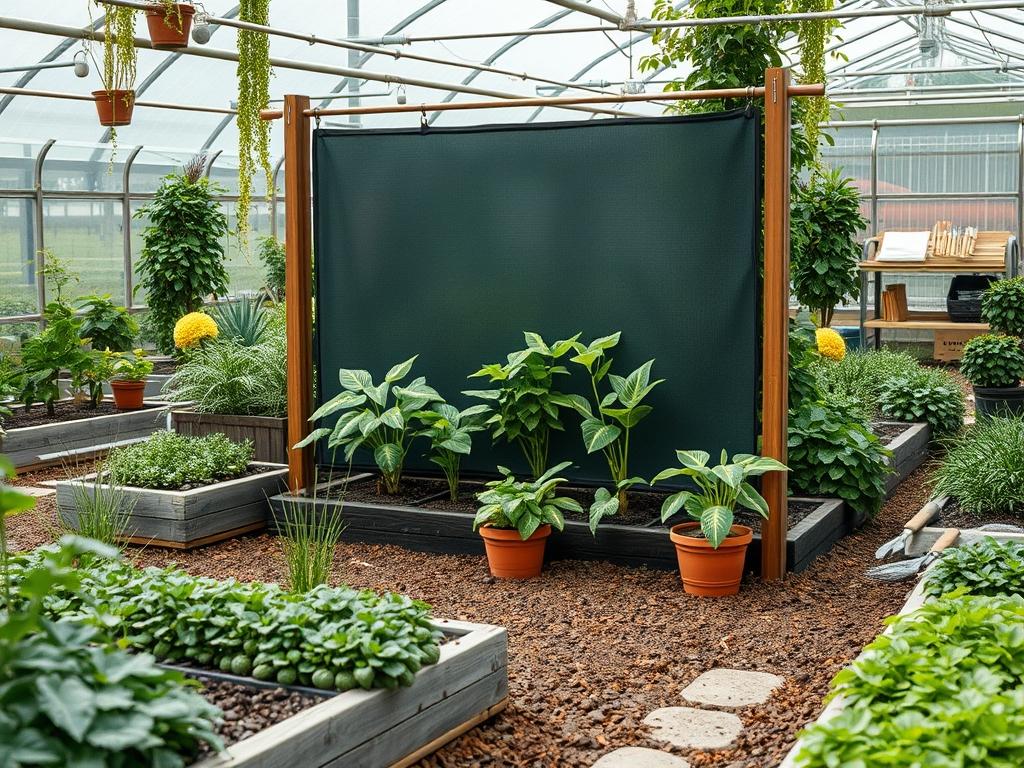
Modern residential architecture frequently prioritizes large windows and open floor plans, which paradoxically creates a demand for sophisticated perimeter solutions. Finding the right Backyard Privacy Screen Top design requires a synthesis of aesthetic ambition and site-specific constraints. Professional designers treat the property line as more than a boundary; it is a vertical plane that manages sound, wind, and visual intrusion. When we approach a new project, we look at the microclimate of the yard. Wind patterns can turn a solid screen into a sail, potentially damaging the footings, while a screen that is too dense can trap heat and stifle the natural airflow necessary for plant health. Achieving curb appeal and functionality requires a balance between hardscape elements and living green walls. A successful design does not just hide the neighbors. It frames the view, creates a sense of enclosure, and enhances the overall value of the property through thoughtful spatial organization.
Landscape Design Principles
Effective landscaping relies on several core principles to ensure that a Backyard Privacy Screen Top feels integrated rather than added as an afterthought. Symmetry and visual balance provide the framework. While formal gardens utilize perfect mirror images, modern landscapes often use asymmetrical balance. For instance, a heavy gabion wall on one side can be balanced by a dense cluster of ornamental grasses on the other. This prevents the space from feeling lopsided or claustrophobic.
Focal points are equally critical. A privacy screen should serve as a backdrop for a statue, a water feature, or a specimen tree like a Japanese Maple. By directing the eye toward a specific point within the yard, the perimeter screen fades into the background, performing its duty without dominating the visual field. Elevation layers further enhance this effect. We recommend staggering the heights of the screen components. A 6-foot cedar fence can be fronted by 3-foot masonry planters, which are then filled with cascading perennials. This creates a soft transition from the vertical plane to the ground level.
Walkways and circulation paths must be planned in conjunction with these screens. A path that runs parallel to a long, flat screen can feel like a hallway; however, adding slight curves or bump-outs for seating areas breaks the monotony. Irrigation planning should never be an afterthought. If your privacy screen incorporates living elements, a drip irrigation system must be integrated into the initial design. This ensures that water reaches the roots directly, minimizing evaporation and preventing the wood or metal components of the screen from constant moisture exposure, which leads to rot or corrosion.
Plant and Material Selection
Selecting the right materials is the difference between a screen that lasts five years and one that lasts twenty. Below is a breakdown of common plant species used in modern privacy applications.
| Plant Type | Sun Exposure | Soil Needs | Water Demand | Growth Speed | Maintenance Level |
| :— | :— | :— | :— | :— | :— |
| Thuja Green Giant | Full Sun/Part Shade | Well-drained | Moderate | Fast | Low |
| Japanese Yew | Shade/Part Sun | Fertile/Moist | Moderate | Slow | Medium |
| Bamboo (Clumping) | Full Sun | Rich/Loamy | High | Very Fast | High |
| Star Jasmine | Full Sun/Part Shade | Well-drained | Low | Moderate | Low |
| Boxwood | Part Sun | Neutral pH | Moderate | Slow | Medium |
| American Holly | Full Sun/Part Shade | Acidic/Moist | Moderate | Moderate | Low |
| Privet | Full Sun/Part Shade | Adaptable | Low | Fast | High |
In addition to plants, modern materials like powder-coated aluminum, weathering steel (Corten), and composite decking boards offer durability and a sleek aesthetic. Horizontal wood slats made of Ipe or Western Red Cedar provide a warm, organic feel that complements contemporary architecture.
Implementation Strategy
The transition from a design concept to a physical installation begins with a thorough site survey. Before any digging occurs, you must identify underground utility lines and check local building codes regarding maximum fence heights. Most municipalities limit backyard structures to 6 or 8 feet. If you require more height, you may need to utilize “soft” screening, such as trees, which are often exempt from these height restrictions.
Grading is the next critical step. The ground where the screen will stand must be leveled or tiered to prevent water from pooling at the base. Improper grading leads to soil erosion and can undermine the stability of concrete footings. Once the grade is established, define the edges using an edging tool to create a clean break between the lawn and the planting beds.
For hardscape screens, ensure that posts are set at least 24 to 36 inches deep, depending on the frost line in your region. Use a level to verify that every vertical element is plumb. When adding plants, use a soil auger for consistent hole depth and width. After planting, apply a 3-inch layer of hardwood mulch to the beds. This helps retain moisture, suppresses weeds, and provides a finished look. If you are using a Backyard Privacy Screen Top made of metal or wood panels, ensure there is a small gap at the bottom to allow for leaf litter removal and to prevent moisture from wicking up into the material.
Common Landscaping Errors
The most frequent failure in privacy screening is poor drainage. When a solid wall or a dense row of shrubs is installed, it can act as a dam for surface runoff. Without French drains or weep holes, water will saturate the root zones or flood the patio. Soil compaction is another silent killer. During construction, heavy machinery compresses the earth, destroying the pore spaces that hold oxygen and water. Professionals use aerators or incorporate organic compost to restore soil structure before planting.
Root overcrowding often happens when homeowners want an “instant” screen. Planting Emerald Green Arborvitae too close together results in competition for nutrients. Within a few years, the interior branches will die back due to lack of light, leaving the screen looking thin and diseased. Similarly, improper spacing between hardscape footings and large tree roots can lead to cracked foundations or leaning fences as the tree matures. Finally, irrigation inefficiencies, such as overhead sprinklers hitting a wooden screen, will cause premature silvering, mold growth, and structural rot.
Seasonal Maintenance
A Backyard Privacy Screen Top requires a specific maintenance schedule to remain effective and attractive. In the spring, inspect all hardscape components for winter damage. Tighten any loose bolts in metal screens and check for “frost heave” in stone walls. This is also the time for a pre-emergent herbicide application and the rejuvenation of mulch layers. Prune any deciduous plants before they leaf out to maintain the desired shape and density.
During the summer, the focus shifts to hydration. Heat stress can cause even established plants to wilt, especially those near heat-absorbing materials like steel or stone. Monitor your irrigation controller and adjust flow rates during heatwaves. In autumn, leaf removal is a priority. Debris trapped at the base of a screen holds moisture and invites pests. This is the ideal time to apply a protective sealant or stain to wooden screens if they have faded over the summer. In winter, protect sensitive evergreens from “winter burn” by using an anti-desiccant spray. If you live in an area with heavy snow, gently brush accumulation off the tops of hedges to prevent branches from snapping under the weight.
Professional Landscaping FAQ
What is the best material for a modern privacy screen?
Powder-coated aluminum and composite wood are superior for modern designs. They offer clean lines, require almost no maintenance, and resist rot or rust. They provide a high-end look that complements contemporary home exteriors perfectly.
How do I prevent my wooden screen from rotting?
Ensure no wood-to-ground contact by using galvanized steel post bases. Apply a UV-rated sealant annually and maintain a clear gap at the base for airflow. Proper drainage away from the screen is the most effective preventative measure.
Can I get privacy without a solid fence?
Yes, by using layered plantings. A combination of ornamental grasses, clumping bamboo, and lattice panels with climbing vines creates a “breathable” screen. This blocks sightlines while allowing light and wind to pass through the landscape.
Why is drainage important for privacy screens?
Screens often block the natural path of rainwater. Without proper grading or perforated pipes, water pools at the base. This leads to soil compaction, root rot for your plants, and structural instability for your hardscape footings.
How fast will a living privacy screen grow?
Species like Thuja Green Giant can grow 3 to 5 feet per year under ideal conditions. Most evergreens average 1 to 2 feet annually. Regular fertilization and consistent drip irrigation are essential to reaching maximum growth potential quickly.