
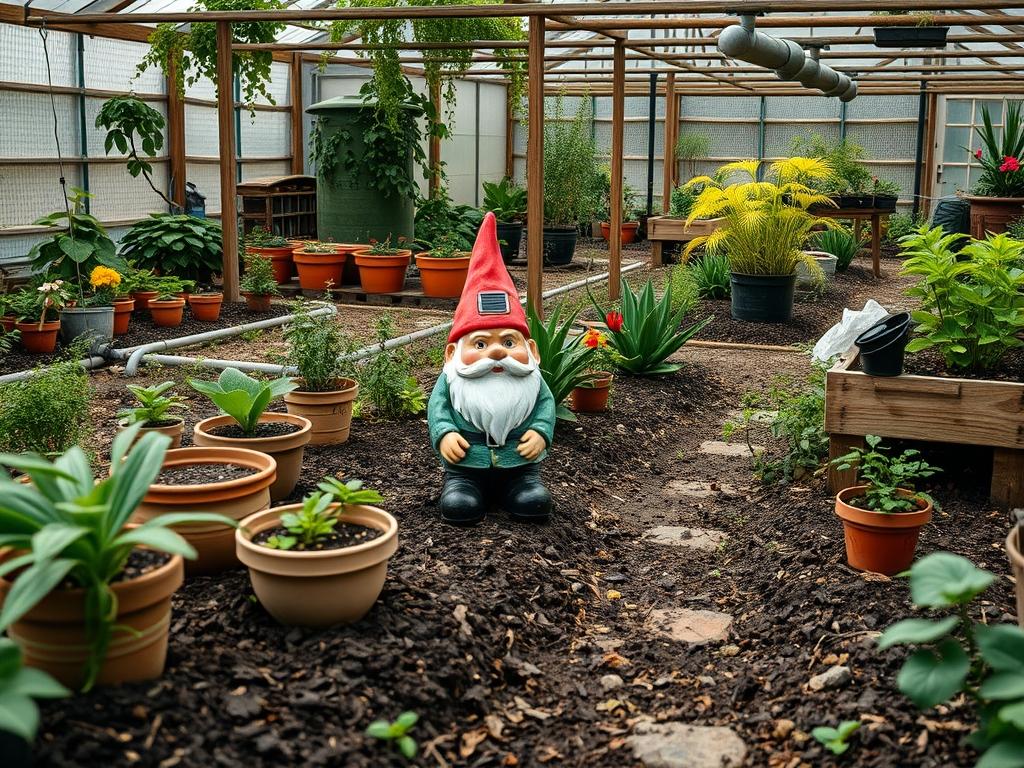
Designing a modern residential landscape requires a delicate balance between structural integrity and aesthetic whimsy. Many homeowners struggle with dark pockets in their garden layout or a lack of personality in their hardscape designs. These challenges often involve managing elevation changes, ensuring proper drainage, and creating a cohesive flow between the manicured porch and the wilder edges of the property. Integrating functional art into these spaces has evolved significantly. The current Solar Garden Gnomes Top trends suggest that these figures are no longer mere lawn ornaments; they are now sophisticated lighting elements that serve as safety markers and focal points. When a landscape architect approaches a site, the goal is to enhance curb appeal while maintaining outdoor functionality. This involves more than just placing plants. It requires a deep understanding of how light interacts with shadow, how water moves across the Soil, and how different materials provide longevity to the environment.
Landscape Design Principles
Effective landscape design rests on the pillar of symmetry. While the natural world is often chaotic, the human eye seeks patterns to feel at ease. In a professional layout, symmetry is achieved by mirroring plantings or structural elements across a central axis, such as a Flagstone Walkway. When incorporating the Solar Garden Gnomes Top trends, these figures should be used to anchor corners or define the transition from a low-lying garden bed to a higher elevation. Focal points are essential for directing movement through the yard. A well placed statue with integrated solar lighting acts as a beacon, drawing the eye toward specific site features like a Japanese Maple or a custom Retaining Wall.
Elevation layers add depth to a flat yard. By using Pressure-Treated Timber or Natural Stone, a designer can create tiered planters that lift the foliage closer to eye level. This layering allows for more complex irrigation planning. Water naturally flows toward the lowest point of the terrain, making it vital to install a French Drain or a dry creek bed if the property suffers from pooling. Walkways should be at least 36 inches wide to allow for comfortable passage and should be lined with materials that prevent soil erosion. Visual balance is maintained by mixing textures, such as the soft needles of a Creeping Juniper against the smooth surface of a Basalt Boulder.
Plant and Material Selection
Choosing the right vegetation is the foundation of any successful garden. The plants must be compatible with the local climate and the specific microclimates of the yard, such as the shaded area beneath a Pergola or the heat reflected off a Brick Siding wall.
| Plant Type | Sun Exposure | Soil Needs | Water Demand | Growth Speed | Maintenance Level |
| :— | :— | :— | :— | :— | :— |
| English Lavender | Full Sun | Well-drained | Low | Moderate | Prune annually |
| Hostas | Full Shade | Organic-rich | Medium | Fast | Divide every 3 years |
| Boxwood Shrub | Partial Sun | Loamy | Medium | Slow | Monthly trimming |
| Blue Star Creeper | Full/Partial Sun | Moist | High | Fast | Minimal |
| Ornamental Grass | Full Sun | Sandy/Rocky | Low | Fast | Cut back in spring |
| Dwarf Conifer | Full Sun | Acidic | Medium | Very Slow | Extremely Low |
Beyond the plants, the selection of Mulch and Geotextile Fabric is critical for weed suppression and moisture retention. A layer of 3 inches of Hardwood Mulch protects the root systems from temperature spikes while providing a clean, dark background that makes solar lighting elements pop during the evening hours.
Implementation Strategy
The implementation of a professional backyard layout begins with a thorough site analysis and grading. Before any Shovel hits the ground, the slope of the land must be assessed to ensure water moves away from the foundation of the home. Once the grade is established, the next step is edging. Using Steel Edging or Plastic Landscape Borders creates a sharp transition between the lawn and the planting beds, preventing grass from invading the specialized soil mixes.
For hardscaping elements like patios or walkways, a base of Crushed Stone or Paver Base is necessary. This should be compacted using a Plate Compactor to prevent settling over time. When placing items from the Solar Garden Gnomes Top collection, consider the solar azimuth. These units require at least 6 hours of direct sunlight to function optimally at night. Place them in areas where they will not be shaded by the canopy of a White Oak or the shadow of a Privacy Fence. After the hardscape is set, the planting begins. Dig holes that are twice the width of the root ball but no deeper than the original pot. This encourages outward root growth into the native soil. Finish the project by applying a Slow-Release Fertilizer and a thorough watering to settle the ground.
Common Landscaping Failures
The most frequent mistake in residential landscaping is poor drainage. If a site is not properly graded, water will collect in “basins,” leading to root rot and the death of expensive specimens. Another common error is root overcrowding. Homeowners often buy small plants and place them too close together, failing to account for their mature width. This leads to a lack of air circulation, which invites fungal diseases like powdery mildew. Improper spacing also makes it difficult to maintain individual plants without damaging their neighbors.
Soil compaction is another silent killer of healthy landscapes. This occurs when heavy machinery or constant foot traffic compresses the air pockets out of the Topsoil, preventing oxygen and water from reaching the roots. To fix this, use an Aerator or integrate Organic Compost to restore soil structure. Irrigation inefficiencies also plague many yards. Over-watering is just as damaging as under-watering; it wastes resources and leaches nutrients out of the ground. Finally, failing to consider the “shadow cast” of structures can lead to solar-powered elements failing to charge, rendering the Solar Garden Gnomes Top features useless after sunset.
Seasonal Maintenance
A landscape is a living entity that requires consistent care throughout the year. In the spring, the focus is on cleanup and preparation. This involves removing dead foliage from the previous winter, applying a fresh layer of Bark Mulch, and checking the irrigation system for leaks. It is also the ideal time to test the solar panels on your garden ornaments. Use a Microsoft Cloth to wipe away dust and pollen from the photovoltaic cells to ensure maximum charging efficiency.
Summer maintenance is dominated by water management and pest control. During heatwaves, deep watering early in the morning is essential to minimize evaporation. Monitor plants for signs of stress, such as wilting or leaf scorch. In the autumn, the priority shifts to leaf removal and winterization. Raking leaves prevents them from matting down and smothering the grass. It is also the time to plant spring bulbs and apply a Winterizer Fertilizer to help the lawn store nutrients. During the winter, protect sensitive shrubs with Burlap Wraps. If you live in a region with heavy snow, it may be wise to bring solar elements inside or clear them frequently so they do not become buried and damaged by the freeze-thaw cycle.
Professional Landscaping FAQ
How can I improve my yard’s drainage without heavy equipment?
You can install a rain garden or a small swale filled with River Rock. These features capture runoff and allow it to percolate slowly into the ground, reducing the load on your local storm drains while nourishing moisture-loving plants.
What is the best way to clean my solar garden statues?
Use a mixture of warm water and mild dish soap with a soft sponge. Never use abrasive chemicals or Steel Wool, as these can scratch the solar film. Regular cleaning ensures the Solar Garden Gnomes Top trends stay bright all season.
Why are my plants turning yellow despite regular watering?
This is often a sign of over-watering or poor drainage. When roots sit in stagnant water, they cannot intake oxygen, leading to chlorosis. Check the soil moisture at a depth of 4 inches before adding more water to the system.
How deep should my mulch layer be for weed control?
A depth of 2 to 3 inches is ideal. Any deeper can suffocate the roots and prevent water from reaching the soil; any shallower will not provide enough darkness to stop weed seeds from germinating in the garden beds.
Can I leave solar lights out during the winter months?
Most high-quality solar elements are designed for outdoor use. However, freezing temperatures can reduce battery life. If the items are light and delicate, storing them in a basement or garage until the spring thaw is a safer long-term strategy.