
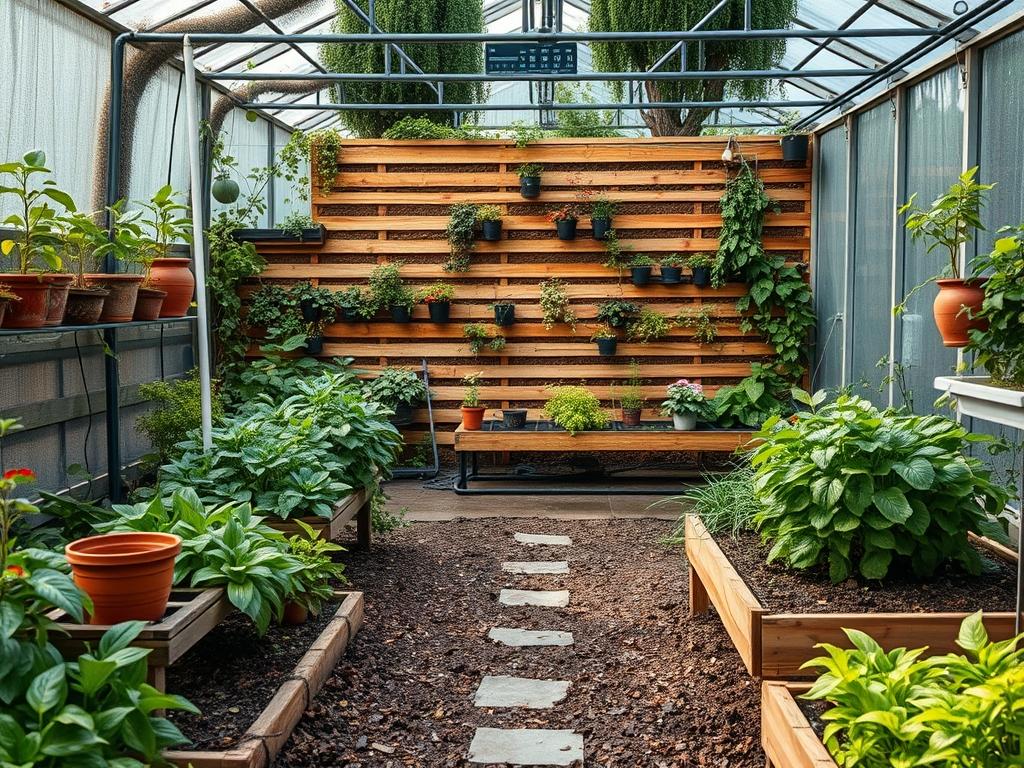
Creating a sanctuary within the modern residential landscape requires more than just a peripheral boundary; it necessitates a sophisticated understanding of spatial psychology, structural integrity, and botanical harmony. The pursuit of Backyard Privacy Walls Top materials often begins with a desire for seclusion, yet the most successful executions treat these barriers as structural anchors for the entire outdoor living environment. A well-designed wall does not merely block a neighbor’s view. It serves as a windbreak, a sound dampener, and a vertical canvas for light and shadow. When we approach a site as landscape architects, we evaluate the microclimate, the existing topography, and the architectural language of the home to ensure that the transition from the interior to the exterior is seamless and intentional.
Determining the right approach involves balancing hardscape durability with the soft, organic textures of high-performance plantings. Homeowners often find themselves torn between the immediate coverage of a physical fence and the evolving beauty of a living screen. However, the most resilient designs often combine both elements. For instance, a pressure-treated timber frame can support a trellis of climbing vines, providing immediate structural presence while allowing the natural elements to fill the gaps over time. This layered strategy addresses the dual needs of functionality and curb appeal. A harsh, monolithic wall can feel oppressive in a small lot, but by utilizing varying heights and textures, we can create a sense of depth that makes a backyard feel more expansive than its physical square footage suggests.
Landscape Design Principles
Effective landscape design relies on a hierarchy of visual interest, where the privacy wall acts as the backdrop for a carefully choreographed sequence of experiences. Symmetry is often used to create a Sense of Order near the primary viewing areas, such as a patio or outdoor kitchen, while asymmetrical groupings of trees can provide a more organic feel toward the property edges. Focal points are essential; a fountain or a sculptural specimen tree placed against a dark composite wood wall draws the eye inward, distracting from the world beyond the boundary.
Elevation layers are critical for managing sightlines. By utilizing retaining walls made of natural stone or interlocking concrete blocks, we can raise the planting beds by 18 inches to 24 inches. This elevation brings the root zone closer to eye level and allows smaller, more decorative plants to contribute to the privacy screen earlier in their growth cycle. Furthermore, irrigation planning must be integrated into the initial layout. A perforated drip line buried beneath 3 inches of premium cedar mulch ensures that the moisture reaches the roots directly, reducing evaporation and preventing the rot that often occurs when overhead sprinklers strike the surface of a wooden or metal wall repeatedly.
Walkways should act as the circulatory system of the garden, guiding movement while respecting the privacy zones. Using flagstone or paver stones set in crushed granite provides a stable, permeable surface that prevents pooling near the base of walls. Visual balance is achieved by counteracting the height of a 6 foot or 8 foot privacy barrier with medium-height shrubs and low-lying groundcovers. This three-tier planting strategy prevents a “walled-in” sensation, replacing it with a lush, immersive environment that feels protected rather than confined.
Plant and Material Selection
The success of any Backyard Privacy Walls Top installation depends heavily on selecting materials and species that thrive in the specific environmental conditions of the site. Below is a professional guide to the most reliable botanical choices for vertical screening.
| Plant Type | Sun Exposure | Soil Needs | Water Demand | Growth Speed | Maintenance Level |
| :— | :— | :— | :— | :— | :— |
| Green Giant Arborvitae | Full Sun to Part Shade | Well-drained, fertile | Moderate | Fast (3 feet/year) | Low |
| Leyland Cypress | Full Sun | Adaptable, avoids clay | High during youth | Very Fast | High (requires pruning) |
| Nellie R. Stevens Holly | Full Sun to Part Shade | Acidic, moist | Moderate | Medium | Low |
| Clumping Bamboo | Full Sun to Part Shade | Loamy, rich | High | Rapid | Medium (containment) |
| Skip Laurel | Part Shade to Full Shade | Well-drained | Moderate | Medium | Low |
| Star Jasmine | Full Sun to Part Shade | Well-drained | Moderate | Fast | Moderate (training) |
In addition to plant life, the material selection for the wall itself dictates the longevity of the project. Ipe wood and Western Red Cedar are favored for their natural rot resistance and rich aesthetic. For a more industrial or contemporary look, Corten steel panels offer a unique patina that evolves over time. If sound reduction is the priority, mass-loaded vinyl inserts or masonry with stucco finishes provide the density required to deflect street noise.
Implementation Strategy
Planning a backyard layout begins with an accurate site survey. We use transit levels and grade stakes to determine the slope of the land. If the site has more than a 2 percent grade, professional grading is required to prevent water from pooling against the wall structure. Trenching for footings must extend below the frost line, which varies by region, to prevent the wall from heaving during winter months.
Once the structural foundation is set, we turn our attention to the softscape. Edging is more than an aesthetic choice; it creates a physical barrier that prevents grass from encroaching into the garden beds and keeps hardwood mulch in place. We recommend a 4 inch deep edge, either hand-cut or defined by steel edging. Drainage is the next priority. French drains consisting of 4 inch perforated pipe and 1 inch river rock should be installed behind any masonry or retaining walls to relieve hydrostatic pressure. Without proper drainage, even the most expensive Backyard Privacy Walls Top materials will eventually fail due to soil expansion or moisture trapped against the surface.
Hardscaping elements, such as built-in benches or fire pits, should be integrated during this phase. By anchoring a cantilevered bench directly to a reinforced concrete wall, you save space and create a seamless look. Finally, the installation of landscape lighting at the base of the wall can transform the space at night. Up-lighting against the texture of a stacked stone wall or the foliage of an Evergreen Magnolia adds a layer of security and architectural drama.
Common Landscaping Failures
The most frequent mistake in private garden design is the failure to account for the mature size of plants. A Green Giant Arborvitae may look manageable in a 5 gallon pot, but within a decade, it can reach a width of 12 feet. Improper spacing leads to root overcrowding, which starves the plants of nutrients and creates stagnant air pockets where fungal diseases thrive. We advise clients to plant for the future, even if it means the garden looks a bit sparse for the first two seasons.
Another critical failure is the “bathtub effect,” which occurs when a hole is dug in heavy clay soil and filled with light, porous potting mix. Water accumulates in the hole because it cannot penetrate the surrounding clay, essentially drowning the root ball. To fix this, the entire planting bed should be amended with organic compost and expanded shale to improve overall structure. Soil compaction from heavy machinery during the construction of a wall is another silent killer. Compacted soil lacks the pore space necessary for oxygen to reach the roots; therefore, mechanical aeration or the addition of liquid soil conditioners is often necessary before planting begins.
Seasonal Maintenance
A landscape is a living entity that requires consistent management to maintain its integrity. In the spring, the focus is on renewal. We recommend a fresh application of slow-release fertilizer and a 3 inch layer of mulch to suppress weeds and retain moisture. This is also the time to inspect the structural components of your Backyard Privacy Walls Top for any winter damage, such as loose fasteners or cracked masonry.
Summer maintenance revolves around water management. During extreme heat, irrigation systems should be monitored to ensure they are delivering deep soakings rather than frequent, shallow sprays. Pruning should be kept to a minimum during the height of summer to avoid stressing the plants. As autumn arrives, it is time for the “big clean.” Remove fallen leaves from the base of the walls to prevent moisture buildup and pest nesting. This is also the ideal window for planting new trees, as the cooler air and warm soil encourage rapid root development. Finally, in winter, we focus on structural stability. Turn off irrigation lines and drain the pipes to prevent freezing. If you have chosen natural wood fencing, applying a UV-resistant sealant every two to three years during a dry winter spell will significantly extend the life of the material.
Professional Landscaping FAQ
Which material is best for blocking loud traffic noise?
A dense, solid barrier such as poured concrete, masonry, or thick stone provides the best sound attenuation. For maximum effectiveness, the wall should have no gaps and be tall enough to break the line of sight between the ear and the noise source.
How do I prevent my wooden privacy wall from rotting?
Ensure all posts are set in gravel for drainage before pouring concrete. Use pressure-treated lumber or naturally rot-resistant woods like cedar or ipe. Maintain a 2 inch gap between the bottom of the fence and the soil to prevent moisture wicking.
Can I grow a privacy screen in a very narrow space?
Yes, use espaliered trees or climbing vines on a wire trellis. Species like Star Jasmine or Sky Pencil Holly offer vertical growth with a very small horizontal footprint, making them ideal for tight side yards and urban corridors.
What is the best way to handle a sloped backyard boundary?
Step the wall panels in increments to follow the grade, or install a terraced retaining wall system. Stepping the wall maintains a level top line while the base follows the terrain, which is generally more aesthetically pleasing than a slanted fence.
How often should I mulch my privacy planting beds?
Apply a fresh 3 inch layer of shredded hardwood mulch once per year, preferably in early spring. This regulates soil temperature, conserves moisture for the root systems of your screening plants, and adds organic matter back into the soil as it decomposes.