
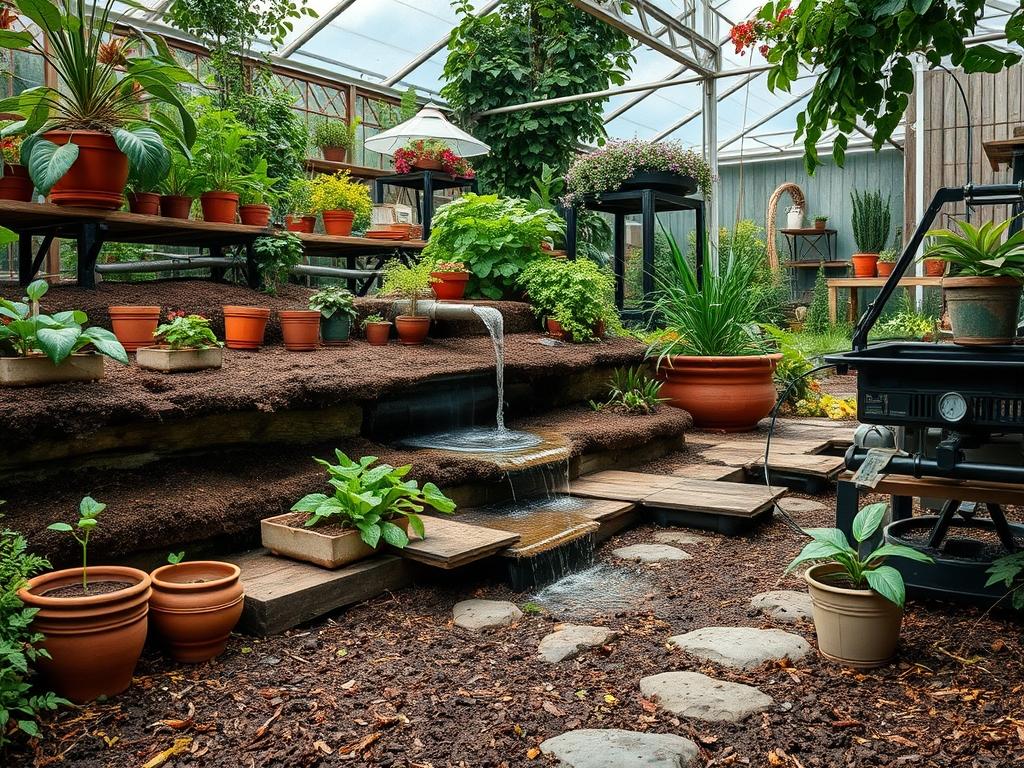
Creating a dynamic water feature requires more than just digging a hole and plugging in a pump. It is an exercise in topographical engineering and sensory design. The primary landscaping challenge involves integrating a vertical element into a horizontal plane without it appearing forced or unnatural. Successful backyard waterfall basics involve understanding how water interacts with light, stone, and vegetation to create a cohesive outdoor living environment. Climate considerations play a vital role, as evaporation rates in arid regions or freezing cycles in northern latitudes dictate the depth of the reservoir and the durability of the EPDM liner. Beyond the aesthetics, a well-executed waterfall significantly boosts curb appeal by masking traffic noise and creating a private sanctuary. It transforms a static backyard into a functional ecosystem that invites local wildlife and provides a cooling effect during peak summer months.
The architectural integrity of a waterfall rests on its relationship with the existing landscape. A common error is placing the feature in a high spot where a natural spring would never occur. Instead, architects look for natural depressions or use retaining walls to create tiered elevation. This allows for a multi-layered visual experience where the water can tumble over several “drops” rather than a single, stark fall. Outdoor functionality is maximized when the waterfall is positioned near a seating area or patio, ensuring the acoustic benefits are enjoyed where people gather. By considering the sightlines from both the interior of the home and the primary outdoor lounging zones, the water feature becomes a year-round focal point that anchors the entire property design.
Landscape Design Principles
Symmetry and visual balance are the hallmarks of a professional water feature. However, in nature, symmetry is rarely perfect. Designers aim for an asymmetrical balance that feels organic. This is achieved by using varying sizes of fieldstone and river rock to break up the lines of the waterfall weir. Focal points should be established through the use of “character boulders,” which are large, uniquely shaped rocks placed at the transition points where the water changes direction. These stones should be buried at least 2 inches to 4 inches deep to look like they have been part of the landscape for centuries.
Elevation layers are essential for creating sound diversity. A thin sheet of water falling into a deep pool produces a low, echoing bass note; conversely, water splashing against shallow rocks creates a bright, high-pitched chatter. By adjusting the scupper width or the height of the falls, a landscape architect can tune the backyard like a musical instrument. Irrigation planning must also be integrated into the design. Even though the waterfall is a closed system, an auto-fill valve connected to a 0.5-inch PVC line prevents the pump from burning out due to evaporation. Furthermore, surrounding walkways should lead the viewer toward the water, utilizing flagstone or paver stones that complement the rock used in the waterfall itself.
Plant and Material Selection
The transition between the water and the terrestrial landscape is bridged by plant selection. Choosing species that thrive in high-humidity microclimates or saturated soil is critical for a lush appearance.
| Plant Type | Sun Exposure | Soil Needs | Water Demand | Growth Speed | Maintenance Level |
| :— | :— | :— | :— | :— | :— |
| Japanese Iris | Full Sun | Rich, Moist | High | Moderate | Medium |
| Creeping Jenny | Part Shade | Moist | High | Fast | Low |
| Pickerel Weed | Full Sun | Aquatic Mud | High | Moderate | Low |
| Sweet Flag | Sun to Shade | Wet | High | Slow | Low |
| Marsh Marigold | Part Shade | Saturated | High | Slow | Medium |
| Blue Flag Iris | Full Sun | Heavy Clay/Wet | High | Moderate | Low |
| Liriope | Part Shade | Well-Drained | Moderate | Fast | Low |
| Canna Lily | Full Sun | Rich, Moist | High | Fast | Medium |
For structural materials, use a 45 mil EPDM pond liner because of its flexibility and resistance to UV rays. Beneath the liner, a geotextile underlayment protects against punctures from sharp stones or invasive roots. Natural stone selection should favor local geology to ensure the feature looks indigenous. Basalt, Granite, or Sandstone are typically chosen for their durability and lack of mineral leaching that could affect water pH levels.
Implementation Strategy
The first phase of implementation is a precise site layout. Use marking paint to outline the upper pool, the stream bed, and the lower catch basin. If you are building a pondless waterfall, the lower basin will be filled with matrix blocks and 3-inch decorative gravel to hide the submersible pump. Grading is the most technical part of the process. The stream bed must maintain a consistent slope of at least 2 percent to ensure the water flows forward rather than pooling or backing up.
Once excavation is complete, the underlayment and liner are draped over the contours. It is vital to leave plenty of slack so the weight of the water and stones does not tear the material. When placing the spillway rocks, use expandable waterfall foam to seal the gaps behind and beneath the stones. This forces the water over the top of the rock rather than letting it bypass the falls and disappear into the gravel. After the rocks are set, spread 3 inches of shredded hardwood mulch around the exterior perimeter to retain moisture for the surrounding landscape. Ensure your drainage strategy includes an overflow pipe to direct excess rainwater away from the foundation of the house during heavy storms.
Common Landscaping Failures
The most frequent failure in backyard waterfalls is improper drainage. If the surrounding soil is not graded away from the feature, surface runoff can carry silt, lawn fertilizers, and pesticides into the water, leading to toxic algae blooms. Soil compaction is another hidden enemy. If the soil beneath the heavy boulders is not properly tamped down during the installation of the retaining walls, the rocks will shift over time, causing the liner to stretch and eventually leak.
Root overcrowding often occurs when fast-growing trees, such as willow or poplar, are planted too close to the water. Their aggressive root systems can pierce even the thickest liners or clog the check valve in the plumbing line. Additionally, many homeowners undersize their pumps. A pump that cannot move the total volume of the feature at least once per hour will result in stagnant water and mosquito breeding grounds. Finally, leaving the liner exposed to direct sunlight is a structural mistake; the UV exposure degrades the rubber, leading to brittleness and cracks within a few years.
Seasonal Maintenance
Spring maintenance involves a thorough cleaning of the skimmer basket and the biological filter. As the weather warms, check the plumbing for any cracks that may have occurred during the freeze. This is the best time to thin out native plants that have become too dense over the winter. During the summer, the primary focus is water level management. Evaporation can occur at a rate of 1 inch to 2 inches per week depending on the wind and heat. Monthly testing of the water for ammonia and nitrates ensures the ecosystem remains healthy for any fish or beneficial bacteria.
In autumn, the priority shifts to debris management. Falling leaves can quickly overwhelm the filtration system and cause the water to turn tea-colored due to tannins. Installing a temporary pond net over the surface can save hours of labor. When winter arrives, homeowners in cold climates must decide whether to run the waterfall or shut it down. If the pump is left running, the moving water will often create beautiful “ice castles,” but you must monitor the feature to ensure ice dams do not deflect the water out of the liner. If you choose to shut it down, the submersible pump should be removed and stored in a bucket of water in a frost-free garage to prevent the seals from drying out.
Professional Landscaping FAQ
How do I choose the right size pump for my waterfall?
Determine the “head height” by measuring the vertical distance from the water surface to the top of the falls. You typically need 1,500 GPH (Gallons Per Hour) for every 12 inches of weir width to achieve a full flow.
Is a pondless waterfall better than a traditional pond?
Pondless designs are generally lower maintenance and safer for families with small children. They provide the same sights and sounds as a traditional waterfall without the chemical balancing or debris management required for an open basin of water.
How do I hide the edges of the black rubber liner effectively?
Use a combination of “framing stones” and “tuck-ins.” Fold the excess liner into a small trench and weigh it down with river rock. Ensure the rock extends above the water line to completely obscure the material from view.
What is the best way to prevent algae growth without chemicals?
Incorporate a biological filter and plenty of aquatic plants like Sweet Flag. These plants compete with algae for the same nutrients. Additionally, ensuring the water is well-aerated through the waterfall action limits the conditions that algae prefer.
How deep should the lower reservoir be for the pump?
For a standard backyard feature, a depth of 18 inches to 24 inches is sufficient. This provides enough water volume to keep the pump submerged and cool even during periods of high evaporation between refills.