
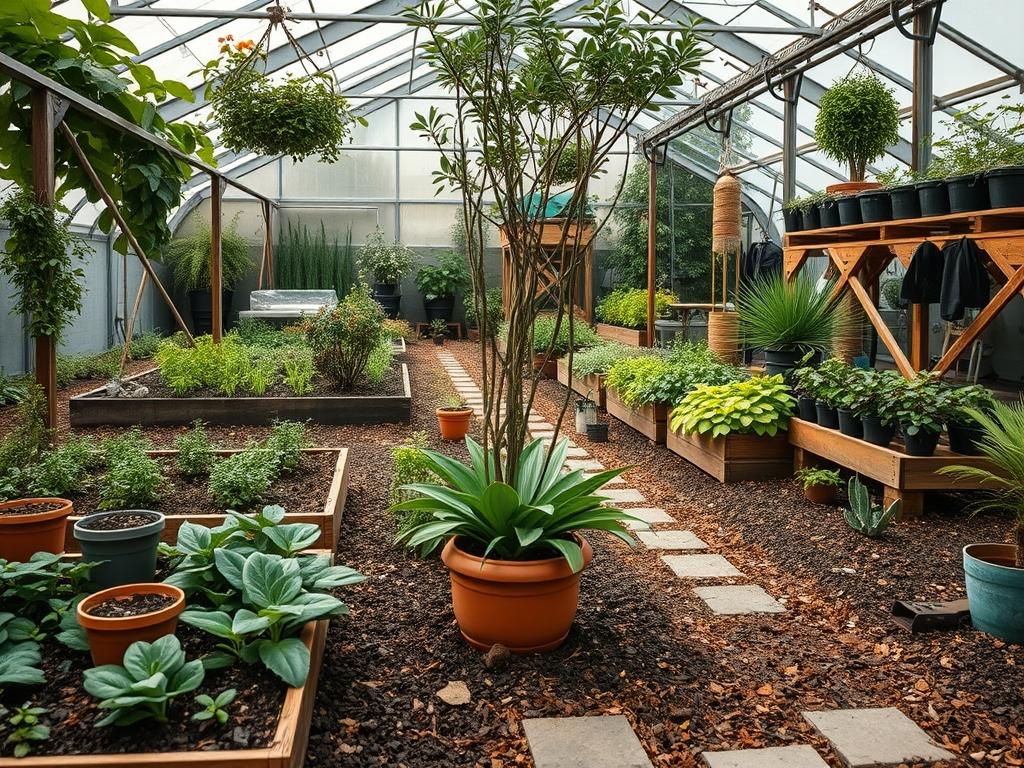
Selecting a specimen for your property is a multi-generational decision that dictates the visual narrative of your home for decades. A successful front yard tree selection does more than just provide shade; it establishes a structural anchor for the entire landscape architecture and significantly increases the financial valuation of the real estate. When we approach a professional site analysis, we look beyond the aesthetic appeal of a flowering branch. We must evaluate the biological requirements of the species against the specific constraints of the built environment. This includes analyzing the proximity to the primary structure, the location of underground utilities, and the prevailing local climate patterns. A tree that appears proportional in a five gallon nursery container can easily grow to a height of 50 feet with a root system that spans 20 feet in every direction. Failure to account for these scales results in cracked foundations, disrupted sewer lines, and restricted sightlines that compromise property security. By integrating architectural principles with horticultural science, a homeowner can curate an outdoor space that provides cooling benefits, privacy, and a sense of permanence.
Landscape Design Principles
Effective front yard tree selection relies on the fundamental concept of scale and proportion. A common mistake is placing a massive Evergreen too close to a single story ranch house, which dwarfs the architecture and creates an oppressive atmosphere. Instead, landscape architects use trees to frame the house, leading the eye toward the front entrance. If your home has a symmetrical facade, placing identical specimens on either side of the walkway can reinforce that formal aesthetic. For asymmetrical contemporary homes, a single, large focal point tree placed at a one third interval from the corner of the house often creates a more pleasing visual balance.
Elevation also plays a critical role in how a tree integrates with the master plan. If your yard has a significant slope, you might utilize a retaining wall to create a level planting pocket. This prevents soil erosion and ensures that water reaches the root zone rather than sheeting off the surface. When planning these areas, consider the “layers” of the landscape. The tree serves as the ceiling, while shrubs act as the walls and groundcover serves as the floor. By selecting a tree with a high canopy, such as a Honey Locust, you allow enough sunlight to reach the lower tiers of the garden. This multi-layered approach creates depth and complexity, making even a small front yard feel like a curated botanical environment. Furthermore, ensure that the tree does not interfere with the irrigation zones. Large root systems can easily crush thin-walled PVC pipes, so plan your drip irrigation or spray heads at a safe distance from the primary trunk.
Plant and Material Selection
The following table outlines high-performance species commonly recommended for residential front yards. These selections prioritize structural integrity, aesthetic interest across multiple seasons, and manageable maintenance profiles.
| Plant Type | Sun Exposure | Soil Needs | Water Demand | Growth Speed | Maintenance Level |
| :— | :— | :— | :— | :— | :— |
| Japanese Maple | Partial Shade | Well-drained, Acidic | Moderate | Slow | Low |
| White Oak | Full Sun | Deep, Loamy Soils | Low (Once Mature) | Slow | Moderate |
| Serviceberry | Full to Part Sun | Moist, Well-drained | Moderate | Medium | Low |
| Eastern Redbud | Part Shade | Adaptable/Variable | Moderate | Medium | Moderate |
| Ginkgo Biloba | Full Sun | Adaptable/Sandy | Low | Slow | Very Low |
| Dogwood | Partial Shade | Rich, Organic Matter | High | Medium | Moderate |
When selecting your material, always opt for native plants whenever possible. Native species have co-evolved with local pest populations and weather extremes, meaning they generally require less supplemental irrigation and chemical intervention. For instance, a White Oak provides immense ecological value by supporting hundreds of species of local lepidoptera, whereas an imported exotic may offer little to the local nitrogen cycle or food web.
Implementation Strategy
The process of installing a new tree begins long before the first shovel hits the dirt. You must first conduct a percolation test to determine how quickly your soil drains. Dig a hole 12 inches deep and fill it with water. If it takes more than 24 hours to drain, you have a drainage issue that must be addressed through grading or the installation of a French drain. Without proper drainage, any tree you plant will eventually suffer from root rot due to anaerobic soil conditions.
Once the site is prepared, the actual planting hole should be dug significantly wider than the root ball, ideally two to three times the width, but no deeper than the height of the root ball. One of the most frequent causes of tree mortality is planting too deep. You must locate the root flare, where the trunk expands at the base, and ensure it remains visible above the final grade. If you bury the flare, the bark will begin to decay, and the tree will be strangled by its own adventitious roots. After placing the tree, backfill with the native soil you removed. Do not heavily amend the hole with potting soil or compost. If the soil in the hole is too rich, the roots may never venture out into the surrounding native earth, leading to a weak, “pot-bound” tree that can tip over in high winds. Finish the installation with a 3 inch layer of organic hardwood mulch spread in a wide circle, keeping the mulch a few inches away from the trunk itself.
Common Landscaping Failures
The most prevalent failure in front yard tree selection is the neglect of the “mature spread” variable. Homeowners often choose a tree based on its beauty at the nursery without researching its size at 20 years of age. This leads to root overcrowding, where the tree competes with existing turf or nearby shrubs for limited nutrients and water. Furthermore, planting trees too close to hardscaping like driveways or sidewalks will eventually result in the roots lifting the concrete, creating trip hazards and expensive repair bills.
Another critical error is “volcano mulching,” the practice of piling mulch high against the trunk of the tree. This traps moisture against the bark, inviting fungal pathogens and wood-rotting insects. Proper irrigation management is also frequently misunderstood. Many homeowners rely on their lawn sprinklers to water their trees. However, lawn irrigation usually only wets the top 2 inches of soil, which is insufficient for a deep-rooted tree. Trees require deep, infrequent watering that penetrates at least 12 to 18 inches into the soil profile to encourage a robust and stable root architecture.
Seasonal Maintenance
A proactive maintenance schedule ensures your front yard remains an asset rather than a liability. In the Spring, focus on structural pruning. Remove any “dead, damaged, or diseased” wood. This is also the time to apply a slow-release fertilizer if a soil test indicates a nutrient deficiency. As we move into Summer, the priority shifts to hydration. During periods of extreme heat or drought, use a soaker hose to provide deep moisture to the drip line of the canopy.
In the Autumn, your main task is sanitation. Rake up and compost fallen leaves to prevent the spread of foliar diseases like powdery mildew or anthracnose. Some species, like the Ginkgo, will drop all their leaves in a single 24 hour period, making cleanup efficient. Finally, in Winter, protect young trees from mechanical damage and extreme temperature swings. If you live in a region with heavy snowfall, use a burlap wrap to protect the trunks of young, thin-skinned trees from “sunscald” or rodent damage. This seasonal rhythm keeps the specimen healthy and minimizes the need for expensive emergency arborist interventions.
Professional Landscaping FAQ
How far should I plant a tree from my house?
Generally, a tree should be planted at a distance equal to at least half of its mature canopy width. For large species like Oaks, a minimum distance of 15 to 20 feet from the foundation is recommended for safety.
Will tree roots destroy my sewer lines?
Roots do not actively “attack” pipes; they grow toward moisture. If your pipes have existing cracks or leaks, roots will enter and expand the gaps. Using modern, seamless PVC piping and proper tree placement minimizes this risk significantly.
When is the best time of year to plant?
Late autumn and early spring are the ideal windows. During these dormant or semi-dormant periods, the tree can focus its energy on establishing a root system before the metabolic stress of high summer heat or the freezing of the ground.
Does a tree require specialized fertilizer?
Most trees do not need fertilizer if the soil is healthy. However, if growth is stunted, a professional soil test is required. If necessary, use a balanced, slow-release granular fertilizer applied at the drip line of the tree.
How much mulch is too much?
Never exceed a depth of 3 to 4 inches. The mulch should resemble a flat donut rather than a peaked volcano. Ensure there is a visible gap between the mulch and the bark of the trunk to prevent moisture-related decay.