
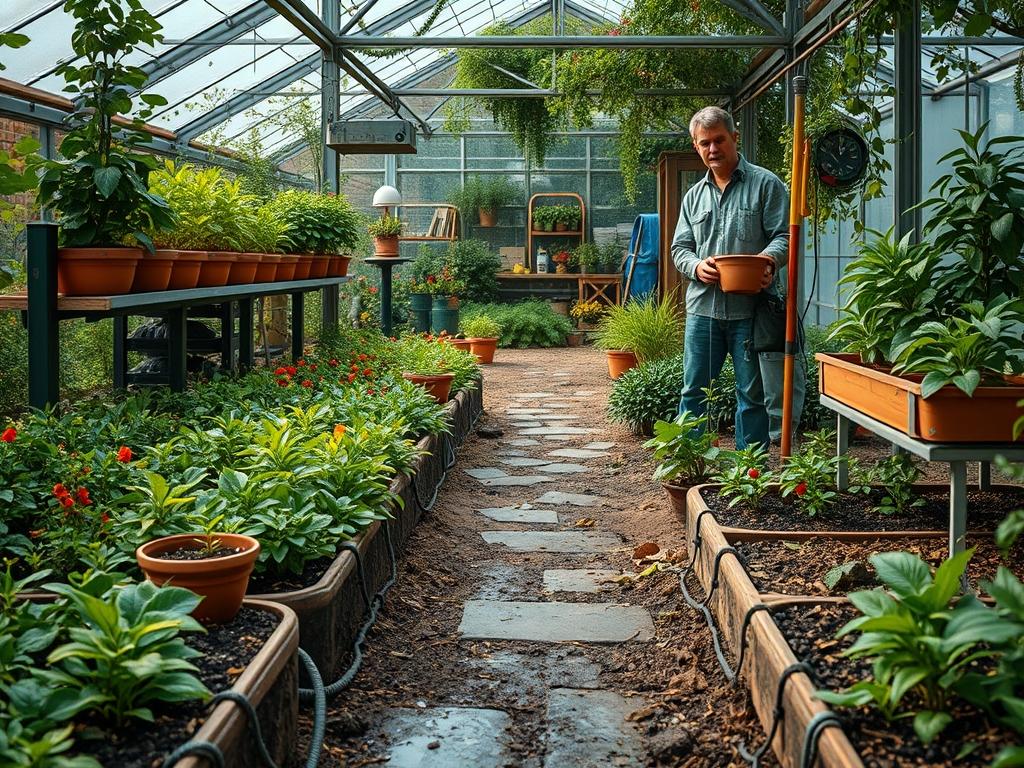
Navigating a dark entryway is more than a minor inconvenience; it is a significant liability and a missed opportunity for architectural expression. As a landscape architect, I see the transition from the street to the front door as the primary handshake between a residence and its visitors. When planning Pathway Lighting Ideas, the goal is to bridge the gap between safety and aesthetic allure without overextending a budget. Effective lighting design must account for local climate conditions, such as heavy snowfall that might bury low-profile fixtures or high-humidity environments that accelerate the corrosion of metal components. By integrating light into the broader landscaping plan, you create a cohesive environment that guides the eye and the foot simultaneously.
Curb appeal relies heavily on how shadows and light interact with various textures on the property. A well-lit path does not simply mean placing a row of bright orbs along a sidewalk. Instead, it involves calculating the beam spread of LED bulbs, understanding the reflectance of flagstone or paver stones, and ensuring that the illumination does not spill into the windows of the home or the eyes of the guests. Functionality is paramount. We want to highlight changes in elevation, such as steps or slopes, while softening the edges of the hardscape with organic shadows. Achieving this balance requires a strategic approach to design principles that go beyond the hardware itself.
Landscape Design Principles
Symmetry and visual balance are the cornerstones of a successful entry design. While it is tempting to mirror fixtures perfectly on both sides of a path, this can often create a “runway” effect that feels sterile and overly formal. Instead, consider staggered placements that lead the eye through the space in a natural rhythm. This approach respects the focal points of the garden, such as a mature Japanese Maple or a decorative Stone Fountain, by allowing the light to graze their surfaces rather than flooding them. Using light to define the perimeter of the walkway helps establish a sense of security, making the boundaries of the property clear even in the dead of night.
Elevation layers play a vital role in how we perceive the safety of a path. In a professional layout, we aim to light the “tread” of a step without creating a glare that obscures the “riser.” Incorporating recessed Step Lights or small Niche Lights into Retaining Walls ensures that the change in height is obvious to anyone walking at night. Furthermore, irrigation planning must be synchronized with electrical runs. You never want a high-pressure Sprinkler Head drenching a Transformer or a Junction Box. Visual balance is achieved when the intensity of the pathway lights matches the ambient glow of the porch light and any interior light spilling through the windows.
Plant and Material Selection
The following table outlines plants and materials that complement light installations by providing texture and manageable growth.
| Plant Type | Sun Exposure | Soil Needs | Water Demand | Growth Speed | Maintenance Level |
| :— | :— | :— | :— | :— | :— |
| Blue Star Creeper | Full Sun to Part Shade | Well-drained | Moderate | Fast | Low |
| Liriope Muscari | Partial Shade | Loamy | Low | Medium | Low |
| Dwarf Boxwood | Full Sun | Rich, moist | Moderate | Slow | Medium |
| Creeping Thyme | Full Sun | Sandy/Rocky | Low | Fast | Low |
| Mexican Feather Grass | Full Sun | Poor to Average | Very Low | Fast | Low |
| Pea Gravel | N/A | Compacted Sub-base | None | N/A | Low |
| Crushed Granite | N/A | Permeable | None | N/A | Low |
Selecting the right foliage ensures that your Pathway Lighting Ideas remain visible over time. Low-profile groundcovers like Creeping Thyme allow light to skim across the surface, highlighting the texture of the plant without obstructing the beam. Conversely, utilizing Dwarf Boxwoods can provide a structured anchor for taller Bollard Lights, creating a sophisticated transition between the lawn and the walkway.
Implementation Strategy
Planning a layout begins with a site analysis focused on grading and drainage. Before any hardware is purchased, use a Landscaping Tape Measure to mark out the path. Check for low spots where water might pool; these areas must be corrected with Fill Dirt or Polymer Sand before installing electrical components. Once the path is graded, install Edging to separate the garden beds from the walkway. Metal Edging or Plastic Borders help keep Wood Chips or Mulch at a consistent 2-inch depth, preventing debris from covering your fixtures.
The next step is the installation of the lighting system itself. For a budget-friendly but professional result, Low-voltage (12V) Systems are superior to line-voltage options because they do not require deep trenching or a licensed electrician in many jurisdictions. Dig a shallow trench, approximately 6 inches deep, using a Trenching Spade. Lay your 12-2 Gauge Landscape Wire along the path, leaving small loops of extra wire at each planned fixture location. This “slack” is essential for future adjustments if a plant grows larger than expected. After connecting the Transformer to a GFC-protected outlet, attach your fixtures using Waterproof Wire Connectors. Finally, backfill the trench and apply a fresh layer of Bark Mulch to hide the wiring and retain soil moisture for nearby plants.
Common Landscaping Failures
The most frequent mistake in entryway design is poor drainage leading to “swamping” of the fixtures. If a path is set lower than the surrounding lawn, it acts as a canal during heavy rain. This can short out Solar Lights or cause Low-voltage Fixtures to tilt as the soil turns to mud. To avoid this, ensure the walkway has a slight grade of 1 percent to 2 percent away from the home and any electrical connections. Another common failure is root overcrowding. Planting a large shrub too close to a light fixture might look good for one season, but within two years, the plant will completely swallow the light, creating a fire hazard or simply rendering the light useless.
Improper spacing is another hallmark of amateur DIY projects. Placing lights too close together creates “hot spots” of bright light followed by deep, dangerous shadows. Aim for a gentle overlap of the light beams to create a continuous wash of illumination. Soil compaction is often overlooked as well. If the soil around the lighting stakes is too hard, the stakes may break during installation or fail to stay upright during freeze-thaw cycles. Using a Post Hole Digger or a large Drill Bit to loosen the earth before inserting stakes can prevent hardware damage. Lastly, neglecting irrigation efficiencies can lead to mineral buildup on the lenses of the lights. Hard water from sprinklers leaves white crusts that significantly dim the light output over time.
Seasonal Maintenance
Landscape management is a year-round commitment. In the spring, your primary task is to inspect the system for “frost heave,” where the ground freezing and thawing has pushed stakes out of the earth. Re-seat any loose fixtures and prune back any Perennials that are beginning to crowd the light path. This is also the time to clean lenses with a soft cloth and non-abrasive cleaner to ensure maximum lumen output. During the summer, focus on moisture control. Ensure that Mulch levels remain at the recommended 3-inch thickness to keep the soil cool and prevent the ground from cracking around the wiring.
Autumn requires the removal of fallen leaves, which can be a fire hazard if they pile up against high-intensity bulbs. Wet leaves can also create a slick surface on Hardscaping, making the importance of functional lighting even higher. Adjust your Timers or Photo-cells as the days grow shorter to ensure the lights are on before the commute home begins. In winter, the focus shifts to protection. If you live in a climate with heavy snow, use Snow Markers to identify where your fixtures are located. This prevents them from being crushed by a snowblower or shovel. Avoid using rock salt or harsh de-icing chemicals near metal fixtures, as these will lead to rapid pitting and rust.
Professional Landscaping FAQ
How far apart should I space my pathway lights?
Ideally, space fixtures 6 to 8 feet apart. This creates a soft, overlapping glow rather than harsh, individual pools of light. It ensures the entire walking surface is visible without over-lighting the environment or wasting electricity.
Can I mix solar and low-voltage lighting?
Yes, but it is challenging to balance. Solar Lights are often cooler in color, around 5000K, while Low-voltage LEDs are warmer, around 2700K. Ensure the color temperatures match to maintain a professional, cohesive appearance across your entry.
What is the best mulch for lighting beds?
Double-shredded Hardwood Mulch is excellent because it stays in place and does not easily wash over the fixtures. Avoid light materials like Pine Straw or Cocoa Hulls in windy areas, as they can bury low-lying lights.
How do I prevent my lights from leaning?
Ensure the mounting stake is at least 8 to 10 inches long. For loose soil, consider securing the stake in a small “footing” of Ready-mix Concrete or packed Crushed Stone to provide a stable, vertical foundation.
Is it necessary to bury landscape wire in a conduit?
While not strictly required for 12-volt systems, using a PVC Conduit in high-traffic areas or under flower beds prevents accidental cuts from Shovels or Edgers. It is a low-cost way to ensure the long-term durability of your system.