
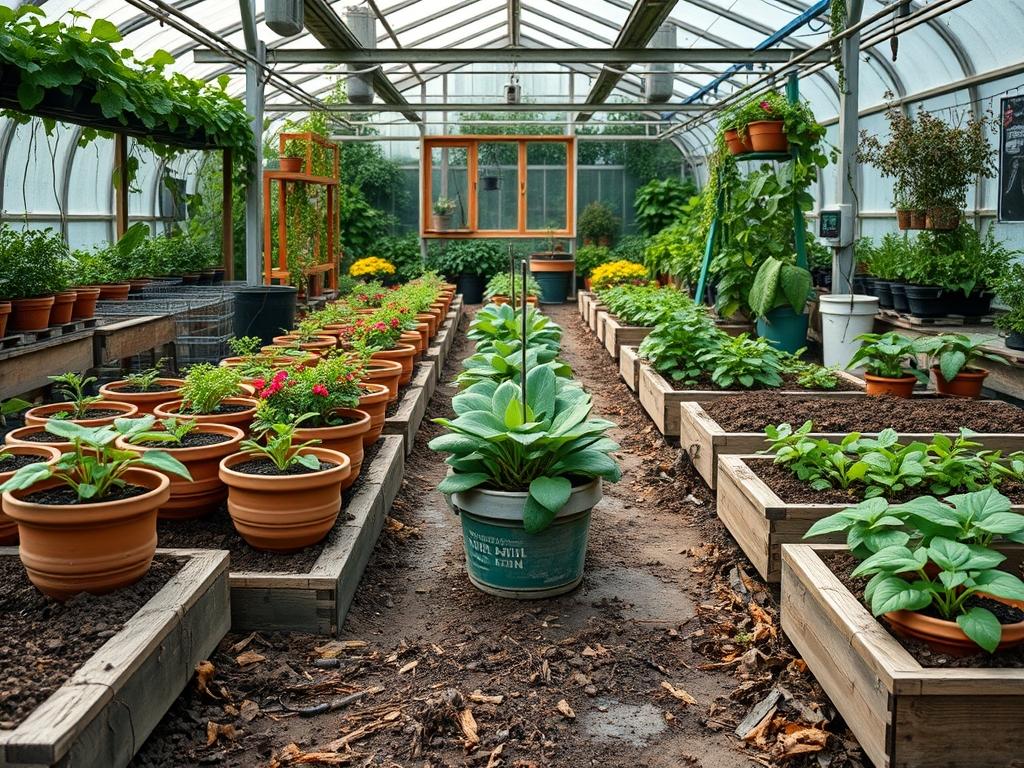
Symmetrical planting serves as the architectural backbone of formal landscape design, offering a sense of equilibrium and permanence that the human eye naturally finds soothing. This design philosophy relies on mirroring elements along a central axis to create a disciplined, orderly environment. Achieving professional results requires more than simply purchasing identical pairs of shrubs. It involves a sophisticated understanding of site grading, local microclimates, and long term biological growth patterns. When Symmetrical Planting Tips are applied correctly, they transform a standard yard into a curated estate, significantly increasing curb appeal and providing a structured framework for modern outdoor living.
The primary challenge in maintaining symmetry lies in the inherent unpredictability of nature. One side of a driveway might receive two more hours of sunlight than the other, or a slight change in elevation may cause water to pool around the roots of one specimen while the other remains dry. A senior landscape architect approaches these variables by first analyzing the environmental footprint of the property. We look for uniformity in soil quality, wind exposure, and moisture levels before a single hole is dug. The goal is to ensure that the identical plants not only look the same at the nursery but continue to grow at the same rate over the next decade.
Landscape Design Principles
The foundation of any symmetrical plan is the central axis. This is an imaginary line that bisects the space, originating from a significant architectural feature such as the center of a front door, a large window, or a retaining wall midpoint. To achieve professional balance, the designer must establish clear focal points at the end of these axes. This could be a tiered fountain, a piece of sculpture, or a singular specimen tree like a Japanese Maple. These anchors draw the eye through the landscape, making the symmetry feel intentional rather than accidental.
Visual balance is further achieved through elevation layering. Professionals rarely plant a single row of identical shrubs. Instead, we create depth by using a three-tier system. The foreground consists of low-profile groundcovers or creeping herbs that define the edge of the walkway. The midground features structural shrubs or perennials that provide the bulk of the visual weight. The background utilizes vertical accents, such as columnar evergreens, to provide height and privacy. This layering masks the soil and creates a lush, full appearance even in the dormant seasons.
Irrigation planning is perhaps the most overlooked aspect of symmetry. For two sides of a garden to grow identically, they must receive identical hydration. This requires a dedicated irrigation controller with zones split specifically to mirror the planting plan. Using pressure-compensating emitters ensures that the plant at the end of the line receives the exact same volume of water as the plant closest to the valve. Without this mechanical precision, one side of your symmetrical design will inevitably outpace the other, destroying the visual harmony you worked so hard to create.
Plant and Material Selection
| Plant Type | Sun Exposure | Soil Needs | Water Demand | Growth Speed | Maintenance Level |
| :— | :— | :— | :— | :— | :— |
| Boxwood (Buxus) | Full Sun to Shade | Well-Drained | Moderate | Slow | High (Trimming) |
| Sky Pencil Holly | Full Sun / Part Shade | Acidic / Moist | Moderate | Medium | Low (Natural Form) |
| Lavender (Munstead) | Full Sun | Sandy / Poor | Low | Medium | Moderate (Deadheading) |
| Dwarf Mugo Pine | Full Sun | Adaptable | Low | Very Slow | Very Low |
| Emerald Green Arborvitae | Full Sun | Loamy / Moist | Moderate | Medium | Low (Structural) |
| Hostas (Patriot) | Full Shade | Organic / Rich | High | Medium | Moderate (Dividing) |
Implementation Strategy
The process begins with precise site preparation. Before any plants are delivered, the area must undergo professional grading to ensure that water moves away from building foundations while remaining consistent across the planting beds. We use marking paint and string lines to map out the exact location of every root ball. Even a discrepancy of 3 inches can be visible once the plants mature, so using a laser level and a long-distance measuring tape is non-negotiable for professional results.
Once the layout is marked, the installation of hardscaping elements like pavers or retaining walls should occur. These permanent structures act as the “bones” of the garden. For symmetrical designs, the edging material, whether it is steel edging, cobblestone, or poured concrete, must be perfectly level. If the hardscaping is crooked, the plants will appear crooked by association. After the hardscape is set, we amend the soil in the entire bed rather than just the individual holes. This ensures that the nutrient density and porosity are uniform across the entire symmetrical zone.
When placing the plants, orient them so their “best side” faces the primary viewing angle. For shrubs like Boxwoods, check for any flat spots in the foliage and rotate them so these spots are hidden within the row. After planting, apply a consistent layer of shredded hardwood mulch at a depth of 3 inches. Ensure the mulch does not touch the base of the stems, as this can lead to rot. The mulch serves two purposes: it retains even moisture across the bed and provides a clean, dark backdrop that makes the green foliage pop.
Common Landscaping Failures
The most frequent error in symmetrical design is the failure to account for “light shadows.” If a large Oak tree or a neighbor’s house casts a shadow over only one half of your symmetrical garden, the plants in the shade will grow slower, have thinner foliage, and eventually lean toward the light. If the environmental conditions are not identical, you must choose “pseudo-symmetry,” where you use different species that have similar shapes and textures but different light requirements.
Another common mistake is improper spacing and root overcrowding. Many homeowners plant for immediate gratification, placing shrubs too close together. As these plants grow, their root systems compete for the same pocket of nutrients and water. Eventually, the weaker plant will begin to decline, creating a gap in your perfect mirror image. Always refer to the mature width of the plant and space them so that their edges just barely touch at full maturity.
Soil compaction during the construction phase also ruins symmetry. If heavy machinery was driven over one side of the planting bed but not the other, the compacted side will have poor drainage and low oxygen levels. This results in stunted growth. Subsurface drainage solutions, such as French drains or perforated pipes wrapped in filter fabric, should be installed if there is any doubt about the soil’s ability to shed water evenly.
Seasonal Maintenance
Seasonal care is what separates a professional landscape from an amateur one. During the spring, focus on structural pruning. Use bypass pruners to remove any winter dieback and apply a slow-release granular fertilizer with an even N-P-K ratio. This is the time to check your irrigation system for clogged nozzles or leaks that might have developed during the freeze-thaw cycle.
Summer maintenance revolves around moisture management and deadheading. Symmetrical gardens often feature perennials like Salvia or Lavender. Removing spent blooms encourages a second flush of flowers, keeping the color balanced on both sides of the path. Monitor the soil moisture using a handheld probe to ensure that the automatic system is delivering enough water during heatwaves.
In the autumn, the priority shifts to leaf removal and mulch replenishment. Fallen leaves can trap moisture against the crowns of your plants, leading to fungal issues. Once the ground begins to cool, add a fresh 1 inch layer of mulch to insulate the roots for winter. For evergreen-heavy symmetrical designs, this is also the time to apply an anti-desiccant spray to prevent windburn on species like Holly or Boxwood.
Winter is the season for “editing.” Without the distraction of flowers, the skeleton of the garden is visible. Use this time to identify any plants that have grown out of alignment. If a shrub is leaning, you may need to use arborist tape and wooden stakes to gently guide it back into a vertical position. Removing heavy snow loads from upright junipers or arborvitae is also critical to prevent the branches from splaying outward and ruining the symmetrical silhouette.
Professional Landscaping FAQ
How do I choose the right central axis for my garden?
Start by identifying the primary architectural feature of your home, such as the front door or a large central window. Extend an imaginary line from that point into the yard to serve as your guide for all symmetrical placements.
Can I achieve symmetry on a sloped property?
Yes, but it requires retaining walls or terracing. By creating level “steps” in the landscape, you can plant identical specimens on flat planes, preventing the crooked appearance that occurs when planting directly on a natural incline.
What happens if one of my symmetrical plants dies?
Replace it immediately with the same species and size. If the surrounding plants are significantly larger, you may need to prune them back or source a “nursery-up” specimen from a specialized grower to bridge the size gap quickly.
Are native plants suitable for formal symmetrical designs?
Absolutely. Many native plants, such as Yaupon Holly or Oakleaf Hydrangea, respond well to pruning and offer the structural integrity required for symmetry while providing superior drought tolerance and support for local pollinators.
How often should I prune my symmetrical hedges?
Most formal hedges require trimming twice a year: once in late spring after the initial growth flush and again in late summer. Use electric hedge shears for long straight lines and hand snips for detailed shaping.