
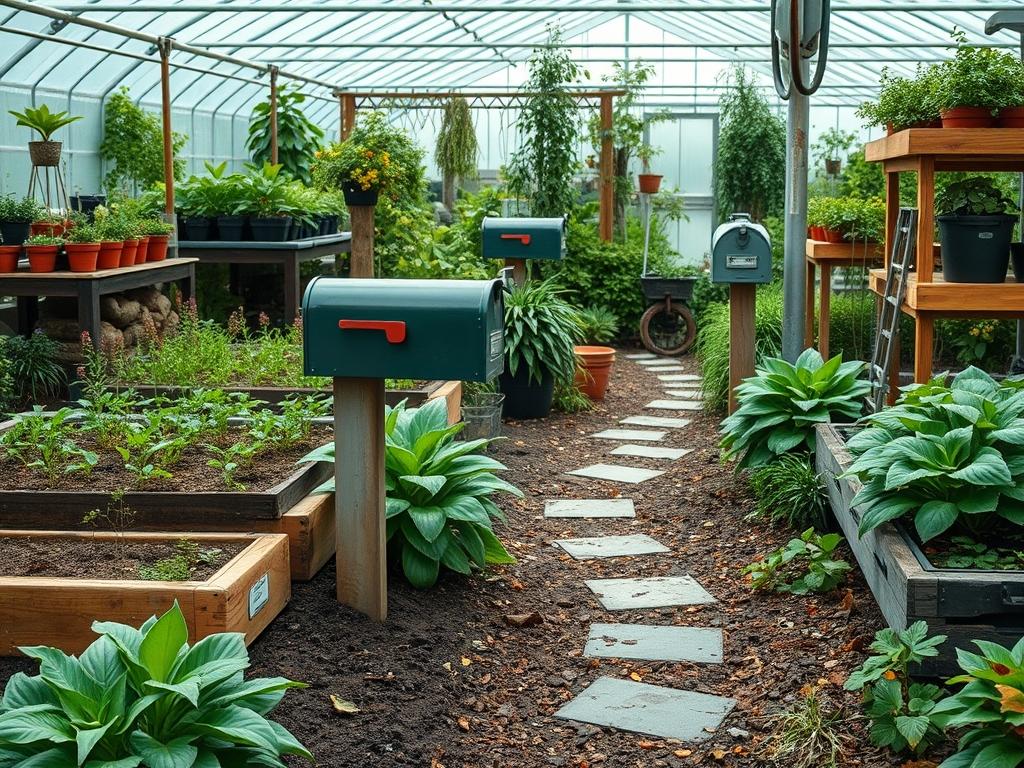
The mailbox often serves as the initial architectural handshake between a private residence and the public sphere. While frequently overlooked during major renovations, modern mailbox landscaping represents a vital opportunity to establish the design language of your entire property. A well-conceived installation creates a transition zone that balances utilitarian requirements with aesthetic sophistication. For a landscape architect, the challenge lies in managing the harsh microclimate found at the curb. This area is subject to intense heat radiation from asphalt, potential chemical exposure from road salts, and physical stress from pedestrian traffic. By applying professional environmental principles, you can transform a standalone utility post into a coordinated focal point that increases curb appeal and enhances the overall value of the estate.
Success begins with understanding the site conditions. Most curbside environments act as heat sinks, meaning the soil dries out faster than the interior of your lawn. When planning the layout, consider the vantage point from both the street and the front door. The goal is to create a design that feels integrated with the residence, using materials and plant palettes that echo the primary landscaping. This approach ensures spatial continuity, where the mailbox does not look like an afterthought but rather a deliberate extension of the home architecture.
Landscape Design Principles
Modern design rests upon the pillars of geometry, minimalism, and structural integrity. To achieve a professional finish, you must prioritize symmetry and balance. If your home features clean, horizontal lines, your mailbox landscape should reflect this through linear plantings and rectilinear hardscape elements. Visual weight is a primary concern. A heavy, monolithic concrete mailbox requires a substantial planting bed to ground it, whereas a slim brushed aluminum post might benefit from wispy, airy grasses that provide a textural contrast.
Elevation layers are essential for creating depth in a small space. We typically design in three tiers: a low-ground cover to suppress weeds, a mid-height structural layer for year-round interest, and a vertical element that complements the mailbox height. This layering avoids a flat, two-dimensional appearance. Furthermore, irrigation planning should be integrated at the start. Since dragging a hose to the curb is inconvenient, many modern designs incorporate subsurface drip irrigation lines or choose xeric plants that survive on natural precipitation alone. Using a retaining wall made of stacked slate or poured concrete can also help manage minor grade changes and prevent soil erosion onto the sidewalk.
Plant and Material Selection
Selecting the right biological and mineral components is the most critical technical phase. You require species that can withstand the “hellstrip” conditions of high heat and poor air quality while maintaining a clean, sculptural form.
| Plant Type | Sun Exposure | Soil Needs | Water Demand | Growth Speed | Maintenance Level |
| :— | :— | :— | :— | :— | :— |
| Blue Oat Grass | Full Sun | Well-drained | Low | Moderate | Low |
| Little Lime Hydrangea | Part Sun | Loamy/Moist | Moderate | Fast | Medium |
| Creeping Thyme | Full Sun | Sandy/Gritty | Low | Fast | Low |
| Boxwood (Green Velvet) | Full to Part Sun | Rich/Well-drained | Moderate | Slow | Medium |
| Lavender (Phenomenal) | Full Sun | Alkaline/Sandy | Very Low | Moderate | Low |
| Yucca (Color Guard) | Full Sun | Any/Well-drained | Low | Slow | Very Low |
In addition to plants, the choice of mulch and edging defines the modern aesthetic. Use dark basalt chips or polished river stones for a high-contrast, contemporary look. If you prefer organic mulch, opt for double-shredded hardwood mulch dyed black or dark brown to maintain a crisp edge against the concrete.
Implementation Strategy
The transition from design to reality requires a systematic approach. Begin by contacting local utility companies via 811 to mark underground lines before any excavation occurs. Once cleared, define the perimeter of the bed. For a modern look, avoid kidney-bean shapes. Instead, use sharp 90-degree angles or a perfect circle for geometric clarity.
Excavate the area to a depth of at least 6 inches. If the soil is heavy clay, remove an additional 4 inches and backfill with a mixture of compost, perlite, and topsoil to facilitate drainage. Next, install your edging. Professional-grade steel edging or aluminum pavers provide the thinnest, cleanest profile between the lawn and the garden bed. Secure the mailbox post using a post-hole auger, ensuring it is buried at least 24 inches deep and set in high-strength concrete. Once the hardscape is set, arrange the plants while they are still in their nursery pots to verify the spacing. Ensure a minimum 12-inch offset from the curb to prevent plants from overhanging the road. Apply a geotextile weed barrier if using stone mulch, then finish with a 3-inch layer of your chosen mulch material to regulate soil temperature.
Common Landscaping Failures
One of the most frequent errors is improper drainage management. When a planting bed is lower than the surrounding sidewalk, it acts as a basin for runoff. This often leads to root rot in the winter. Ensure the bed is slightly graded so water flows away from the mailbox base and toward the lawn or a designated drainage point.
Overcrowding is another hallmark of amateur design. Homeowners often plant for immediate fullness, forgetting that a Boxwood or Hydrangea will triple in size within three years. This leads to air stagnation and fungal diseases. Always check the mature spread of a species and provide adequate spacing. Furthermore, soil compaction is a silent killer at the curb. People often step into the garden bed while retrieving mail. To prevent this, incorporate a flagstone landing pad or a narrow gravel path leading from the driveway to the mailbox, which protects the root zones of nearby plants. Lastly, neglect of the “volcano mulching” rule can damage the mailbox post and plant stems. Never pile mulch against the vertical surfaces; keep a 2-inch gap to allow for air circulation and prevent rot.
Seasonal Maintenance
A professional landscape is not a static installation; it is a living system that requires rhythmic care. In the spring, focus on renewal. Prune back any ornamental grasses to within 4 inches of the ground before new growth emerges. Apply a slow-release granular fertilizer to provide nutrients for the growing season. This is also the time to refresh the mulch layer and repair any frost heave in the edging.
During the summer, irrigation is the priority. Even drought-tolerant plants require supplemental water during their first two years of establishment. Use a soaker hose during early morning hours to minimize evaporation. Monitor for pests like aphids or spider mites, which thrive in hot, dry conditions.
Autumn is the season for sanitation. Clear away fallen leaves that can trap moisture and cause crown rot in perennials. If you have planted bulbs like Alliums or Tulips for a modern spring display, plant them in late October. Finally, winter maintenance involves protection. If you live in a region with heavy snow, avoid using salt-based de-icers near the mailbox bed. Instead, use coarse sand for traction to prevent chemical burns on your evergreen species.
Professional Landscaping FAQ
How far should plants be from the mailbox post?
Maintain at least a 12-inch radius of clear space around the post. This prevents moisture from being trapped against the wood or metal, reduces the risk of insect infestation, and allows for easy access when the mail carrier arrives.
What is the best mulch for a modern look?
For a clean, minimalist aesthetic, use black lava rock or small-scale slate chips. These inorganic mulches do not decompose, providing a permanent, high-contrast texture that beautifully highlights the architectural lines of modern mailbox designs.
How do I handle a mailbox on a steep slope?
Incorporate a low-profile retaining wall using modular concrete blocks or timber segments. Grading the area into a flat terrace prevents mulch washout and allows for even water distribution, ensuring the plants on the high side stay hydrated.
Which plants are most resistant to road salt?
Rugosa Roses, Sedum, and Ornamental Sea Thrift are exceptionally salt-tolerant. These species are ideal for northern climates where snowplows frequently spray salt-laden slush onto curbside gardens during the winter months, preventing seasonal die-back.
Can I include lighting in my mailbox landscaping?
Yes, adding low-voltage LED path lights or up-lighting enhances safety and aesthetics. Position the fixtures to graze the texture of the mailbox post or illuminate the foliage from below, creating a sophisticated nighttime silhouette for your property.