
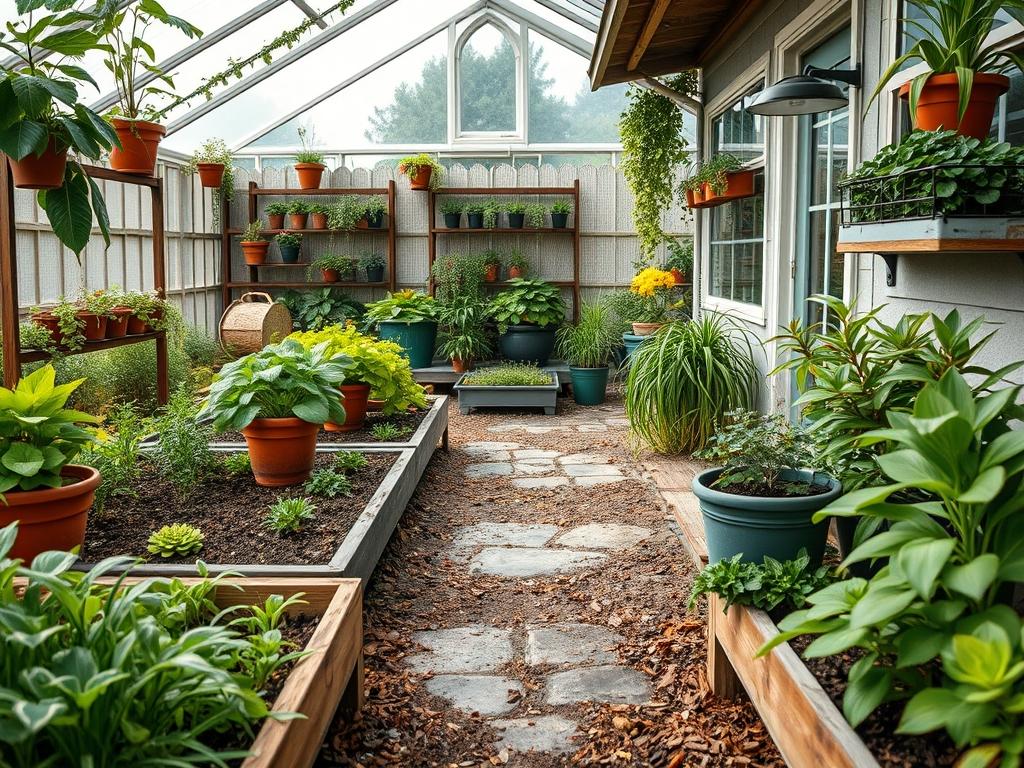
The front porch serves as a critical transition zone between the interior sanctuary of a home and the public landscape. For a senior landscape architect, the challenge lies in balancing aesthetic curb appeal with technical functionality, ensuring that the entryway is both welcoming and resilient across changing seasons. A well designed porch is more than a platform for seating; it represents a microclimate that demands specific attention to solar orientation, moisture management, and structural integration. Modern ideas for front porch decorating now prioritize a seamless flow between the architectural lines of the house and the organic textures of the surrounding garden. By treats the porch as an outdoor room, we can implement high level design strategies that enhance property value while providing a functional space for social interaction and environmental stewardship.
Landscape Design Principles
Successful front porch layouts rely on the fundamental principle of symmetry. In formal architecture, mirrored plantings on either side of the entryway provide a sense of stability and prestige. This is often achieved using matching Ceramic Planters or tiered Stone Urns. If the architectural style is more contemporary or asymmetrical, visual balance is maintained through the strategic distribution of mass. For instance, a heavy structural element like a Stone Bench on one side can be balanced by a dense cluster of Evergreen Shrubs on the other. This prevents the porch from looking weighted toward one end.
Elevation layers are another essential component of the design. We view the porch not as a flat surface, but as a series of vertical planes. The lowest layer consists of groundcover and low voltage LED Path Lights that lead the eye toward the steps. The mid-layer comprises the porch railing and foundation plantings, while the upper layer involves hanging elements or vertical trellises. By layering plants of different heights, such as Dwarf Conifers paired with Trailing Ivy, we create a three dimensional environment that feels lush rather than cluttered.
Irrigation and walkway planning are frequently overlooked during the decorative phase. However, a professional plan must include dedicated Drip Irrigation lines hidden within large containers. This ensures that seasonal displays do not wither during peak summer heat. Walkways should be constructed from durable materials like Flagstone or Permeable Pavers to facilitate safe passage and environmental health. The width of the primary walkway should be at least 48 inches to allow two people to walk side by side comfortably, signaling an inviting entry.
Plant and Material Selection
Selecting the right biological components requires an understanding of hardiness zones and light cycles. The following table provides a technical guide for common porch and entryway selections.
| Plant Type | Sun Exposure | Soil Needs | Water Demand | Growth Speed | Maintenance Level |
| :— | :— | :— | :— | :— | :— |
| Boxwood | Full Sun to Shade | Well-Drained Loam | Moderate | Slow | Medium |
| Japanese Maple | Partial Shade | Acidic, Moist | Consistent | Slow to Moderate | Low |
| Coral Bells | Partial Shade | Rich, Organic | Moderate | Moderate | Low |
| Ornamental Grass | Full Sun | Sandy to Clay | Low | Fast | Low |
| Star Jasmine | Full Sun to Part Shade | Neutral | Moderate | Fast | Medium |
| Creeping Jenny | Part Sun to Shade | Wet, Rich | High | Fast | Moderate |
In terms of materials, the use of Natural Cedar, Powder Coated Steel, and High Density Polyethylene for furniture and decorative accents ensures longevity. For mulch, Hardwood Shredded Bark is preferred over stone in foundation beds because it regulates soil temperature and adds organic matter as it decomposes.
Implementation Strategy
The execution of a front porch landscape begins with proper site grading. Before any plants or furniture are placed, the soil surrounding the porch foundation must be sloped away from the structure at a minimum 2 percent grade. This prevents water from pooling against the masonry and causing hydrostatic pressure issues in the basement or crawlspace. Once the grade is established, we install Heavy Duty Landscape Fabric only in areas designated for hardscaping to prevent weed growth without suffocating the soil biology in planting zones.
The next step involves the installation of edging. 1/8 inch Steel Edging provides a clean, permanent line between the lawn and the porch beds, preventing grass from encroaching on decorative areas. When planting, the hole for each shrub should be twice as wide as the root ball and just as deep. We backfill with a mixture of native soil and Compost, followed by a 3 inch layer of Mulch to retain moisture. For container gardening on the porch itself, use a high quality Potting Mix containing perlite for aeration rather than garden soil, which is too heavy and compacts easily in pots.
Drainage for containers is paramount. Every pot should have a drainage hole, and we often place a layer of Geotextile Fabric over the hole to prevent soil loss while allowing water to escape. If the porch surface is wood, using Pot Risers or clear plastic saucers prevents moisture from rotting the decking material.
Common Landscaping Failures
The most frequent error in porch decorating and landscaping is overcrowding. Many homeowners install Leyland Cypress or other fast growing species too close to the porch structure, failing to account for their mature width. Within five years, these plants can block views, trap moisture against the siding, and create security risks. Proper spacing, based on the specific cultivar’s mature spread, is essential for long term maintenance.
Another significant failure is poor drainage management. Redirecting Downspouts directly into planting beds without a Pop-up Emitter or a French Drain lead to root rot and soil erosion. Furthermore, soil compaction from heavy foot traffic or construction equipment can kill the microbial life in the soil, preventing plants from absorbing nutrients efficiently. If the soil is compacted, a Core Aerator or manual broadfork should be used to reintroduce oxygen before planting begins. Finally, many irrigation systems are set to a generic timer rather than a Smart Weather Sensor, leading to overwatering during rainy periods and underwatering during droughts.
Seasonal Maintenance
A professional landscape requires a rolling maintenance schedule to ensure the front porch remains the focal point of the home throughout the year.
Spring: This is the season for rejuvenation. Remove any winter debris and prune Deadwood from shrubs. Apply a pre-emergent herbicide to prevent weeds and refresh the Mulch to a depth of 3 inches. This is also the time to test the Irrigation System for leaks or clogged emitters.
Summer: Focus turns to hydration and deadheading. Regular removal of spent blooms on plants like Geraniums or Petunias encourages new growth. During extreme heat, deep root watering with a Soaker Hose is more effective than light daily sprinkling. Monitor for pests like aphids or spider mites, treating them with Neem Oil if necessary.
Autumn: Prepare the beds for dormancy. Replace summer annuals with cold hardy varieties like Flowering Kale or Chrysanthemums. This is the ideal time for planting new Perennials or Trees, as the cooling temperatures reduce transplant shock and allow roots to establish before the ground freezes.
Winter: Maintenance shifts to protection. Use Burlap Wraps for sensitive evergreens to prevent winter burn from cold winds. If using de-icing salts on porch steps, ensure they are Calcium Magnesium Acetate based, as standard rock salt will damage both the masonry and the nearby plants.
Professional Landscaping FAQ
How do I choose the right size planter for my porch?
Select a container that is at least 2 inches wider than the current root ball of the plant. For visual scale on a porch, larger pots are generally better, as small pots appear cluttered and dry out too quickly in summer.
What is the best way to hide irrigation lines on a porch?
Run 1/4 inch Micro-tubing along the baseboards or behind the structural pillars of the porch. Use Adhesive Cable Clips to secure the lines, and paint them to match the trim color for a completely discrete appearance.
Can I use solar lights for my front walkway?
While convenient, solar lights often lack the lumen output for true safety. A hardwired 12 Volt Transformer system with high quality Copper or Brass Fixtures provides more reliable illumination and significantly better curb appeal for a professional finish.
How do I prevent my porch plants from being eaten by deer?
Select deer resistant species like Lavender, Boxwood, or Andromeda. For highly visible seasonal displays, use a Systemic Repellent or physical barriers like decorative Bird Nesting to discourage browsing without ruining the aesthetic of the decorating scheme.
How much mulch is too much for foundation plantings?
Never exceed a depth of 4 inches. Piling mulch against the trunk of a shrub or the siding of the house, often called volcano mulching, traps moisture against the bark and encourages rot, fungal infections, and wood-destroying insect infestations.