
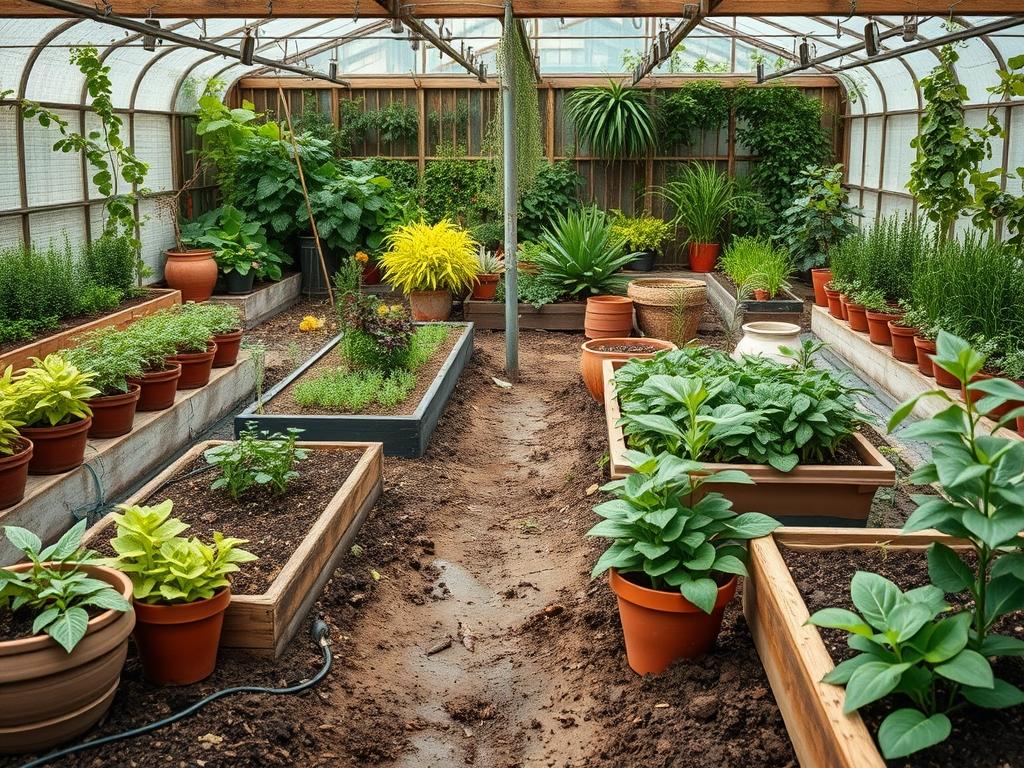
Small footprint landscaping requires more than just a green thumb; it demands surgical precision in spatial planning and a deep understanding of site engineering. When acreage is limited, every square foot must justify its existence by serving multiple purposes. We define Multi-Functional Garden Zones as distinct areas within a landscape that transition seamlessly between aesthetic focal points, utility spaces, and recreational hubs. The primary challenge in tight urban or suburban lots is the tendency for the space to feel cluttered rather than cozy. To combat this, we utilize vertical planes, sunken transitions, and invisible boundaries that guide the eye without physical obstructions. Effective design significantly boosts curb appeal and property value while creating an outdoor environment that functions as a true extension of the interior living space. Proper climate consideration is equally vital, as small, enclosed courtyards can create microclimates that trap heat or moisture differently than open fields.
Landscape Design Principles
The foundation of a successful small-scale landscape lies in the marriage of symmetry and focal points. In restricted environments, a lack of order results in visual chaos. We often employ a central axis, perhaps a narrow flagstone path or a linear water feature, to draw the eye toward an end point. This creates an illusion of depth that masks the actual boundaries of the property. Elevation layers play a critical role here. By utilizing retaining walls or raised planters at heights of 18 inches, we provide built-in seating while simultaneously creating separate planting tiers. This verticality allows for a richer tapestry of textures without sacrificing the precious floor area required for movement.
Visual balance is achieved through the careful distribution of mass. If a heavy pergola is placed on the left, it must be counterbalanced by a dense cluster of upright evergreens or a significant hardscape element on the right. Irrigation planning must be integrated into the initial drafting phase rather than treated as an afterthought. For tight zones, drip irrigation systems are the gold standard. These systems deliver water directly to the root zone, preventing the overspray typical of oscillating heads, which can cause rot on wooden fences or staining on natural stone pavers. Walkways should be at least 36 inches wide to allow for comfortable passage, even in the smallest gardens. If space is truly at a premium, we utilize stepper stones interspersed with low-growing groundcover to soften the transition between functional zones.
Plant and Material Selection
Selecting the right biological and structural components is the difference between a thriving ecosystem and constant maintenance headache. In small zones, we prioritize high-impact plants that offer multi-seasonal interest.
| Plant Type | Sun Exposure | Soil Needs | Water Demand | Growth Speed | Maintenance Level |
| :— | :— | :— | :— | :— | :— |
| Skyline Honey Locust | Full Sun | Adaptable/Well-drained | Moderate | Fast | Low |
| Little Lime Hydrangea | Part Sun | Rich/Moist | High | Medium | Moderate |
| Japanese Forest Grass | Shade | High Organic Matter | Moderate | Slow | Low |
| Sky Pencil Holly | Full to Part Sun | Slightly Acidic | Moderate | Slow | Low |
| Creeping Thyme | Full Sun | Well-drained/Sandy | Low | Fast | Low |
| Lavender (Phenomenal) | Full Sun | Gritty/Poor Soil | Low | Medium | Moderate |
For hardscaping materials, we lean toward permeable pavers or decomposed granite. These choices assist with natural drainage and prevent the runoff issues common in heavily built-out urban lots. Powder-coated aluminum or redwood are preferred for vertical structures like privacy screens, as they offer durability without the bulk of traditional masonry.
Implementation Strategy
The successful execution of Multi-Functional Garden Zones begins with a rigorous site analysis and grading plan. Before any soil is moved, use a transit level to identify high and low spots. Even a flat-looking yard usually has a slight pitch. Grading must ensure that water moves away from the foundation of the home at a minimum slope of two percent. If the lot is particularly flat, the installation of a French drain or a dry creek bed using river rock can manage excess precipitation effectively.
Once the grade is set, we establish the hardscape “bones” of the garden. Install steel edging to create crisp, permanent lines between lawn areas and planting beds. This prevents invasive turfgrass from creeping into your curated zones. When building retaining walls, ensure a base of compacted 3/4-inch minus gravel at least 6 inches deep to prevent settling.
After the structural elements are in place, the soil must be amended. Most urban soils are heavily compacted from construction. We recommend tilling in 3 inches of organic compost to a depth of 8 inches to restore porosity. Plant your larger specimens first, such as Japanese Maples or Columnar Oaks, followed by mid-level shrubs and finally groundcovers. Finish every bed with a 3-inch layer of hardwood mulch. This layer is crucial for moisture retention and weed suppression, though it should be kept a few inches away from the base of trunks to prevent bark rot.
Common Landscaping Failures
The most frequent error in small-space design is the failure to account for the mature size of plant material. A sapling that looks perfect in a 5-gallon bucket can easily overwhelm a small courtyard within five years, leading to root overcrowding and structural damage to nearby retaining walls. Always research the “ultimate spread” of a species before planting.
Drainage mistakes are the second most common pitfall. Many homeowners install beautiful stone patios without considering where the water will go during a heavy storm. This often results in the “bathtub effect,” where water sits in the planting beds and drowns the root systems. Soil compaction is another silent killer. Heavy foot traffic on wet soil collapses the air pockets that roots need to breathe. We solve this by strictly defining paths with flagstone or gravel, discouraging walking directly on the planting soil. Finally, irrigation inefficiencies often arise when high-water-demand plants are grouped with drought-tolerant species. This leads to a cycle of overwatering some plants while others wither. Grouping plants by their “hydrozone” or water needs is a fundamental requirement for a low-maintenance landscape.
Seasonal Maintenance
Maintenance in Multi-Functional Garden Zones is an exercise in editing. In the spring, focus on structural pruning. Use a sharp pair of bypass pruners to remove any winter-damaged wood and to shape deciduous shrubs before they fully leaf out. This is also the time to refresh your mulch and check your irrigation clock for proper scheduling. Ensure that drip emitters are not clogged by mineral deposits.
Summer maintenance revolves around hydration and deadheading. During heat waves, supplemental hand-watering may be necessary for container-grown plants even with an automatic system. Remove spent blooms from Perennials to encourage a second flush of flowers and keep the space looking tidy.
Autumn is the season for soil health and preparation. Rake fallen leaves promptly; in small spaces, a thick layer of wet leaves can quickly smother low-growing groundcovers like ajuga or sedum. Apply a thin layer of compost over the beds to provide nutrients for the following year.
Winter is about protection and planning. In colder climates, wrap sensitive species in burlap to prevent windburn. Check your hardscape for any shifting caused by freeze-thaw cycles. This dormant season is the best time to evaluate the “bones” of your garden. If the space looks barren without leaves, it is a sign that you need to incorporate more evergreen structural plants or interesting hardscape elements.
Professional Landscaping FAQ
How do I choose the right focal point for a small yard?
Select one primary element, such as a sculptural urn or a specimen tree, and orient your seating toward it. Avoid multiple competing focal points, which make a small space feel cluttered. One strong destination creates visual harmony.
What is the best way to handle drainage in a paved courtyard?
Use permeable pavers with a gravel sub-base to allow water to infiltrate the soil directly. Alternatively, install a hidden slot drain integrated into the paving pattern to carry runoff toward a designated rain garden or utility drain.
Can I grow vegetables in a multi-functional ornamental garden?
Absolutely. We call this “edible landscaping.” Integrate kale, chard, or herbs directly into your flower beds. They offer beautiful textures and colors while remaining functional. Use vertical trellises for climbing peas or beans to save ground space.
How deep should my mulch layer be?
A consistent 3-inch depth of organic mulch is ideal. This thickness suppresses weeds and retains moisture effectively. Never pile mulch against plant stems, as this encourages pests and fungal diseases that can compromise the health of your garden.
Which lighting is best for small, multi-functional zones?
Use low-voltage LED path lights for safety and well-lights to up-light vertical features. Layering your lighting creates depth at night. Avoid high-intensity floodlights, which flatten the landscape and create harsh shadows in tight quarters.