
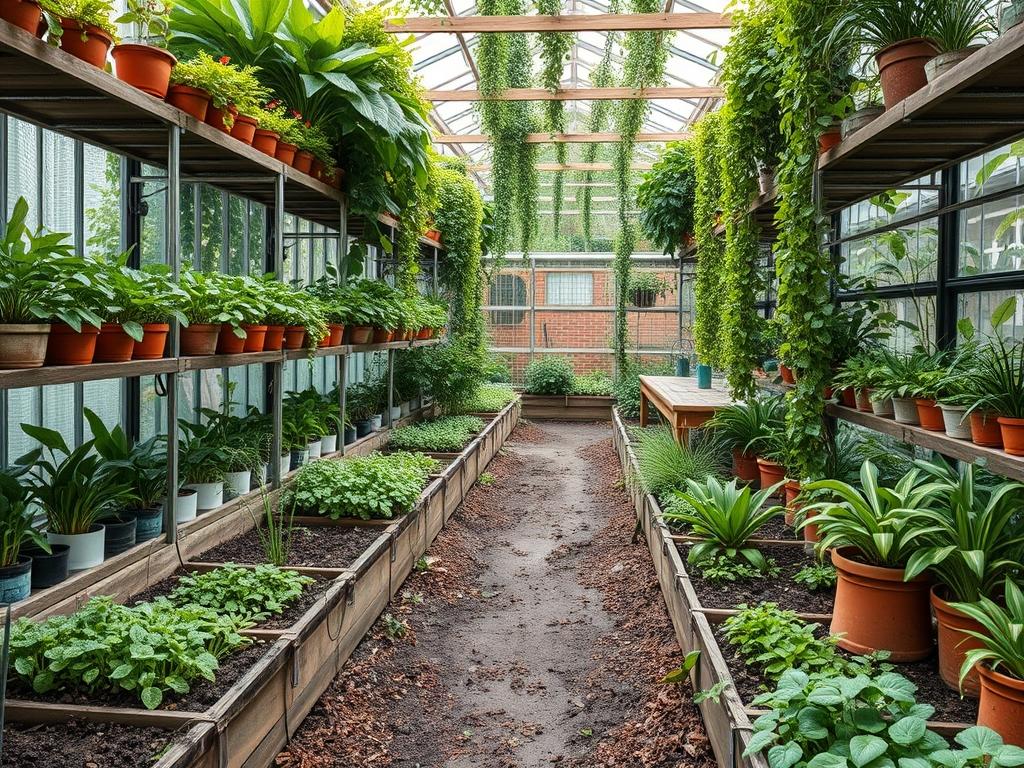
Modern architectural landscaping often grapples with the paradox of limited horizontal space versus the increasing desire for lush, restorative green environments. As density increases in urban and suburban developments, the traditional sprawling garden is frequently replaced by compact courtyards and terraces. This shift necessitates the use of Vertical Garden Frameworks to recapture the biological benefits of greenery without sacrificing valuable square footage. A well-engineered vertical system manages microclimates, provides natural insulation for building envelopes, and creates immediate aesthetic impact. However, long-term success depends on more than just aesthetics; it requires a deep understanding of structural loads, hydration physics, and material longevity. Integrating these systems into a broader landscape plan ensures that the vertical elements complement existing drainage patterns and site topography, moving beyond mere decoration into the realm of functional environmental infrastructure.
Landscape Design Principles
Effective vertical integration begins with the principle of visual balance. A vertical framework should never appear as a disconnected appendage to the property. Instead, it must serve as a transition point between the built environment and the organic landscape. Symmetry plays a vital role here, especially when flanking entryways or framing views. Professional architects often use the rule of thirds to determine the height of a Trellis or Green Wall relative to the adjacent structures. If the framework is too short, it loses its status as a focal point; if it is too massive, it overwhelms the surrounding plantings and creates an oppressive sense of enclosure.
Elevation layers are equally critical. In a traditional landscape, we think of groundcovers, shrubs, and understory trees. With Vertical Garden Frameworks, we translate this hierarchy onto a vertical plane. The base of the structure should be anchored by larger, more robust specimens or hardscape elements like Natural Stone Pavers to ground the design. As the eye moves upward, the density and texture of the foliage should shift to create a sense of lightness. This layered approach also facilitates better air circulation, which is essential for preventing fungal diseases in high-density plantings.
Irrigation planning must be central to the initial design phase rather than an afterthought. Vertical systems defy gravity, meaning water moves through the substrate or growth medium differently than it does in a standard garden bed. We must account for the “sump effect” where the bottom layers of a vertical system stay saturated while the top dries out rapidly. By designing integrated Drip Irrigation Lines with pressure-compensating emitters, we can ensure even moisture distribution. Furthermore, walkways and access points must be planned to allow for easy maintenance of these systems without trampling the surrounding Fescue Turf or delicate Native Grasses.
Plant and Material Selection
Selecting the right materials for the framework and the appropriate species for the site conditions is the foundation of a durable installation. We must consider the corrosive nature of constant moisture and the physical weight of wet soil and mature plants.
| Plant Type | Sun Exposure | Soil Needs | Water Demand | Growth Speed | Maintenance Level |
| :— | :— | :— | :— | :— | :— |
| English Ivy | Shade to P. Sun | Loamy, Moist | Moderate | Fast | High |
| Star Jasmine | Full Sun | Well-drained | Moderate | Medium | Medium |
| Creeping Fig | Partial Sun | Humus-rich | High | Fast | Moderate |
| Boston Fern | Full Shade | Peat-based | High | Medium | High |
| Sedum Spurium | Full Sun | Gritty, Lean | Low | Slow | Low |
| Boxwood (Espalier)| Full Sun | Loamy | Medium | Slow | High |
| Clematis | Full Sun (Tops) | Cool, Moist | Moderate | Medium | Moderate |
For the framework itself, we prioritize materials like Marine-grade Stainless Steel, Powder-coated Aluminum, or Western Red Cedar. These materials resist rot and rust, which is essential when they are constantly exposed to fertilizers and irrigation runoff. Galvanized Steel Mesh is an excellent choice for climbing vines, while High-density Polyethylene (HDPE) panels are preferred for modular living wall systems because they do not leach chemicals into the root zone.
Implementation Strategy
The implementation of Vertical Garden Frameworks begins with site preparation and grading. Even though the garden grows upward, the foundation must be perfectly level to prevent uneven weight distribution. For free-standing units, a Concrete Footing extending at least 18 inches below the frost line is necessary to prevent heaving. If the framework is wall-mounted, we must install a Vapor Barrier and a 1-inch Air Gap between the structure and the building facade. This gap is vital for preventing moisture transfer into the building’s structural components and allowing for passive cooling.
Once the skeleton is in place, we focus on the drainage and edging. At the base of the vertical structure, a French Drain or specialized Catch Basin should be installed to manage the concentrated runoff that vertical systems produce. We then apply a layer of Landscape Fabric to prevent soil migration and top the area with 3 inches of Hardwood Mulch. For modular systems, the growth medium should be a lightweight, inorganic mix such as Expanded Clay Pebbles or Perlite blended with coco coir. This reduces the dead load on the framework while maintaining high porosity.
Lighting is the final step of implementation. To highlight the vertical texture at night, we use Low-voltage LED Uplights positioned 12 inches from the base. These fixtures should have a wide beam spread to illuminate the entire span of the foliage. Proper implementation ensures that the framework functions as a cohesive unit within the larger backyard ecosystem, bridging the gap between hardscaping and softscaping.
Common Landscaping Failures
The most frequent failure in Vertical Garden Frameworks is the underestimation of hydrostatic pressure and water weight. A fully saturated vertical panel can weigh up to 30 pounds per square foot. If the mounting hardware consists of standard wood screws instead of Stainless Steel Lag Bolts, the entire system may collapse under its own weight during a heavy rain event. Furthermore, failing to account for the expansion of root systems can lead to “root choking,” where the plants eventually push themselves out of their containers or crack the framework.
Improper spacing is another common pitfall. Designers often plant too densely to achieve an “instant” look, ignoring the mature spread of the species. This leads to poor airflow, which invites pests like Spider Mites or Scale. Additionally, soil compaction in vertical pockets occurs faster than in the ground. Without the presence of earthworms and natural treading, the fine particles in the soil settle and block oxygen from reaching the roots. Finally, irrigation inefficiencies, such as uneven emitter pressure, can lead to localized “dead zones” where plants at the top of the structure perish from drought while the bottom row rots.
Seasonal Maintenance
Maintenance requirements for vertical systems peak during the transitions of the seasons. In the spring, the primary focus is on pruning and fertility. We use Hand Pruners to remove dead wood and direct the new growth onto the Steel Cables. This is also the time to apply a Slow-release Granular Fertilizer with a balanced nitrogen-phosphorus-potassium ratio to support the flush of new foliage. We must also inspect the Irrigation Controller and replace any 9-volt Batteries to ensure the automated cycles are functioning as temperatures rise.
Summer maintenance is dominated by moisture management. During heatwaves, leaf transpiration increases significantly. We may need to adjust the Drip Irrigation Timer to run twice daily, ideally in the early morning to minimize evaporation. In autumn, the focus shifts to debris removal. Fallen leaves caught in the framework can trap moisture against the structure, leading to rot. We also prune back vigorous growers like Star Jasmine to maintain the desired silhouette.
Winter preparation is the most critical phase for framework longevity. In regions with freezing temperatures, we must drain the Polyethylene Tubing to prevent bursting. If the framework holds perennial plants, a layer of Frost Cloth may be necessary for sensitive species. For deciduous climbers, we perform heavy structural pruning to reduce the wind sail effect during winter storms. Consistent monitoring throughout the year ensures that the investment in Vertical Garden Frameworks continues to pay dividends in both beauty and environmental function.
Professional Landscaping FAQ
How do you calculate the weight capacity for a wall-mounted system?
Determine the weight of the framework, the dry weight of the substrate, and the weight of the plants at maturity. Finally, add the weight of the maximum water retention capacity to find the total load for Lag Bolt selection.
What is the best way to prevent wall rot behind a vertical garden?
Always maintain a minimum 1-inch Air Gap using Aluminum Stand-offs. Install a Marine-grade Plywood or PVC Backing Board treated with a waterproof sealant to ensure that no moisture ever makes direct contact with the primary building envelope.
Can I use standard garden soil in vertical planters?
No, standard soil is too heavy and compacts quickly. Use a specialized Soilless Media consisting of Peat Moss, Perlite, and Vermiculite. This ensures proper aeration and significantly reduces the structural load on your Vertical Garden Frameworks.
How do I manage pests in a high-density vertical system?
Focus on proactive airflow management through strategic pruning. If an infestation occurs, use an Integrated Pest Management approach, starting with Horticultural Oils or Insecticidal Soaps applied with a Pressure Sprayer to reach deep into the foliage layers.
Do vertical gardens require specialized drainage systems?
Yes, vertical runoff is highly concentrated. You should install a Slotted Drain Pipe or a Gravel-filled Trench at the base of the wall to redirect excess water away from the foundation and prevent soil erosion in nearby garden beds.