
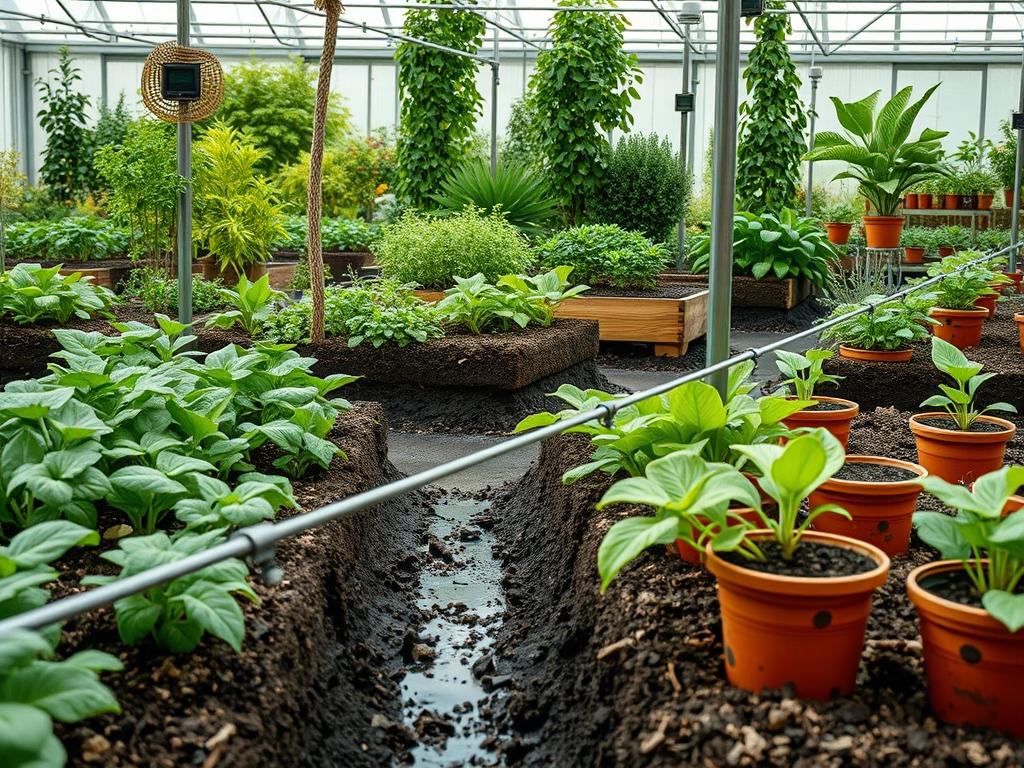
Maintaining a professional landscape requires more than just an initial investment in high-quality specimens and hardscaping. For the busy homeowner, the primary challenge involves balancing the aesthetic desire for lush, vibrant greenery with the biological reality of consistent hydration requirements. A landscape that relies on manual watering often fluctuates between periods of drought stress and oversaturation, both of which weaken the structural integrity of the plants. Automated drip irrigation offers a sophisticated solution to this dilemma, providing a precise delivery system that supports long-term curb appeal while significantly reducing the time required for garden management. By integrating these systems into the initial design phase, a consultant can create an environment that thrives regardless of the homeowner’s daily schedule or local climate volatility.
The success of a modern outdoor environment depends heavily on how well the infrastructure supports the design intent. When we discuss curb appeal, we are looking at the strategic placement of native plants, architectural focal points, and functional transitions. An unmanaged garden often becomes a liability, but a well-planned landscape with a dedicated irrigation strategy serves as a cooling mechanism for the home and a private sanctuary for its inhabitants. The transition from traditional spray heads to modern drip emitters marks a shift toward environmental responsibility and resource efficiency. This approach ensures that water is delivered directly to the root zone, minimizing evaporation and preventing the fungal issues often caused by overhead watering systems.
Landscape Design Principles
Effective landscape design starts with the concept of symmetry and visual weight. A balanced garden uses a mixture of evergreen and deciduous species to maintain structural interest throughout the year. When planning your layout, consider the use of focal points, such as a large Blue Spruce or a custom-built retaining wall, to draw the eye and provide a sense of permanence. These anchors should be placed at the intersections of your sightlines, ensuring that the garden looks professional from both the street and the interior of the home.
Elevation layers are another critical component of a high-end landscape. By utilizing a tiered approach, you can create depth even in smaller urban plots. This involves planting taller species like Emerald Green Arborvitae at the boundary, mid-sized shrubs such as Azaleas in the center, and low-growing groundcovers like Creeping Thyme near the walkways. Integrating automated drip irrigation into these layers requires hydrozoning, which is the practice of grouping plants with similar water requirements together. This allows you to calibrate your irrigation controller to deliver specific volumes of water to different zones, preventing the overwatering of succulents while ensuring your thirsty perennials remain hydrated.
Visual balance is further enhanced by the strategic use of walkways and hardscaping. Paths made of blue stone or pea gravel provide a clean break between planting beds, making the garden easier to navigate and maintain. When these hardscapes are designed alongside the irrigation plan, PVC sleeves can be installed under the paths before they are paved. This foresight allows for the easy expansion of the watering system without the need to tear up expensive stonework later.
Plant and Material Selection
Choosing the right flora is a matter of matching the biology of the plant to the specific microclimate of your property. Below is a selection of commonly used species that perform exceptionally well when paired with a reliable irrigation system.
| Plant Type | Sun Exposure | Soil Needs | Water Demand | Growth Speed | Maintenance Level |
| :— | :— | :— | :— | :— | :— |
| Lavender | Full Sun | Well Draining | Low | Medium | Low |
| Hydrangea | Partial Shade | Humus Rich | High | Fast | Medium |
| Dwarf Alberta Spruce | Full/Partial | Loamy | Medium | Slow | Minimal |
| Japanese Maple | Partial Shade | Slightly Acidic | Medium | Slow | Moderate |
| Hostas | Deep Shade | Moist | Medium | Moderate | Low |
| Boxwood | Full/Partial | Well Draining | Medium | Slow | Moderate |
| Fescue Sod | Mixed | Balanced | High | Rapid | High |
In addition to plant life, the selection of mulch and soil amendments is vital. Organic cedar mulch is highly recommended because it retains moisture and suppresses weed growth, which complements the efficiency of drip lines. For the irrigation system itself, high-density polyethylene tubing and pressure-compensating emitters are the industry standards for durability and precision.
Implementation Strategy
Implementing a professional-grade backyard layout begins with a thorough site assessment. Start by measuring the dimensions of your planting beds and identifying the locations of your outdoor water sources. You must check the soil pH levels and compaction before any planting occurs. If the soil is heavy clay, incorporate gypsum or organic compost to improve aeration. Grading is the next step; ensure the land slopes at least 1 percent away from the home foundation to prevent water pooling. This is a crucial step that many amateurs overlook, leading to basement dampness and root rot.
Once the grading is complete, lay out your 1/2-inch main line tubing for the irrigation system. Pin the tubing down with 6-inch landscape staples to keep it from shifting. From the main line, run 1/4-inch micro-tubing to the base of each individual plant. Attach 0.5 GPH (gallons per hour) or 1.0 GPH emitters depending on the specific needs of the species found in your hydrozoning plan. After the irrigation lines are tested for leaks, install your edging, which can be made of steel, aluminum, or treated timber. This provides a crisp border between the lawn and the beds. Finally, apply a layer of 3 inches of mulch to hide the irrigation lines and protect the root systems from temperature extremes.
Common Landscaping Failures
The most frequent mistake in landscape architecture is improper drainage. Even with a perfect irrigation system, if water has nowhere to go during a heavy storm, your plants will drown. Avoid creating “bowls” in the landscape where water can stagnate. If necessary, install a French drain consisting of a perforated pipe buried in a trench filled with river rock. Another common failure is root overcrowding. Many homeowners purchase plants based on their size at the nursery without considering their mature spread. Always consult the growth speed data and space your shrubs and trees at least 3 to 5 feet apart to allow for airflow and future expansion.
Soil compaction is a silent killer of expensive landscaping. Construction traffic or heavy footpaths can squeeze the air out of the soil, making it impossible for roots to penetrate or for water to reach them. Using stepping stones or designated paths helps mitigate this risk. Regarding irrigation, the biggest failure is the “set it and forget it” mentality. Even an automated system needs periodic calibration. If emitters become clogged with mineral deposits or are knocked out of place by garden tools, the plants in that zone will suffer quietly until it is too late to save them.
Seasonal Maintenance
Landscape management is a year-round commitment that changes with the seasons. In the spring, your priority is the activation of the irrigation system. Flush the lines to remove any sediment that accumulated over the winter and check each emitter for consistent flow. Apply a fresh layer of mulch to replace what has decomposed and prune any winter-damaged branches from your roses or dogwoods. This is also the best time for a slow-release fertilizer application to jumpstart the growing season.
During the summer, the focus shifts to moisture management and heat protection. Monitor your smart controller to ensure it is adjusting for rainfall. If the weather is exceptionally dry, you may need to increase the run times of your drip zones by 15 percent. In the autumn, reduce the watering frequency as plants go into dormancy. This is the ideal time for planting new perennials and bulbs, as the cooler air and warm soil encourage root growth without the stress of high heat.
Winter maintenance is primarily about protection. In colder climates, you must winterize the irrigation system by blowing out the lines with compressed air to prevent the polyethylene pipes from bursting. If you have sensitive specimens like Japanese Maples, consider wrapping them in burlap to protect against harsh winds. Ensure all garden hoses are disconnected from outdoor faucets to prevent frozen pipes inside the home.
Professional Landscaping FAQ
What is the primary benefit of drip irrigation over sprinklers?
Drip irrigation delivers water directly to the soil, reducing waste by up to 50 percent. It prevents evaporation and keeps foliage dry, which significantly lowers the risk of leaf spot and other moisture-based fungal diseases in your garden.
How often should I replace the mulch in my garden beds?
You should refresh your mulch once per year, typically in early spring. Maintaining a depth of 2 to 3 inches is essential for weed suppression, moisture retention, and protecting the automated irrigation tubing from harmful UV degradation.
Can I run different types of plants on the same irrigation zone?
It is not recommended. Professional designs use hydrozoning to group plants with similar needs. Mixing high-water plants like Hydrangeas with low-water Succulents on one zone will lead to either parched shrubs or drowned desert plants.
What is the best way to prevent weeds in a large landscape?
The most effective method is a combination of landscape fabric, thick organic mulch, and a drip system. Since drip irrigation only waters the intended plants rather than the entire surface, weed seeds in the surrounding soil are less likely to germinate.
How do I know if my automated system is leaking?
Monitor your water bill for unexpected spikes and check the soil for unusually soft or muddy spots. Most modern smart controllers also feature flow sensors that can alert your smartphone if they detect a signature indicating a broken pipe or disconnected emitter.