
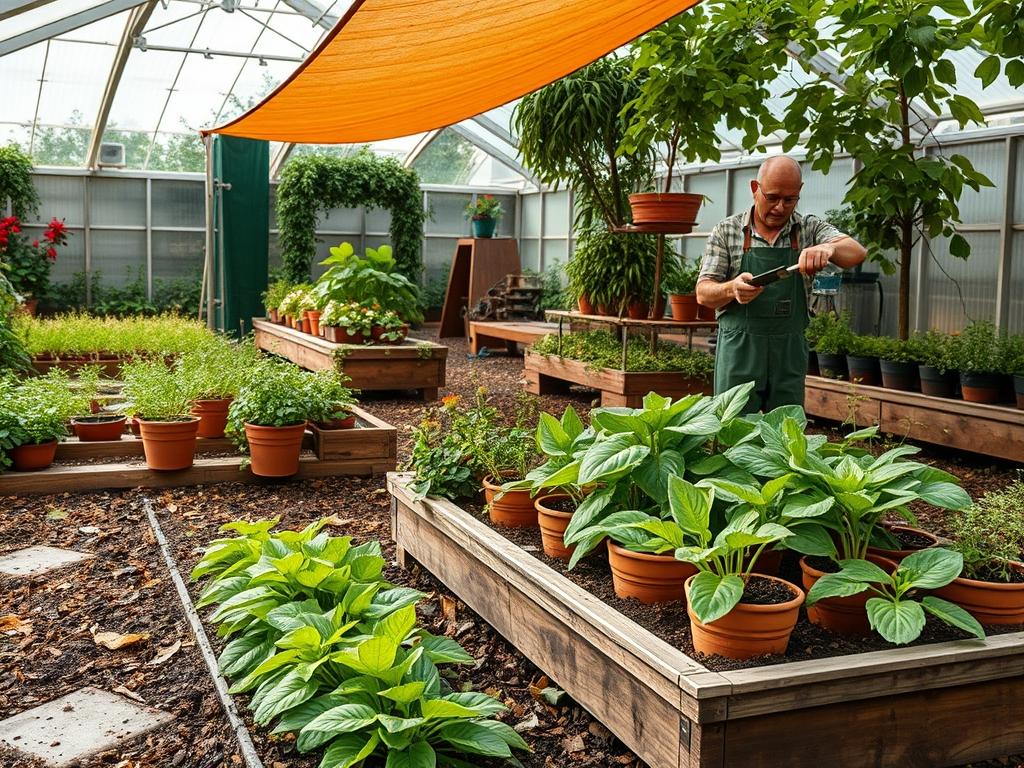
Designing a functional outdoor environment requires a sophisticated understanding of how light, wind, and topography interact. In modern landscaping, the primary challenge often revolves around climate mitigation. Without proper planning, a beautiful patio can become an oven during the peak summer months, making the space unusable. Integrating Sun Shade Solutions into your landscape design is not merely an aesthetic choice; it’s a strategic necessity to ensure your outdoor living areas remain comfortable and sustainable. By carefully managing solar exposure, you protect your investment in hardscaping and delicate flora while significantly boosting the home’s curb appeal through architectural layering.
Functionality is the cornerstone of any successful landscape project. When we approach a site, we look at how the sun moves across the property from dawn to dusk. The goal is to create microclimates. A well placed pergola or a series of high tension shade sails can lower ambient temperatures by as much as twenty degrees. This cooling effect allows for a more diverse selection of plants and creates a seamless transition between the interior and exterior of the home. Effective landscaping goes beyond planting trees. It involves a holistic view of the environment where drainage, irrigation, and structural shade work in unison.
Landscape Design Principles
Symmetry and visual balance are the two main pillars of a professional landscape. When incorporating structures like cantilevered umbrellas or permanent pavilions, they must serve as focal points without overwhelming the natural elements. We often use the rule of thirds to place these structures, ensuring they anchor the space while leaving room for movement. Elevation layers are equally important. By varying the heights of your plants and structures, you create a sense of depth. For instance, a tall Cedar pergola provides the highest layer, while mid sized shrubs like Oakleaf Hydrangea provide a transition to ground level plantings.
Irrigation planning must happen concurrently with the shaded design. Areas under permanent covers will not receive natural rainfall, meaning a dedicated Drip Irrigation system is essential to keep container plants and perimeter beds hydrated. Furthermore, walkways should be designed to guide the eye toward these shaded retreats. Using high quality materials like Flagstone or Decomposed Granite ensures the paths are durable and aesthetically pleasing. Visual balance is achieved by counteracting the heavy “weight” of a shade structure with soft, airy textures in the surrounding foliage, such as Ornamental Grasses.
Plant and Material Selection
Selecting the right components for your landscape ensures long term viability. The following table outlines various plants and materials that complement shaded environments and structural installations.
| Plant Type | Sun Exposure | Soil Needs | Water Demand | Growth Speed | Maintenance Level |
| :— | :— | :— | :— | :— | :— |
| Japanese Maple | Partial Shade | Well-Drained | Medium | Slow | Moderate |
| Hostas | Full Shade | Loamy/Rich | High | Moderate | Low |
| Boxwood | Partial Sun | Neutral pH | Medium | Slow | High (Pruning) |
| Star Jasmine | Full/Partial | Sandy Loam | Medium | Fast | Moderate |
| Pachysandra | Deep Shade | Acidic | Medium | Moderate | Low |
| Crepe Myrtle | Full Sun | Adaptable | Low | Fast | Moderate |
When selecting hardscaping materials, consider the thermal mass. Light Colored Pavers reflect heat, making them ideal for areas surrounding a pool or seating zone. Conversely, Natural Stone or Dark Slate can be used as accents in cooler, shaded corners to provide color contrast without contributing to the overall heat gain of the patio.
Implementation Strategy
The transition from a conceptual design to a physical landscape requires a meticulous implementation strategy. First, address the Grading of the site. A 2 percent slope away from the home foundation is the industry standard to prevent water pooling. Once the grade is established, map out your primary structures. If you are installing permanent Sun Shade Solutions like steel-post pergolas, the footings must be excavated to at least 36 inches deep, or below the local frost line, to ensure stability against wind loads.
Next, install the primary Drainage infrastructure. French Drains or NDS Catch Basins should be strategically placed to manage runoff from roofs or large shade canopies. After the heavy structural work is complete, define your garden beds with Steel Edging or Micro-Borders. This creates clean lines and prevents turf from encroaching on your planting zones. Preparation of the soil is the next critical step. Incorporate a mix of Organic Compost and Topsoil to a depth of 12 inches for optimal root development.
When it comes to planting, start with your largest specimens first, such as Specimen Trees and large shrubs. Once these are positioned, install your LED Low-Voltage Lighting and Irrigation Lines. Finally, apply a 3-inch layer of Hardwood Mulch or Pine Bark. This layer is crucial for moisture retention and weed suppression, especially in the areas directly adjacent to your sun shade structures where the soil might dry out faster due to wind tunnels.
Common Landscaping Failures
One of the most frequent mistakes we see in the field is poor drainage at the base of shade structures. When water collects around the footings of a pergola or the base of a retaining wall, it can lead to soil saturation and structural shifting. Another common error is root overcrowding. Homeowners often desire an “instant” look and plant Emerald Green Arborvitae or Privet too close together. Over time, these plants compete for nutrients and water, leading to sparse foliage and increased disease susceptibility.
Improper spacing relative to the home is also a major concern. Trees should be planted far enough away that their mature canopy does not interfere with the roofline or gutters. Additionally, soil compaction during the construction phase often goes unaddressed. Using heavy machinery like a Skid Steer packs the earth so tightly that roots cannot penetrate it and water cannot drain. Always tip-plow or aerate the soil before final planting. Lastly, many neglect the maintenance of their irrigation systems, failing to adjust for the reduced water needs in shaded zones versus the high demand in open, sunny areas.
Seasonal Maintenance
To keep your landscape and Sun Shade Solutions in peak condition, a seasonal schedule is mandatory. In the spring, inspect all hardware for your shade sails or awnings. Tighten Turnbuckles and check for wear on Stainless Steel Cables. This is also the time for a deep fertilization of your lawn and beds using a Slow-Release Nitrogen fertilizer. Prune any winter damage from your Boxwoods or Holly shrubs to encourage new growth.
Summer maintenance focuses on water management. During high heat, check your Drip Emitters to ensure they are not clogged with mineral deposits. Deep watering in the early morning is more effective than frequent shallow watering. In the autumn, clear fallen leaves from the tops of your shade structures and gutters to prevent moisture rot. This is also the best time to plant new Deciduous Trees, as the cooler air and warm soil promote root growth without the stress of high heat. In winter, remove fabric shades and store them in a dry place to prevent damage from snow loads or high winds. Apply a fresh layer of mulch to insulate the roots of your perennials from the freeze-thaw cycle.
Professional Landscaping FAQ
How do I choose the best shade structure?
Selection depends on your wind exposure and desired permanence. Retractable awnings offer flexibility, while permanent pergolas add lasting architectural value. High-density polyethylene sails are excellent for modern aesthetics and offer significant UV protection in high-wind areas.
How deep should my garden edging be?
A standard depth of 4 to 6 inches is ideal for most residential applications. This depth effectively prevents grass rhizomes from creeping into decorative beds and provides a clean, professional edge for mowing and maintenance.
Does mulch really help with shade?
Yes, mulch acts as a thermal blanket. In shaded areas, a 3-inch layer of Wood Chips or Bark helps maintain consistent soil temperatures and reduces evaporation, which is vital for understory plants that thrive in cooler environments.
How often should I check my irrigation?
Professional consultants recommend a monthly audit. Check for broken Spray Heads, leaks in the Main Line, and verify that the Timer is adjusted for seasonal rainfall patterns to avoid overwatering or wasting resources.
Can I grow grass under a shade sail?
It is difficult. Most turfgrasses require at least six hours of sunlight. In heavily shaded zones, consider shade-tolerant groundcovers like Mondograss or use hardscaping elements like Pea Gravel and Stepping Stones to create a functional, low-maintenance surface.