
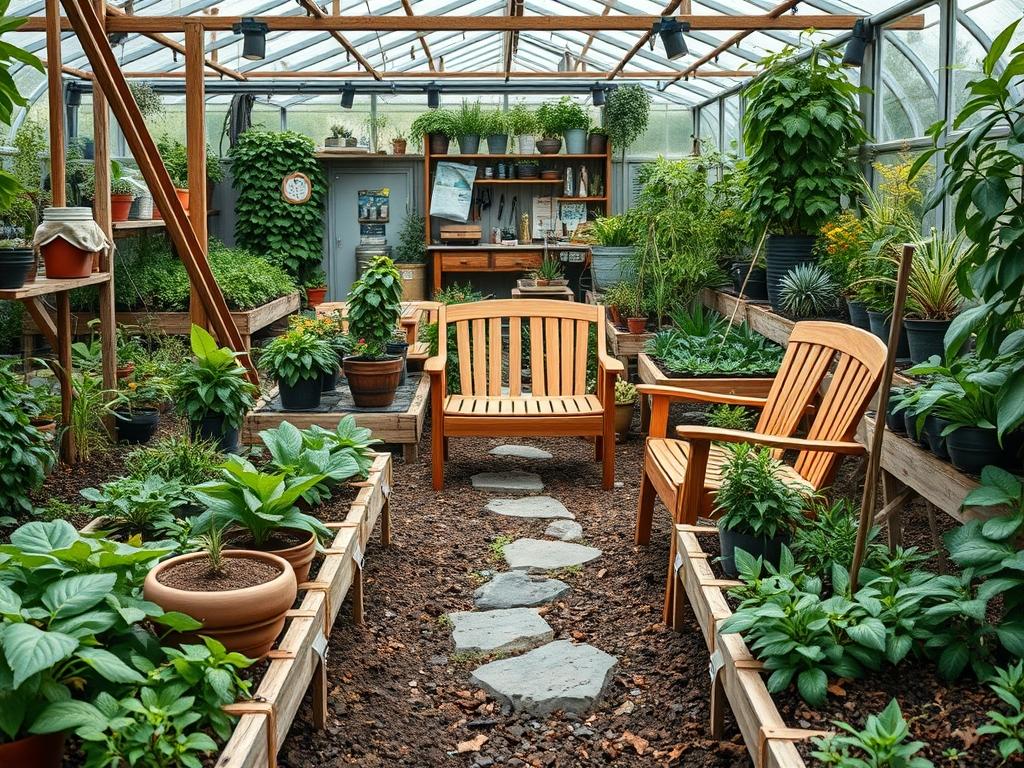
The integration of functional living spaces within a natural environment requires a sophisticated understanding of both architectural design and botanical science. When homeowners embark on a renovation, the primary challenge often lies in harmonizing the rigid lines of the built environment with the organic fluidity of a garden. Achieving high curb appeal while maintaining outdoor functionality is not merely an aesthetic pursuit; it is a structural necessity. A successful landscape provides a controlled microclimate that protects the home and the assets contained within it. One of the most critical aspects of this planning phase is the art of all-weather furniture selection, as these pieces serve as the functional bridge between the interior comfort of the home and the rugged variables of the outdoors. If the layout does not account for wind patterns, solar orientation, and moisture runoff, even the most expensive furniture will suffer premature degradation. Professional planning ensures that every stone, plant, and chair is positioned to withstand the elements while contributing to a cohesive visual narrative.
Landscape Design Principles
Effective landscape design starts with the concept of symmetry and visual balance. In a professional architectural context, this does not always mean a mirror image. It refers to the distribution of visual weight across a viewing plane. For instance, a heavy masonry outdoor fireplace on the left side of a patio should be balanced by a dense cluster of Evergreen Trees or a significant structural element on the right. This prevents the space from feeling lopsided or disorganized. Focal points are equally crucial. A designer might use a high-end seating arrangement as the primary destination, using walkways and plant borders to lead the eye toward that central gathering area. By treating furniture as a structural focal point, the landscape becomes an intentional room rather than an overlooked yard.
Elevation layers play a vital role in defining these outdoor rooms. By using Retaining Walls and raised planting beds, a designer can create a sense of enclosure and intimacy. These layers also serve a utilitarian purpose. They help manage Hydrostatic Pressure and direct water away from the primary lounging zones. When selecting furniture for these varied elevations, one must consider the height of the surrounding flora. Low-profile seating works best against high elevation layers, as it emphasizes the scale of the vertical garden. Conversely, irrigation planning must be integrated into these layers from the start. Subsurface drip systems are preferred over traditional spray heads near social zones to ensure that moisture remains in the soil and does not damage furniture fabrics or hardware through constant overspray.
Visual balance also extends to the choice of materials. The hardscaping, such as Flagstone or Permeable Pavers, should complement the textures of the furniture frames. For example, if a homeowner selects powder-coated aluminum furniture for its weather resistance, the surrounding landscape should incorporate sleeker, modern materials like polished concrete or dark slate. If the furniture is made of heavy Teak Wood, a more organic palette of fieldstone and softened mulch edges provides a better aesthetic fit. Every choice should reinforce the functional goals of the space, ensuring that the transition from a manicured lawn to an active living area feels seamless and deliberate.
Plant and Material Selection
| Plant Type | Sun Exposure | Soil Needs | Water Demand | Growth Speed | Maintenance Level |
| :— | :— | :— | :— | :— | :— |
| Boxwood Hedge | Full Sun to Part Shade | Well-drained, Loamy | Moderate | Slow | Medium (Requires Pruning) |
| Ornamental Grass | Full Sun | Sandy or Clay | Low | Fast | Low (Cut back annually) |
| Lavender | Full Sun | Alkaline, Gritty | Very Low | Medium | Low (Prune after bloom) |
| Japanese Maple | Filtered Shade | Slightly Acidic | Moderate | Slow | Medium (Structural pruning) |
| Hostas | Full Shade | Rich, Organic | High | Medium | Very Low (Divide as needed) |
| Creeping Thyme | Full Sun | Poor to Average | Low | Fast | Low (Walkable groundcover) |
Implementation Strategy
The successful execution of a garden layout begins with grading. Proper grading ensures that the ground slopes away from the home and the primary seating areas at a minimum of a two percent pitch. This prevents standing water, which is the primary enemy of both plant health and furniture longevity. Once the grade is established, the next step is the installation of drainage systems. French Drains or catch basins may be necessary in areas where the soil has high clay content. These systems should be hidden beneath the final surface layer, often integrated within the gravel sub-base of a patio or under a thick layer of organic Mulch.
Hardscaping comes next. When planning for all-weather furniture selection, the foundation must be perfectly level. Uneven pavers can cause furniture frames to torque and stress the joints over time. For heavy dining sets, a reinforced concrete pad or a thick bed of compacted crushed stone is recommended. After the hard elements are in place, edging serves to define the boundaries between the living space and the garden. Metal or stone edging provides a clean line that prevents Turfgrass from encroaching onto the patio. This is followed by planting the larger specimen trees and shrubs, which provide windbreaks. Wind protection is a frequently overlooked aspect of furniture care. By strategically placing dense foliage on the windward side of the property, you reduce the impact of airborne debris and abrasive gusts on your outdoor upholstery.
Finally, the application of mulch completes the transition. A depth of three to four inches of high-quality wood chips or bark helps retain soil moisture and suppress weeds. It also provides a soft visual contrast to the rigid lines of the furniture and stone. During this phase, consider the installation of low-voltage lighting. Placing small LED fixtures at the base of trees or along walkways not only enhances safety but also highlights the architectural lines of the furniture during evening use.
Common Landscaping Failures
One of the most frequent mistakes in residential landscaping is improper drainage. When water pools near a patio, it saturates the ground and can cause pavers to shift or sink. This instability directly impacts the safety and comfort of outdoor seating. Furthermore, standing water increases humidity levels at the ground level, which can lead to mold and mildew growth on furniture cushions, even those rated for all-weather use. Another common failure is root overcrowding. Homeowners often plant beautiful trees too close to their hardscaped areas. As the trees mature, the roots expand with incredible force, eventually cracking concrete or lifting pavers. A minimum distance of ten feet is usually recommended for large-canopy trees to avoid structural damage.
Improper spacing of plants also leads to long-term issues. While a garden may look lush when first planted, overcrowding prevents proper air circulation. This lack of airflow traps moisture among the foliage and against the furniture, accelerating the decay of wood and the oxidation of metals. Soil compaction is another silent killer. In high-traffic areas where people move around furniture, the soil becomes packed so tightly that air and water cannot reach the roots of nearby plants. To mitigate this, define clear walkways using Stepping Stones or gravel to direct foot traffic away from sensitive root zones.
Finally, many landscapes suffer from irrigation inefficiencies. Misdirected sprinkler heads that soak the backs of chairs or the undersides of tables will lead to hard water stains and rust. Professional systems should use precision nozzles or drip lines to deliver water exactly where the plants need it, keeping the human-centric zones dry.
Seasonal Maintenance
Landscape management is a year-round commitment that changes with the cycles of the environment. In the spring, the focus is on rejuvenation. This is the time to inspect irrigation lines for leaks and to clear any debris that accumulated during the winter. For the furniture, spring is the season for deep cleaning and the application of UV-protectant sprays. Applying a fresh layer of Mulch during this time helps the soil prepare for the coming heat by locking in the moisture from spring rains.
Summer maintenance centers on water management and deadheading. As temperatures rise, the rate of Evapotranspiration increases, meaning plants need more consistent hydration. This is also the time to monitor for pests that might find a home under furniture or inside hollow frames. Autumn transition is about preparation for dormancy. Raking leaves is essential, as wet foliage left on a patio can stain stone surfaces and trap moisture against furniture legs. It is also the ideal time to plant new bulbs and perform structural pruning on deciduous trees.
Winter is the time for protection. In climates with heavy snow or ice, all-weather furniture selection truly proves its worth. While high-quality pieces can stay out, they should ideally be covered with breathable, waterproof fabric to prevent ice build-up in the crevices. In the garden, winterizing involves protecting sensitive plants with burlap and ensuring that the drainage paths are clear of obstructions. By following this seasonal rhythm, the landscape and the furniture within it will remain in peak condition for decades.
Professional Landscaping FAQ
What is the best material for all-weather furniture in high-humidity areas?
Powder-coated aluminum and high-density polyethylene (HDPE) lumber are superior choices. They resist rust and do not absorb moisture, which prevents warping and rot. These materials maintain their structural integrity even in constant dampness.
How do I prevent my patio furniture from blowing away in high winds?
Strategic landscaping is the best defense. Plant a windbreak of Columnar Evergreens to deflect gusts. Additionally, choose heavy furniture materials like wrought iron or solid teak, and use stainless steel anchors for lighter pieces.
Does mulch type affect the longevity of nearby outdoor furniture?
Yes, avoid fresh cedar or redwood mulch if it touches furniture legs, as the tannins can leach out and stain both the furniture and the patio. Use aged, triple-shredded hardwood mulch for better stability and less leaching.
How often should I inspect my outdoor irrigation for furniture safety?
Perform a visual check once a month during the growing season. Ensure no spray heads are hitting your seating area directly. A single misaligned sprinkler can cause significant mineral buildup on high-end outdoor finishes over time.
Can I place outdoor furniture directly on the grass?
It is not recommended for long periods. Moisture from the grass will damage the furniture base, and the weight of the furniture will compact the soil, killing the turf. Use Stepping Stones or a small gravel pad instead.