
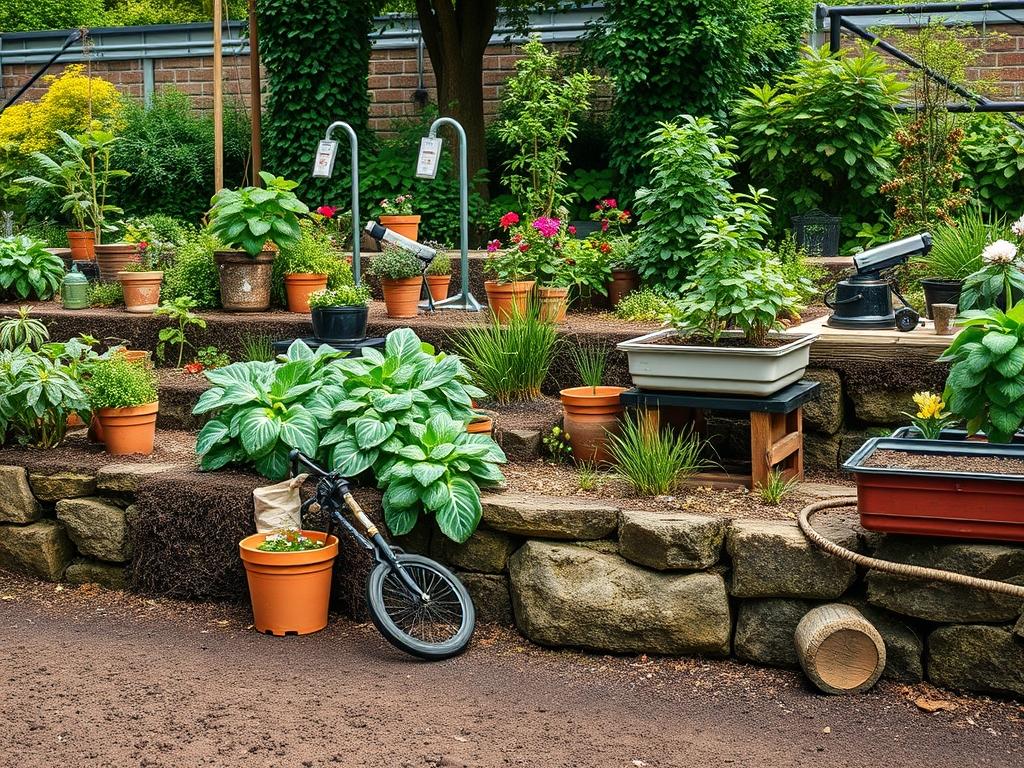
Transforming a steep slope from a secondary erosion concern into a primary architectural feature requires a shift in perspective. Most homeowners view a significant incline as an obstacle to usable space, yet for a landscape architect, these elevation changes offer a vertical canvas that flat yards simply cannot provide. The goal of integrating retaining wall aesthetics into a sloped property is to create a series of functional plateaus that improve drainage, increase curb appeal, and provide distinct zones for outdoor living. When we address a slope, we are not just fighting gravity; we are directing the flow of water, light, and movement to harness the natural energy of the site. A well executed design replaces a sliding hillside with a structured, tiered environment that feels intentional rather than reactive.
Managing the climate is equally vital during the initial planning phase. In regions with heavy seasonal rainfall, a slope effectively becomes a waterfall without proper intervention. The primary functional goal of the retaining wall is to manage hydrostatic pressure, which is the force exerted by water trapped behind the structure. By selecting materials that harmonize with the local geology, such as natural fieldstone or quarried granite, the installation looks as though it has existed for centuries. This permanence adds significant value to the property, shifting the perception of the yard from a maintenance burden to a sophisticated sanctuary.
Landscape Design Principles
The success of any sloped project hinges on the principle of visual balance. When dealing with verticality, the eye tends to travel upward quickly, which can make a space feel smaller or more claustrophobic than it actually is. To counter this, we use elevation layers to break up the visual journey. Instead of building one massive, six-foot wall that feels like a fortress, it is often better to install three smaller walls, each measuring 24 inches in height. This terraced approach provides more opportunities for planting and creates a softer, more inviting transition between the top of the ridge and the base of the yard.
Symmetry and focal points help define these layers. A central staircase made of flagstone pavers can act as a spine for the garden, providing a clear path of travel while dividing the terraces into symmetrical planting beds. Irrigation planning must be integrated into this structural boneset from the very beginning. Because water naturally migrates toward the bottom of a slope, the upper tiers require more frequent, targeted hydration through drip irrigation lines, while the lower sections may need specialized drainage solutions like french drains to prevent soil saturation. By varying the depth of the tiers, segments can be dedicated to specific uses such as a fire pit area, a vegetable garden, or a secluded reading nook, each with its own unique lighting and seating arrangements.
Plant and Material Selection
Choosing the right materials and flora is a balance between engineering requirements and sensory appeal. The following table outlines high performance plants that thrive in the specific microclimates created by retaining walls.
| Plant Type | Sun Exposure | Soil Needs | Water Demand | Growth Speed | Maintenance Level |
| :— | :— | :— | :— | :— | :— |
| Creeping Phlox | Full Sun | Well-drained | Moderate | Fast | Low |
| Japanese Maple | Partial Shade | Loamy/Acidic | Moderate | Slow | Medium |
| Blue Star Creeper | Full/Partial | Moist/Sandy | High | Medium | Low |
| English Lavender | Full Sun | Gritty/Alkaline | Low | Medium | Medium |
| Winter Creeper | Full/Partial | Adaptable | Low | Fast | Low |
| Dwarf Boxwood | Full/Partial | Rich/Well-drained | Moderate | Slow | High |
Implementation Strategy
The implementation of a professional grade retaining wall begins with a comprehensive site survey and grading plan. Before moving a single shovel of earth, a laser level is used to determine the exact degree of the slope. This measurement dictates the spacing between tiers. We start by excavating a trench at the base of the lowest wall, typically to a depth of 12 inches, to ensure a stable foundation. This trench is filled with crushed stone or compacted gravel to provide a solid, non-shifting base that allows for drainage beneath the structure.
Once the base layer of interlocking concrete blocks or timber sleepers is set, drainage becomes the priority. A perforated 4 inch drain pipe is installed behind the first course of the wall, wrapped in landscape fabric to prevent soil from clogging the holes. This pipe directs water away from the wall to a designated exit point. As each subsequent layer of the wall is built, we backfill the space behind the wall with angular 57 stone rather than dirt. This ensures that water can move freely downward to the drain pipe. To finish the beds, we apply a layer of hardwood mulch at a depth of 3 inches to suppress weeds and retain moisture for the new plantings. Edging tools are used to create sharp, clean transitions between the hardscape elements and the turf, providing that polished, professional look.
Common Landscaping Failures
The most frequent mistake in sloped yard management is the neglect of hydrostatic pressure. When a wall lacks weep holes or a proper gravel backfill, water builds up behind the structure, eventually causing the wall to lean or collapse entirely. This is an expensive failure that can usually be avoided with better initial drainage planning. Another common issue is soil compaction. During the construction phase, heavy machinery like skid steers can compress the soil so tightly that roots cannot penetrate it and water cannot soak in. This leads to high runoff and poor plant health.
Homeowners also frequently struggle with improper spacing and root overcrowding. It is tempting to plant many 1 gallon specimens close together to achieve an instant full look, but within three years, these plants will compete for resources and become stunted. Proper spacing, based on the mature width of the species, is essential for long term health. Finally, many DIY projects fail to account for the “toe” of the slope. If the base of the wall is not properly keyed into the ground, the entire hill can slide forward under the weight of a heavy rainstorm.
Seasonal Maintenance
Sustaining the aesthetics of a tiered landscape requires a disciplined seasonal approach. In the spring, the focus is on restoration. Use pruning shears to remove any winter kill from shrubs like Dwarf Boxwood and apply a slow release nitrogen fertilizer to encourage new growth. This is also the best time to check the outlets of your french drains to ensure they are not blocked by debris accumulated during the winter months.
During the summer, irrigation management is the primary task. As heat rises, the soil in raised tiers dries out significantly faster than ground level beds. Increasing the frequency of the drip irrigation cycles during the early morning hours prevents plant stress. In autumn, the focus shifts to cleanup and protection. Using a leaf blower to keep the drainage channels clear of falling foliage is critical. Applying a fresh layer of organic mulch protects the root systems of your perennials from the coming frost. Winter maintenance is largely passive, though it is important to avoid using harsh de-icing salts near the retaining walls, as these chemicals can leach into the soil and damage both the stone masonry and the sensitive roots of your Japanese Maples.
Professional Landscaping FAQ
How do I choose between natural stone and manufactured blocks?
Natural stone offers a timeless, organic look that blends with the environment. Manufactured blocks provide uniform dimensions, making them easier to stack and often more cost effective for high, structural walls requiring precise engineering and reinforcement.
How high can I build a retaining wall myself?
Most municipalities allow homeowners to build walls up to 3 or 4 feet without a structural engineer. Any wall exceeding this height requires professional stamps and permits to ensure it can safely hold the weight of the hillside.
What is the best way to prevent weeds on a slope?
Install a heavy duty landscape fabric under your mulch layer and use dense groundcovers like Creeping Phlox. These plants act as a living mulch, shading the soil and preventing weed seeds from germinating through the decorative cover.
How much does a professional retaining wall cost?
Costs vary based on materials and site accessibility. On average, expect to pay between $30 and $60 per square foot for professional installation. Natural stone and complex drainage systems will typically fall at the higher end of that range.
Can I use wood for my retaining walls?
Pressure treated timber or cedar sleepers are viable, more affordable options. However, wood has a shorter lifespan than stone or concrete, usually lasting 10 to 15 years before moisture and soil contact lead to inevitable rot.