
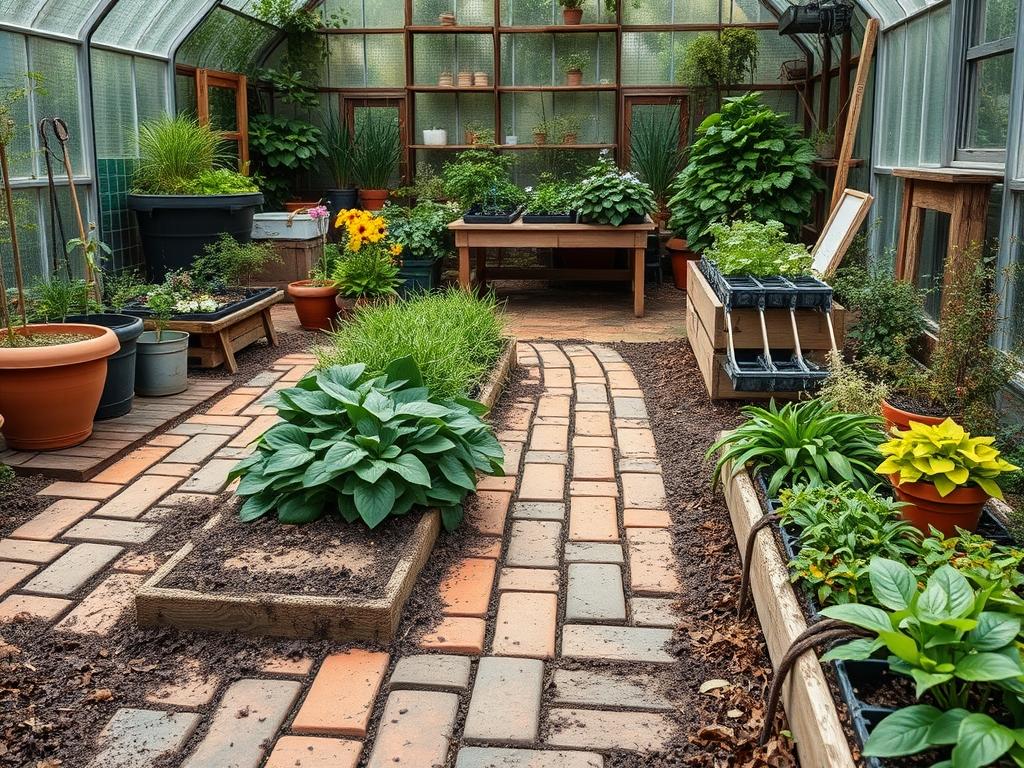
Sustainable site development frequently grapples with the tension between modern aesthetic demands and environmental responsibility. As landscape architects, we increasingly turn to reclaimed materials to bridge this gap, using the inherent character of salvageable masonry to provide texture that new products simply cannot replicate. Recycled brick paving stands as a cornerstone of this movement, offering a carbon-neutral alternative to freshly fired clay while delivering an immediate sense of history and permanence to a residential or commercial garden. The challenge lies in integrating these weathered elements so they feel deliberate rather than accidental. Success requires a deep understanding of site grading, moisture management, and the architectural dialogue between the hardscape and the surrounding softscape. When properly executed, a recycled brick installation enhances curb appeal and increases the functionality of outdoor living zones, creating a permeable, durable surface that withstands fluctuating climate conditions.
Landscape Design Principles
Modern landscape design for recycled brick projects must prioritize spatial hierarchy and visual balance. Because reclaimed bricks often feature a variety of hues, from deep charcoal to pale ochre, the design must provide a unifying structure to prevent the space from appearing cluttered. Symmetry plays a vital role in this process. By utilizing a herringbone or basketweave pattern, a designer can create a sense of movement that leads the eye toward specific focal points, such as a water feature or a bespoke fire pit. These patterns are not merely decorative; they provide structural interlocking that distributes weight evenly across the sub-base, preventing individual units from shifting under foot traffic.
Elevation layers add a three dimensional quality to the project. When working with recycled bricks, utilizing them in retaining walls or raised planters creates a cohesive material language throughout the site. These vertical elements should be designed with integrated irrigation planning to allow for discreet water delivery to elevated plant beds. Furthermore, the concept of wayfinding is essential for larger estates. Walkways should vary in width to signal transitions between public social areas and private, quiet retreats. A wide, straight path conveys formal intent, while a narrower, winding trail of slightly irregular bricks suggests an informal stroll through a wooded or shaded section of the garden.
Visual balance is also achieved through the contrast of textures. The rugged, often chipped edges of recycled masonry pair beautifully with sleek, modern materials like steel or glass. To ensure the hardscape does not overwhelm the environment, designers must incorporate “soft pauses” using groundcovers or organic mulch. This prevents the heat island effect, where large expanses of masonry absorb and radiate excessive solar energy. By breaking up the brickwork with vegetative joints or “creeping” plants, the landscape remains cool and invites biodiversity.
Plant and Material Selection
The success of a paving project is inextricably linked to the botanical life surrounding it. The following table highlights species that complement the earthy tones of recycled brick while meeting various functional needs.
| Plant Type | Sun Exposure | Soil Needs | Water Demand | Growth Speed | Maintenance Level |
| :— | :— | :— | :— | :— | :— |
| Buxus microphylla | Full Sun to Shade | Well-Drained | Moderate | Slow | Medium |
| Lavandula angustifolia | Full Sun | Sandy/Gravelly | Low | Moderate | Low |
| Festuca glauca | Full Sun | Poor to Average | Low | Moderate | Low |
| Carex oshimensis | Part Shade | Moist/Loamy | Moderate | Moderate | Low |
| Rosmarinus officinalis | Full Sun | Well-Drained/Dry | Low | Fast | Low |
| Trachelospermum | Full Sun to Part | Rich/Moist | Moderate | Fast | Medium |
Implementation Strategy
Planning a backyard layout with recycled brick begins with rigorous site preparation. The first step involves grading, where the soil is sloped at a minimum of two percent away from any permanent structures to ensure proper drainage. Once the footprint is established, excavate to a depth of approximately 8 to 10 inches, depending on the intended load. A sturdy foundation is non-negotiable; start with a 4-inch layer of crushed stone or recycled concrete aggregate. This base must be compacted using a mechanical plate compactor to eliminate air pockets and prevent future settling.
After the base is set, install a geotextile fabric to separate the aggregate from the bedding layer. This prevents the “migration” of materials while still allowing water to permeate. Over the fabric, spread a 1-inch layer of coarse concrete sand. Use a screed board to create a perfectly level surface for the bricks. When laying the recycled bricks, maintain a consistent gap of 1/8 inch to 1/4 inch between units. This allows for the application of polymeric sand, which binds the bricks together and inhibits weed growth.
The final stage of implementation is the installation of edge restraints. Without secure edging, the external bricks will eventually migrate outward, causing the entire field to collapse. Use heavy-duty plastic, aluminum, or even a vertical row of bricks set in a concrete haunch to lock the perimeter. Once the bricks are laid and edged, sweep the jointing sand into the gaps and use the plate compactor once more, protected by a piece of carpet or a rubber mat to prevent chipping the reclaimed surfaces. This vibration settles the sand deeply into the joints, creating a monolithic and stable surface.
Common Landscaping Failures
The most frequent failure in recycled brick paving is the neglect of subsurface drainage. If water becomes trapped beneath the bricks, the freeze-thaw cycle will cause the ground to heave, resulting in an uneven and hazardous walking surface. Many DIY installations fail because they omit the crushed stone base, opting instead to lay bricks directly on soil. This leads to immediate soil compaction and pooling water. Furthermore, failing to account for the porosity of older bricks can be a mistake; some reclaimed bricks are “soft” and may flake or spall if they are not rated for ground contact.
Root overcrowding is another significant issue. Planting large-canopy trees too close to a brick walkway will inevitably lead to root intrusion. As the roots expand, they exert immense pressure, lifting the pavers and cracking the joints. Always research the mature root spread of any selected species and maintain a minimum distance of 5 to 10 feet from the edge of the hardscape. Finally, irrigation inefficiencies often plague these projects. Overspray from sprinklers can lead to mineral deposits on the brick, known as efflorescence, or promote the growth of moss in high-traffic areas, making the surface slippery and unsafe.
Seasonal Maintenance
Seasonal care ensures the longevity and aesthetic appeal of the recycled masonry. In the Spring, the focus should be on cleaning and inspection. Use a stiff-bristle broom to remove organic debris and inspect the joints for any loss of sand. If the polymeric sand has eroded, it should be replenished to prevent weed seeds from taking hold. This is also the time to apply a slow-release fertilizer to the surrounding plants and refresh the 3-inch layer of mulch in the adjacent beds.
Summer maintenance revolves around water management and weed control. Even with polymeric sand, some resilient weeds may appear; manual extraction or a vinegar-based herbicide is preferred to protect the integrity of the soil. During high-heat months, monitor the moisture levels of the “soft pauses” in the design to prevent the plants from drying out against the hot brick. In Autumn, the primary task is leaf removal. Decomposing leaves can stain the porous surface of the brick with tannins, which are difficult to remove without harsh chemicals.
Winter presents the greatest challenge in colder climates. Avoid the use of rock salt or calcium chloride on recycled bricks, as these chemicals can penetrate the pores and cause the brick to crumble internally. Use plain sand for traction instead. Ensure that all decorative elements, such as pots or furniture, are either stored or covered to prevent water from pooling on the bricks beneath them. By adhering to this seasonal rhythm, the recycled brickwork will age gracefully, gaining a deeper patina without losing its structural soundness.
Professional Landscaping FAQ
How do I tell if a recycled brick is suitable for paving?
Check for hardness by tapping two bricks together. A high-pitched “clink” indicates a dense, high-fired brick suitable for ground contact. A dull “thud” suggests a softer, interior-grade brick that will likely crumble if used for outdoor walkways.
Does recycled brick require a sealant?
While not strictly required, a high-quality breathable silane-siloxane sealer can protect the brick from oil stains and moisture absorption. Avoid film-forming sealers, which can trap moisture and cause the brick face to peel during freeze-thaw cycles.
Will weeds always grow through the brick joints?
Proper installation using a compacted aggregate base and polymeric jointing sand significantly reduces weed growth. Most “weeds” actually grow from seeds landing on top of the joints rather than from beneath the pavers. Regular sweeping prevents this accumulation.
Can I use recycled brick for a driveway?
Yes, but the sub-base must be significantly thicker, typically 8 to 12 inches of compacted stone. You must also ensure the specific bricks used are “clinker” or heavy-duty paving bricks capable of supporting the static and dynamic loads of vehicles.
How do I clean stains off of old bricks?
For organic stains like moss or algae, use a mixture of water and white vinegar. For tougher stains, a specialized masonry cleaner is recommended. Always test a small, inconspicuous area first to ensure the cleaner does not discolor the vintage brick.