
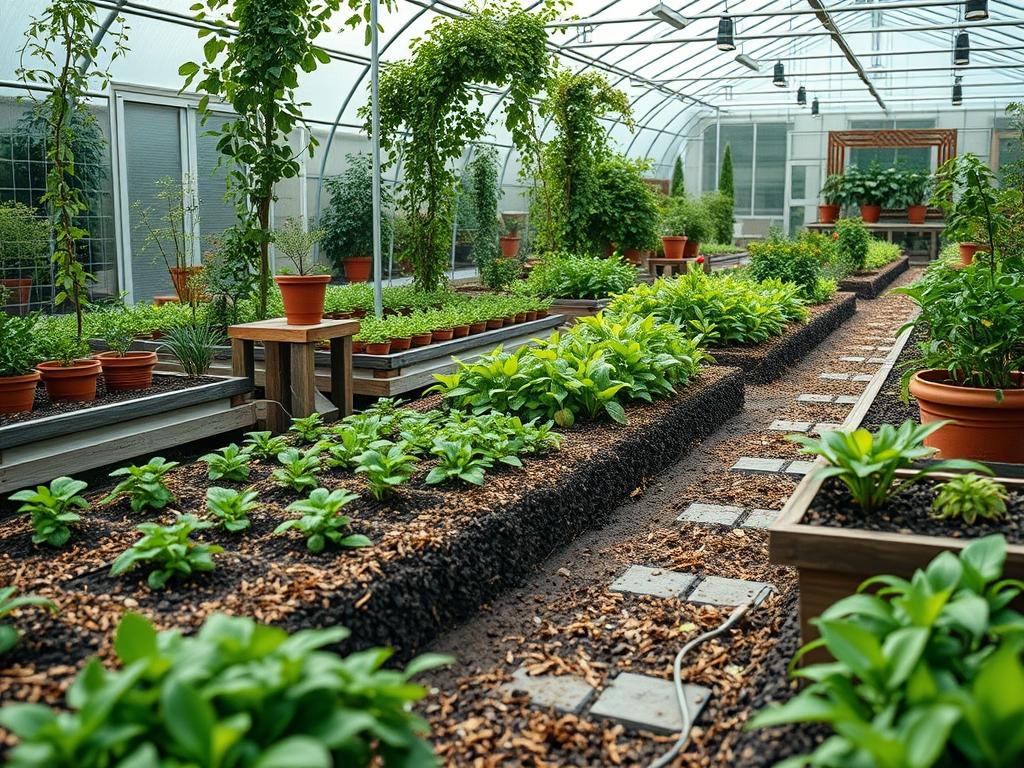
Managing water on a residential or commercial property has evolved from a simple task of diversion into a sophisticated discipline of site engineering. Traditionally, landscaping focused on shedding water away from structures as quickly as possible, often funneling runoff into municipal storm drains and contributing to downstream erosion. Modern Sustainable Drainage Solutions transition this focus toward onsite infiltration and ecological harmony. By treating stormwater as a resource rather than a waste product, we can enhance curb appeal while protecting the local watershed. The challenge for many homeowners is balancing the harsh realities of climate volatility with the desire for a lush, functional outdoor space. An effectively designed landscape does more than just look beautiful; it serves as a living sponge that mitigates flooding and recharges groundwater.
The intersection of aesthetics and utility is most visible when we consider how water moves across varying elevations. Proper site grading determines the success or failure of any outdoor project. If a yard is too flat, water stagnates, leading to root rot and mosquito breeding grounds. If the slope is too aggressive, it strips away topsoil and mulch, leaving behind unsightly gullies. Integrating rain gardens and permeable paving systems allows us to manipulate these variables with precision. These features act as the primary defense against site degradation, offering a way to manage heavy rainfall without resorting to ugly concrete culverts or plastic drainage pipes that detract from the property’s value.
Landscape Design Principles
Successful drainage design begins with the principle of visual balance and functional symmetry. A rain garden should not appear as a haphazard hole in the ground; rather, it should be designed as a deliberate focal point that anchors a specific zone of the yard. We often use the concept of elevation layers to create depth. By placing taller moisture-loving species in the center or “deep zone” of a depression and transitionary shrubs on the slopes, you create a tiered look that mimics natural wetlands. This verticality adds a sense of maturity to the landscape while providing the necessary surface area for water absorption.
Symmetry in a sustainable landscape is achieved through the repetitive use of textures and colors that guide the eye toward functional elements. For instance, a walkway made of Permeable Pavers can be bordered by a low Retaining Wall that double-jobs as a seating area and a silt barrier. Focal points should be placed where the water naturally gathers, such as the terminus of a dry creek bed or the overflow area of a downspout. Use a Transit Level or a Laser Level to ensure that your walkways have a consistent cross-slope toward planting beds, preventing water from pooling on walking surfaces. This ensures that every square foot of the hardscape contributes to the overall irrigation planning of the site.
Plant and Material Selection
| Plant Type | Sun Exposure | Soil Needs | Water Demand | Growth Speed | Maintenance Level |
| :— | :— | :— | :— | :— | :— |
| Swamp Milkweed | Full Sun | Moist Clay/Loam | High | Medium | Low |
| Blue Flag Iris | Full/Partial Sun | Wet/Boggy | High | Fast | Medium |
| River Birch | Full Sun | Variable/Moist | High | Fast | Moderate |
| Little Bluestem | Full Sun | Well-Drained/Dry | Low | Medium | Low |
| Joe Pye Weed | Full/Partial Sun | Moist/Rich | High | Fast | Low |
| Switchgrass | Full Sun | Deep/Moist | Moderate | Fast | Low |
| Cardinal Flower | Partial Shade | Rich/Humus | High | Medium | Moderate |
Implementation Strategy
The process begins with a thorough site analysis during a rain event to identify where water flows naturally. Once you have mapped these patterns, prioritize the installation of high-impact features like Permeable Pavers. Unlike traditional asphalt or concrete, these systems consist of specialized blocks with wide joints filled with No. 8 Aggregate. Below the surface, a reservoir of No. 57 Stone or No. 2 Stone provides a massive storage capacity for horizontal water movement. This aggregate layer should be at least 12 inches deep for vehicular traffic or 6 inches for pedestrian paths. Using a Plate Compactor is essential at every stage of the base installation to prevent future sagging or shifting.
Following the hardscaping, the excavation of rain gardens should commence. Aim for a depth of 6 to 12 inches with a flat bottom to ensure even infiltration across the entire surface area. If your native soil is heavy clay, you must replace the top 18 inches of soil with a custom blend of 50 percent sand, 25 percent compost, and 25 percent topsoil. This mix facilitates rapid drainage while providing the nutrients required for vigorous plant growth. Digging the basin is a task for a Backhoe or a Mini-Excavator on larger properties, though a high-quality Shovel and a Wheelbarrow suffice for smaller residential corners.
Once the grading and soil amendments are complete, install Non-Woven Geotextile Fabric at the transition points between different aggregate sizes to prevent fine particles from clogging the drainage system. Planting should follow a specific density, usually one plant every 12 to 18 inches, to ensure quick coverage and minimize weed competition. Finish the area with a 3-inch layer of Double-Shredded Hardwood Mulch. This specific type of mulch is preferred because it interlocks and is less likely to float away during a heavy storm than pine bark nuggets.
Common Landscaping Failures
The most frequent mistake in drainage planning is the lack of a defined overflow path. Every rain garden has a limit. If a storm exceeding a hundred-year event occurs, the excess water must have a safe, planned route to exit the basin without damaging the residential foundation or a neighbor’s property. Failing to calculate the “ponding time” can also lead to disaster. Water should disappear from the surface within 24 to 48 hours. If it remains longer, the soil is likely too compacted, or the base layer is insufficient. Soil compaction is a silent killer in new construction; heavy machinery often compresses the earth into a concrete-like state that rejects water entirely.
Another common failure involves root overcrowding and improper species selection. Many homeowners plant aggressive, water-thirsty trees like Willows too close to underground utility lines or French Drains. Over time, those roots will find the perforations in the drainage pipes and clog them completely. Additionally, using standard irrigation schedules in a rain garden often leads to over-watering. These systems are designed to be self-sustaining once the plants are established. Adding unnecessary water via an automated spray head can lead to anaerobic soil conditions where roots literally suffocate from a lack of oxygen.
Seasonal Maintenance
Spring is the critical season for checking the integrity of your Sustainable Drainage Solutions. Use a Stiff-Bristle Broom or a Power Blower to clear debris from the gaps in your Permeable Pavers. Silt and organic matter can accumulate in these cracks, significantly reducing the infiltration rate. If the gaps are clogged, you may need to use a vacuum-assisted cleaner to remove the old stone and replace it with fresh Clean Aggregate. This is also the time to prune any dead stalks from your perennials and check for signs of erosion near the downspout inlets.
During the heat of summer, the primary task is weed management and monitoring soil moisture during extended droughts. While rain garden plants are selected for their resilience, a young landscape may still require supplemental watering during its first two years of establishment. In autumn, leaf removal is paramount. If leaves are allowed to mat down in the bottom of a rain garden, they create an impermeable layer that prevents water from reaching the soil. Use a Leaf Rake to keep the basin clear. Winter maintenance involves being cautious with de-icing agents. Avoid using standard rock salt on Permeable Pavers, as it can leach into the groundwater. Instead, use small amounts of Calcium Chloride or simply more No. 8 Stone for traction.
Professional Landscaping FAQ
How do permeable pavers compare in cost to standard concrete?
While the initial investment for Permeable Pavers is roughly 20 to 30 percent higher than traditional concrete, they eliminate the need for separate storm drains and retention ponds. They also offer a longer lifespan with significantly lower repair costs over several decades.
Will a rain garden attract mosquitoes to my backyard?
No. Properly designed rain gardens drain within 48 hours. Mosquitoes require at least 7 to 10 days of standing water to complete their life cycle. By encouraging rapid infiltration, these gardens effectively disrupt the breeding process and reduce local pest populations.
Can I install these solutions on a steep slope?
Permeable paving is generally limited to slopes under 10 percent. For steeper elevations, we utilize Terracing and Retaining Walls to create flat “cells” that catch water. Rain gardens should always be located on the flatter portions of a site.
What is the best mulch for high-flow drainage areas?
Double-Shredded Hardwood Mulch is the industry standard. Its fibrous texture allows the pieces to knit together, creating a heavy mat that stays in place during heavy rain. Avoid light materials like Pine Straw or Wood Chips, which float easily.
How often should I clean the gravel in my paver joints?
You should inspect the joints annually. If you notice water pooling on the surface during a light rain, it is time to clean them. Typically, a deep cleaning with a Pressure Washer or vacuum is needed every 3 to 5 years.