
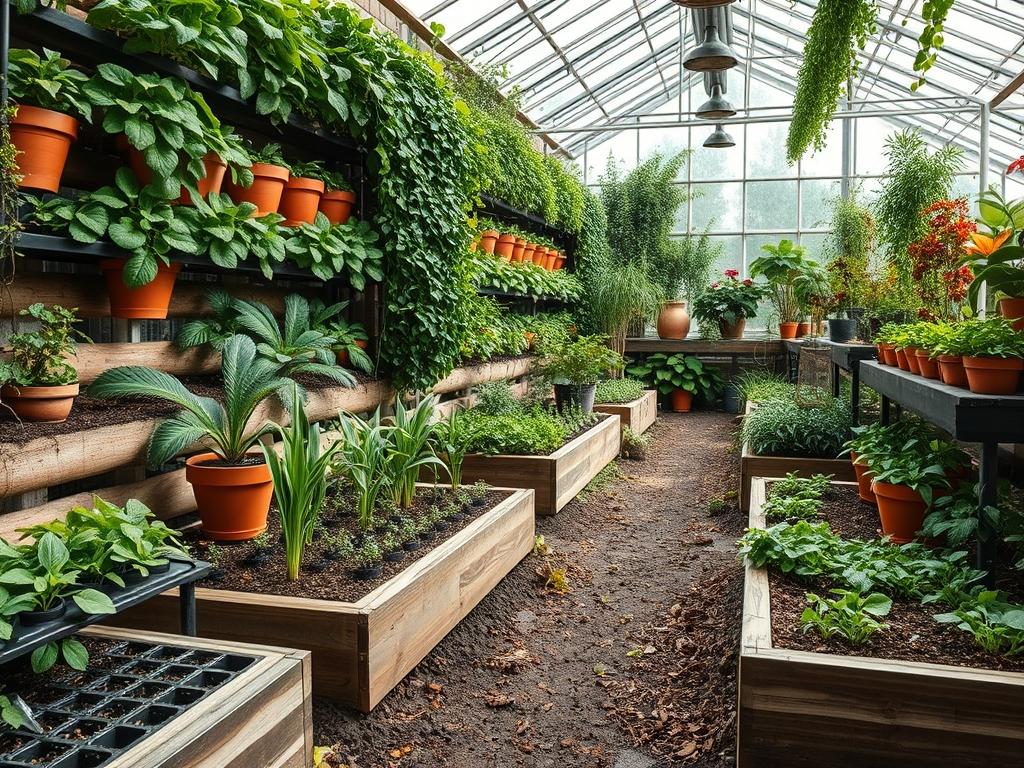
Urban property owners frequently face the challenge of creating a lush, restorative environment within a confined concrete footprint. As metropolitan areas become more densely populated, the traditional backyard is shrinking, forcing a shift in how landscape architects approach green space. Vertical garden landscaping provides a sophisticated solution to this geographic constraint, turning bare walls and boundary fences into living tapestries. This approach does more than just enhance aesthetics; it improves local air quality, provides natural thermal insulation, and significantly increases the resale value of a home through enhanced curb appeal. To succeed, a vertical installation must be treated as a complex engineering project that balances biological needs with structural integrity. Unlike traditional ground-level gardening, vertical systems must combat the constant pull of gravity on water and nutrients while resisting the unique wind loads found in high-rise or townhouse environments.
Landscape Design Principles
Effective vertical garden landscaping relies on the same fundamental principles as traditional estates, yet it executes them on a perpendicular plane. Symmetry and visual balance are paramount. A common mistake is to plant randomly, which results in a chaotic appearance that lacks a professional finish. Instead, designers should establish a clear focal point, such as a large-leafed Monstera deliciosa or a central cluster of vibrant Heuchera, to draw the eye. From this center, use elevation layers to create depth. By placing plants with significant foliage volume at the base and lighter, wispy varieties like Stipa tenuissima toward the top, you create a sense of grounded stability.
Elevation also dictates the irrigation planning within the design. Water naturally migrates downward, creating a moisture gradient where the bottom rows are often saturated while the top rows remain parched. To counter this, professional layouts often utilize zoned Drip irrigation systems. These systems allow for higher flow rates at the upper levels and lower flow rates at the bottom. Furthermore, walkways and access points must be integrated into the design. If a wall exceeds 6 feet in height, the design must account for the physical reach of the maintenance provider. Using tiered Retaining walls at the base can bridge the gap between the ground and the vertical surface, providing a cohesive transition that feels like a singular, integrated environment.
Plant and Material Selection
The success of a vertical installation is inextricably linked to the substrates and species chosen. You must select plants that share similar light and water requirements within the same vertical zone. The following table outlines optimal choices for diverse urban conditions.
| Plant Type | Sun Exposure | Soil Needs | Water Demand | Growth Speed | Maintenance Level |
| :— | :— | :— | :— | :— | :— |
| Pachysandra | Full Shade | Loamy/Rich | High | Slow | Low |
| Sedum Tetractinum | Full Sun | Gritty/Sandy | Low | Fast | Low |
| Asplenium nidus | Partial Shade | Aerated Peat | High | Medium | Moderate |
| Epipremnum aureum | Partial Sun | General Potting | Moderate | Fast | Low |
| Trachelospermum | Full Sun | Well-drained | Moderate | Fast | Moderate |
| Heuchera | Partial Shade | Neutral pH | Moderate | Medium | Low |
Materials for the structure itself should favor durability and moisture resistance. Galvanized steel frames or Marine-grade aluminum are preferred over wood, which eventually rots when in constant contact with moist growth media. For the containers or pockets, high-density Polyethelene or recycled Synthetic felt provides the necessary breathability for root systems while remaining lightweight enough for residential facade mounting.
Implementation Strategy
The transition from a conceptual design to a physical garden requires precise execution. The first step involves assessing the vertical surface. You must confirm that the wall is structurally sound and waterproofed. Many professionals install a 0.5-inch thick sheet of PVC plastic or a specialized waterproof membrane over the existing wall to prevent moisture from seeping into the residential structure. Once the barrier is secure, the framing is attached using Stainless steel anchors. Use a Laser level to ensure the horizontal lines are perfect, as even a small deviation will become glaringly obvious once the plants mature.
After the frame is set, the irrigation system is mapped out. Poly tubing is hidden behind the growth medium, with Emitters placed at the base of each individual plant pocket. Proper drainage is the next priority. A French drain or a gravel-filled Trench should be installed at the base of the wall to collect excess runoff and direct it away from the home foundation. For the planting process, start from the top and work your way down. This prevents soil and debris from falling onto already-installed plants below. Ensure that each plant is firmly seated in its pocket and that the Geotextile fabric is secured with Heavy-duty staples or Zip ties to prevent gravity from pulling the root ball out of position. Finally, apply a layer of Sphagnum moss or light Hardwood mulch to the top of each pocket to retain moisture and provide a finished appearance.
Common Landscaping Failures
The primary reason for vertical garden failure is inadequate drainage management. If the system does not allow water to flow freely through the media, soil compaction occurs. Compacted soil lacks the oxygen necessary for root respiration, leading to rapid root rot and plant death. Another frequent error is root overcrowding. Designers often overplant for immediate impact, but without a plan for radical pruning, the more aggressive species like Hedera helix will quickly smother slower-growing companions.
Improper spacing relative to sun exposure also creates issues. In a vertical environment, the top plants often cast shadows on the lower sections. Failure to account for this self-shading effect results in “leggy” growth at the bottom as plants stretch toward the light. Furthermore, irrigation inefficiencies often stem from a lack of Pressure regulators. Without these, the bottom emitters may experience significantly higher pressure than the top ones due to the weight of the water column in the pipes, leading to uneven hydration and catastrophic plant loss during heatwaves.
Seasonal Maintenance
A professional landscape requires year-round attention to maintain its architectural integrity. During the Spring, focus on nutrition and revitalization. Apply a Water-soluble fertilizer through the irrigation system, a process known as fertigation, to provide immediate nutrients to the root zones. This is also the time to replace any specimens that succumbed to winter dormancy. As Summer approaches, the priority shifts to hydration. Increase the frequency of irrigation cycles, ensuring that the system runs during the early morning hours to minimize evaporation. Monitor for pests like Aphids, which can spread rapidly across a densely packed vertical surface.
In Autumn, growth rates slow down. This is the ideal window for structural pruning. Remove dead wood and trim back aggressive vining species to maintain the original design intent. Check the tension of all Support wires and Brackets. Finally, Winter maintenance involves protecting the mechanical components. In colder climates, the irrigation lines must be blown out with compressed air to prevent freezing and bursting. If the garden features sensitive evergreen species, consider using a Desiccant spray or wrapping the wall in Burlap during extreme cold snaps to prevent windburn and moisture loss when the ground or media is frozen.
Professional Landscaping FAQ
How long does a vertical garden typically last?
With high-quality Aluminum framing and consistent Irrigation maintenance, a vertical system can last over fifteen years. The longevity depends on the durability of the waterproof barrier and the regular replacement of nutrient-depleted Growth media approximately every five years.
Can I install a vertical garden on a wooden fence?
Standard wooden fences often lack the structural capacity for the weight of a saturated garden. You must reinforce the posts with Concrete footings and use a Stand-off bracket system to allow airflow, preventing the wood from rotting behind the installation.
Are vertical gardens effective for noise reduction?
Yes, vertical gardens act as excellent acoustic buffers. The combination of dense foliage and porous Growth media absorbs high-frequency sounds, making them an ideal solution for urban homes located near busy streets or loud mechanical equipment like AC units.
What is the best way to prevent irrigation clogs?
Install a 200-mesh filter at the main water source to catch sediment. Additionally, use Pressure-compensating emitters which are designed to self-flush, reducing the buildup of mineral deposits and algae that can hinder water delivery to the upper canopy.
How much does a professional vertical wall weigh?
A fully saturated soil-based system can weigh between 20 and 30 pounds per square foot. It is critical to consult a structural engineer before mounting these systems to interior or exterior walls to ensure the Load-bearing capacity is sufficient.