
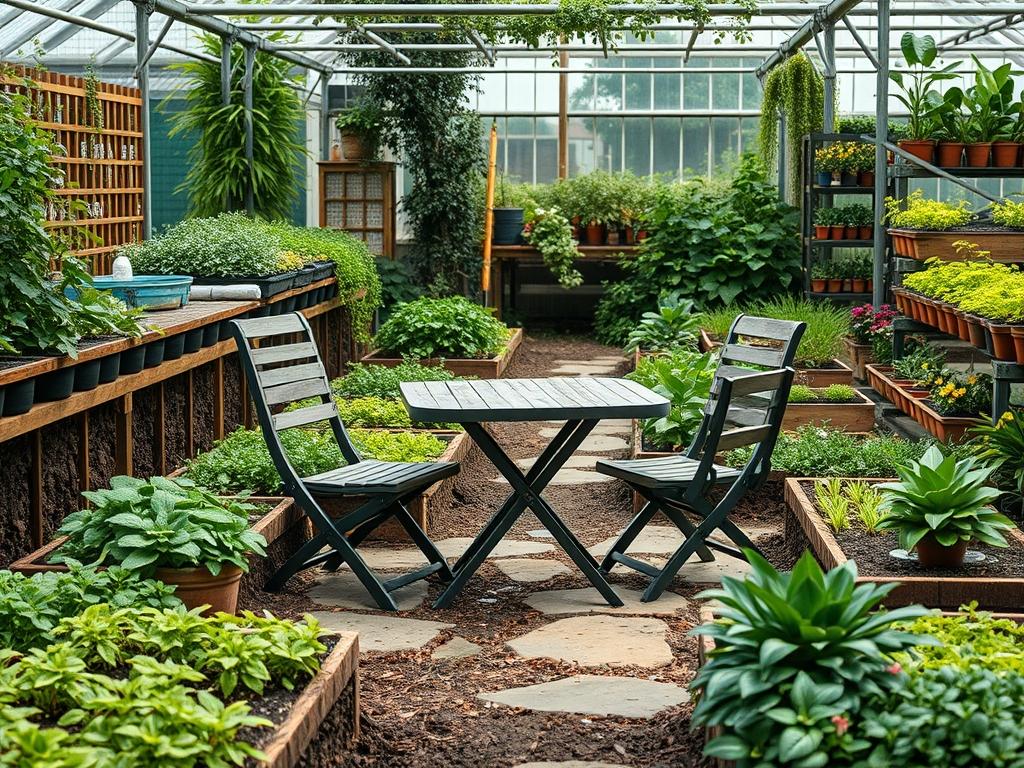
Modern landscape architecture increasingly prioritizes flexibility and adaptability over static, unchanging arrangements. As our living footprints shift toward multi-functional environments, the demand for high-quality outdoor spaces that can transform at a moment’s notice has never been higher. Folding Outdoor Furniture represents the pinnacle of this transitional design philosophy, allowing a single patio or garden terrace to serve as a quiet morning retreat, a professional home office, or a high-capacity entertaining space. Achieving this level of versatility requires a deep understanding of the intersection between hardscape durability and horticultural design. A well-planned landscape does more than just host furniture; it frames the experience through deliberate sightlines, sensory textures, and climate-responsive engineering. By focusing on the structural integrity of the ground plane and the biological health of the surrounding flora, we create environments that feel intentional rather than accidental. Success in this field is measured by how well the landscape handles the rigors of weather and usage while maintaining an aesthetic that enhances the property’s overall market value.
Landscape Design Principles
The foundation of a sophisticated outdoor environment lies in the application of core design principles like symmetry and focal points. When integrating Folding Outdoor Furniture, these principles must remain flexible. Symmetry provides a sense of order and calm, often achieved through the use of boxwood hedges or mirrored planters that flank a central seating area. However, because folding furniture is mobile, the designer must create “anchor points” using permanent features. A retaining wall built from limestone or stacked slate can serve as a fixed backdrop that maintains the garden’s structure even when the chairs are stored away.
Elevation layers are equally critical. By using laser levels to plan tiered sections, a landscape architect can designate specific zones for different activities. A slightly raised wooden deck composed of ipe or black locust can define the primary dining zone, while a lower, recessed area surfaced with pea gravel offers a more intimate setting for conversation. These transitions in height provide visual interest and help delineate space without the need for intrusive walls. Furthermore, the concept of visual balance must account for the “void” when furniture is removed. Using ornamental grasses like Miscanthus ensures that the landscape remains lush and architecturally significant throughout the year, regardless of the furniture’s presence. Every walkway should be planned with a minimum width of 36 inches to ensure easy movement when relocating items, using polymer sand to lock concrete pavers in place and prevent shifting over time.
Plant and Material Selection
Selecting the right biological and mineral components is essential for a low-maintenance yet high-impact garden. The following table outlines primary plant choices that complement the clean lines of modern folding furniture designs.
| Plant Type | Sun Exposure | Soil Needs | Water Demand | Growth Speed | Maintenance Level |
| :— | :— | :— | :— | :— | :— |
| Lavender | Full Sun | Well-drained, Sandy | Low | Medium | Low |
| Japanese Maple | Partial Shade | Slightly Acidic, Loamy | Moderate | Slow | Medium |
| Blue Oat Grass | Full Sun | Lean, Dry | Very Low | Fast | Low |
| Star Jasmine | Full Sun to Shade | Rich, Organic | Moderate | Fast | Moderate |
| Hydrangea | Partial Sun | Moist, Well-drained | High | Medium | Moderate |
| Dwarf Boxwood | Full Sun to Shade | Neutral pH | Moderate | Slow | Low |
In addition to flora, the choice of hardscaping materials dictates the longevity of the space. Powder-coated aluminum and teak are the gold standards for folding furniture frames due to their resistance to moisture and UV degradation. For the ground surface, natural stone pavers set on a 4-inch base of compacted gravel offer a stable, level surface that prevents furniture from wobbling or sinking during use.
Implementation Strategy
Executing a professional-grade landscape requires a systematic approach to site preparation. The first step involves a comprehensive site analysis where we measure the topography and identify existing drainage patterns. Grading is the most vital technical phase; the land must slope away from structures at a minimum of 2 percent to prevent water accumulation. After the rough grade is established, we install the irrigation system, utilizing drip emitters for plant beds to maximize water efficiency and pop-up rotors for turf areas.
Once the infrastructure is underground, we focus on the hardscape. For areas intended for Folding Outdoor Furniture, the surface must be perfectly level. We use a plate compactor to solidify the sub-base, followed by a layer of bedding sand. Edging tools are used to create crisp borders between the crushed granite paths and the planting zones. When it comes to the softscape, we apply a 3-inch layer of hardwood mulch to retain moisture and suppress weeds. This mulch should be kept a few inches away from the base of shrubs and trees to prevent bark rot. Finally, we install low-voltage LED landscape lighting to highlight focal points and ensure the space is functional after sunset.
Common Landscaping Failures
Failure in outdoor design often stems from neglecting the invisible forces of nature. The most frequent mistake is poor drainage management. When water pools around the legs of furniture or near the roots of native plants, it leads to material oxidation and plant death through root asphyxiation. We often see homeowners forget to include French drains or catch basins in low-lying areas, which results in a muddy, unusable space during the wet season.
Root overcrowding is another sign of poor planning. A clumping bamboo or a large willow tree might look beautiful in a 15-gallon pot, but when planted too close to a retaining wall or patio, the aggressive root systems can heave concrete slabs and crack stone masonry. Improper spacing also leads to poor air circulation, inviting fungal diseases like powdery mildew. Soil compaction is the silent killer of urban landscapes; without the use of an aerator or the addition of organic compost, the soil becomes as dense as concrete, preventing oxygen and water from reaching the root zone. Designers must also ensure that the irrigation controller is calibrated correctly, as over-watering is just as damaging as a drought.
Seasonal Maintenance
A professional landscape is a living entity that requires curated care throughout the four seasons. In the spring, the focus is on rejuvenation. We prune deciduous shrubs, apply a balanced slow-release fertilizer, and inspect the irrigation lines for leaks or clogged nozzles. This is also the time to clean the Folding Outdoor Furniture using a mild soap solution and check all hinges and locking mechanisms for wear.
Summer demands a focus on water management. During heatwaves, we adjust the irrigation timers to run in the early morning to minimize evaporation. We also deadhead spent blooms on perennials like Coneflowers to encourage a second flush of color. As autumn approaches, the strategy shifts to preparation. We rake fallen leaves to prevent them from staining the natural stone and apply a layer of winter mulch to protect sensitive root systems from the upcoming freeze. In the winter, high-end folding furniture should be cleaned, dried, and stored in a sheltered area if possible. For permanent landscape features, we ensure that outdoor faucets are drained and covered. If there is heavy snowfall, it is vital to keep snow off of fragile evergreen branches to prevent breakage, ensuring the architectural skeleton of the garden remains intact until the cycle begins again.
Professional Landscaping FAQ
What is the best material for a level furniture surface?
For Folding Outdoor Furniture, large-format porcelain pavers or bluestone set on a compacted aggregate base provide the most stable surface. These materials prevent the narrow legs of folding chairs from slipping into gaps or sinking into soft earth.
How do I prevent my wooden furniture from rotting?
Ensure your landscape has a sub-surface drainage system to keep the patio dry. Additionally, use furniture made of teak or cedar, and apply a UV-rated sealant annually to protect the wood from moisture and sun-induced silvering.
Can I put folding chairs directly on the grass?
While possible for temporary events, long-term placement on turf leads to soil compaction and yellowing of the grass. To avoid this, create “landing zones” using stepping stones or a decomposed granite paddock specifically designed for flexible seating arrangements.
How much slope does my patio need for drainage?
A professional standard is a 1-inch drop for every 4 feet of length. This subtle pitch is enough to direct rainwater away from your home and furniture storage areas without being noticeable to the naked eye or affecting furniture stability.
Which plants offer the best privacy for a small patio?
Consider clumping bamboo in raised planters or Arborvitae hedges. These provide a dense, vertical green screen that blocks neighbors’ views while creating a lush, quiet backdrop for your Folding Outdoor Furniture and outdoor dining activities.