
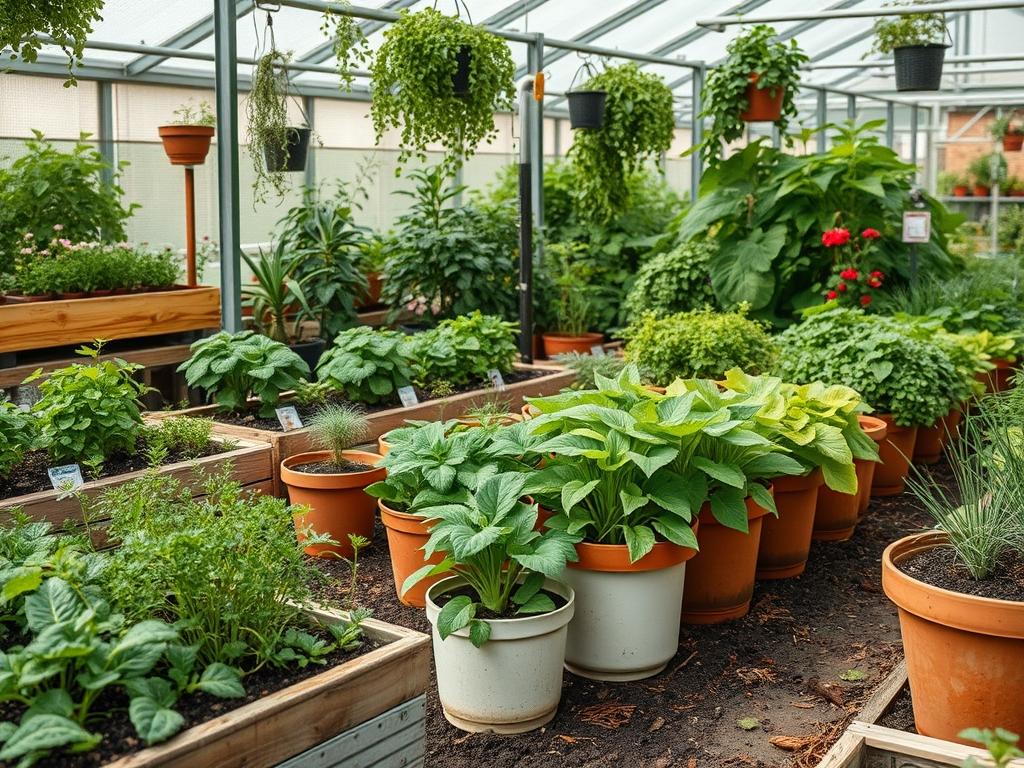
Urban landscape architecture often demands a sophisticated reconciliation between rigid structural boundaries and the fluid requirements of living biological systems. For the urban dweller, the challenge is rarely a lack of vision; it is a lack of horizontal space. Transforming a balcony, rooftop, or narrow terrace into a high performing outdoor environment requires more than just placing a few pots. It involves a deep understanding of microclimates, structural load limits, and the spatial dynamics that influence how humans interact with small areas. The true container gardening secrets lie in treating these miniature environments as holistic ecosystems rather than isolated decorations. By integrating professional design principles, you can enhance curb appeal and create a functional extension of your interior living space that remains resilient against the harsh conditions of the city.
Landscape Design Principles
Successful urban container gardening mimics the complexity of a natural landscape through the strategic use of symmetry and focal points. In a confined space, a single large Glazed Ceramic Planter acting as a focal point often provides more visual impact than many small, cluttered pots. Architecture thrives on balance. You should employ the principle of elevation layers to maximize vertical real estate. This involves using Tiered Plant Stands or wall mounted systems to draw the eye upward, which makes a small footprint feel expansive.
Circulation and walkways are just as vital on a terrace as they are in a traditional backyard. Even in a space measuring only 10 feet by 10 feet, there must be a clear path for movement. You should leave at least 36 inches of clearance for primary walkways to ensure the space remains functional for guests. Irrigation planning is another critical design pillar. While manual watering is an option, a professional grade Drip Irrigation System hidden behind the rims of containers ensures consistent moisture levels without the aesthetic clutter of hoses. Finally, visual balance is achieved by mixing textures. Pair the soft, billowing foliage of Ornamental Grasses against the hard, industrial lines of Weathered Steel containers to create a modern, sophisticated aesthetic.
Plant and Material Selection
Selecting the right biological components is the pivot point between a thriving garden and a maintenance nightmare. Urban environments often suffer from the heat island effect, where buildings absorb and radiate heat, which makes drought tolerance a priority.
| Plant Type | Sun Exposure | Soil Needs | Water Demand | Growth Speed | Maintenance Level |
| :— | :— | :— | :— | :— | :— |
| Japanese Maple | Partial Shade | Well drained, acidic | Moderate | Slow | Medium |
| English Lavender | Full Sun | Gritty, alkaline | Low | Moderate | Low |
| Dwarf Boxwood | Full to Part Sun | Loamy, rich | Moderate | Slow | High (Pruning) |
| Creeping Jenny | Sun to Shade | Moist, fertile | High | Fast | Low |
| Meyer Lemon | Full Sun | Specialized citrus mix | Moderate | Medium | Medium |
| Blue Oat Grass | Full Sun | Lean, well drained | Low | Moderate | Low |
When selecting materials, prioritize durability and weight. Fiberglass Planters are a favorite for senior landscape architects because they offer the look of heavy stone or concrete without the structural risk to balconies. Smart Pots made of fabric are excellent for root aeration. For drainage, always use Geotextile Fabric over the drainage holes to prevent soil from washing out and clogging your balcony’s scuppers or drains.
Implementation Strategy
The transition from a design plan to a physical garden requires a systematic approach to implementation. Begin by assessing the load bearing capacity of your outdoor space. A standard 20 inch container filled with wet soil and a mature plant can weigh over 100 pounds. Distribute this weight toward the perimeter of the balcony where structural support is typically highest.
Once placement is determined, focus on the foundation. Unlike traditional ground landscaping where you grade the earth, urban container gardening requires you to ensure the containers are level on the existing hardscaping. Use Rubber Pot Feet to elevate containers. This prevents moisture from being trapped against the flooring, which avoids staining and rot. For the soil profile, avoid standard garden soil which compacts too easily in pots. Use a high quality Soilless Potting Mix containing Perlite, Vermiculite, and Peat Moss or Coconut Coir.
When planting, follow the thriller, filler, spiller method for professional results. The thriller is your tall focal plant like a Skyrocket Juniper. The filler consists of mid range plants like Geraniums, and the spiller includes trailing plants like Sweet Potato Vine. After planting, apply a 2 inch layer of Organic Mulch or Decorative River Pebbles to the surface of the soil. This layer is essential for moisture retention and gives the installation a finished, professional look.
Common Landscaping Failures
The most frequent failure in container gardening is improper drainage. Many urban gardeners believe that a layer of gravel at the bottom of a pot helps drainage; however, this actually creates a perched water table that can lead to root rot. Water does not move easily from the fine texture of soil into the coarse texture of gravel until the soil is completely saturated. Instead, use a pot with a clear exit hole and a consistent soil medium throughout.
Another common pitfall is root overcrowding. When plants are pushed beyond their container capacity, they become stressed and susceptible to pests. You must monitor the growth of species like Bamboo or Agave, which can eventually crack Plastic or Terra Cotta pots if not repotted every 2 to 3 years. Soil compaction is also an invisible killer. Over time, the organic matter in your potting mix breaks down, which reduces oxygen flow to the roots. If the soil has shrunken by more than 3 inches from the rim of the pot, it is time to refresh the media. Lastly, many dwellers ignore the wind. High rise balconies experience much higher wind speeds than ground level gardens, which leads to rapid desiccation. Failure to provide windbreaks or choose wind resistant species like Mountain Pine often results in scorched foliage.
Seasonal Maintenance
Landscape management is a year round commitment that changes with the sun’s trajectory. In the spring, focus on resuscitation. Remove the top 3 inches of old mulch and replace it with fresh Compost to jumpstart the biological activity. This is also the time for structural pruning of Deciduous Shrubs before they fully leaf out.
Summer maintenance is dominated by irrigation and nutrient management. In extreme heat, containers may require watering two times a day. Because containers are leached of nutrients quickly due to frequent watering, apply a Water Soluble Fertilizer every 14 days to maintain plant vigor. Autumn is the season for transition and protection. Remove spent annuals and replace them with cold hardy specimens like Ornamental Kale or Chrysanthemums.
Winter presents the greatest challenge for container survival. The roots of plants in pots are far more exposed to freezing temperatures than those in the ground. Use Burlap Wraps or Insulating Foam around sensitive pots to mitigate the freeze thaw cycle. For smaller containers, move them to a sheltered location or group them together to huddle their thermal mass. Avoid overwatering during the winter, as dormant plants require very little moisture, and excess water can freeze, which causes the container to expand and shatter.
Professional Landscaping FAQ
What is the best way to ensure proper drainage in large pots?
Always ensure the container has functional drainage holes at the base. Use a Mesh Screen over the hole to prevent soil loss. Elevate the pot using Pot Feet to allow water to exit freely without creating suction against the ground.
How do I calculate the weight limit for my balcony garden?
Consult your building’s structural engineer or architectural blueprints. Most modern balconies are rated for 40 to 60 pounds per square foot. Use lightweight Composite Materials and Expanded Clay Pellets at the base of large pots to reduce total weight.
Can I use native plants in urban containers?
Yes, Native Plants are excellent for containers because they are adapted to the local climate. Species like Coneflower or Little Bluestem provide essential habitat for urban pollinators and generally require less supplemental fertilization or chemical pest control.
Why are my container plants wilting despite daily watering?
This is often caused by hydrophobic soil or root rot. If the soil has dried out completely, it may repel water. Use a Wetting Agent or submerge the base of the pot in water to rehydrate the root ball thoroughly.
What are the most durable materials for urban planters?
For longevity and aesthetics, Powder Coated Aluminum and Fiberglass are superior. They resist UV degradation and do not crack during heavy frosts. For a more natural look, Cedar or Ipe Wood offers excellent rot resistance when properly sealed.