
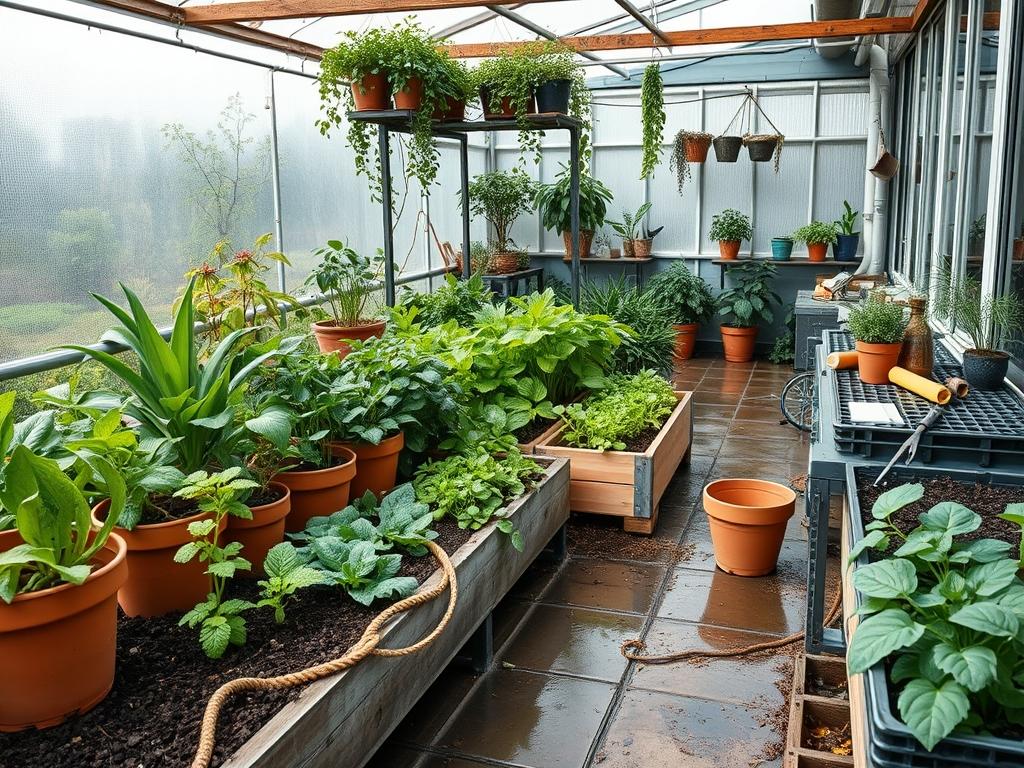
Cultivating a productive herb garden within the confines of a balcony requires a strategic shift in perspective from horizontal breadth to vertical depth and efficiency. As a landscape architect, I view the balcony not as a secondary storage space but as a high intensity micro-environment capable of significant yields and profound aesthetic impact. The challenge lies in managing variables that traditional gardeners rarely face, specifically increased wind velocity, heat reflection from glass facades, and the finite structural load capacity of the building. Successful balcony herb layouts must transform a utilitarian concrete slab into a functional outdoor room that enhances the curb appeal of the entire building while providing a culinary sanctuary. We must treat the balcony as a site with unique hydrological and thermal characteristics, ensuring that every square inch contributes to the overall ecosystem.
Outdoor functionality goals for these spaces revolve around accessibility and ergonomics. A well designed layout ensures that the chef does not have to navigate a labyrinth of scattered pots to harvest a handful of Basil. Instead, the design should integrate seamlessly with the rhythm of daily life, positioning high moisture plants near water sources and sun loving perennials in the direct path of solar radiation. By applying professional landscaping principles to these small scale environments, we can mitigate the harsh effects of urban heat islands and create a lush, productive buffer that softens the architectural lines of the urban landscape.
Landscape Design Principles
In the realm of balcony herb layouts, symmetry and focal points act as the anchors of the design. A large, woody Rosemary shrub or a substantial Bay Laurel tree in a heavy Ceramic Planter serves as a primary focal point, drawing the eye and providing a sense of permanence. From this anchor, we establish symmetry by mirroring smaller containers, such as Terracotta Pots, on either side of the main feature. This creates a visual balance that prevents the space from looking cluttered or haphazard. The goal is to move beyond the collection of disparate containers and toward a cohesive architectural statement.
Elevation layers are perhaps the most critical principle for the balcony consultant. Because floor space is expensive and limited, we must utilize verticality through the use of Tiers, Ladder Shelves, and Wall Mounted Planters. Placing sun thirsty herbs like Oregano and Thyme at the highest, most exposed levels allows them to soak up maximum light, while shade tolerant varieties like Mint or Lemon Balm can thrive in the shadows cast by the upper tiers. This layering mimics the natural stratification found in ground based landscapes, maximizing the photosynthetic potential of the footprint.
Irrigation planning is frequently overlooked in small spaces, leading to manual watering fatigue. Professional layouts incorporate discrete Drip Irrigation Systems or Self Watering Reservoirs hidden within the aesthetic framework. These systems ensure consistent moisture levels, which is vital because containers lose water significantly faster than the ground. Furthermore, walkways must be maintained with a minimum clearance of 24 inches to allow for safe movement and maintenance. A clear path ensures that the garden remains a functional extension of the home rather than a barrier to the outdoor view.
Plant and Material Selection
The selection of species and materials determines the longevity of the balcony garden. We prioritize hardy varieties that can withstand the desiccating effects of wind and the restricted root zones of containers.
| Plant Type | Sun Exposure | Soil Needs | Water Demand | Growth Speed | Maintenance Level |
| :— | :— | :— | :— | :— | :— |
| Rosemary | Full Sun | Sandy, Well drained | Low | Moderate | Low |
| Sweet Basil | Full Sun | Rich, Organic | High | Fast | Moderate |
| French Thyme | Full Sun | Lean, Gritty | Low | Moderate | Low |
| Peppermint | Partial Shade | Moist, Fertile | High | Aggressive | High (Containment) |
| Chives | Partial Sun | Loamy, Moist | Moderate | Moderate | Low |
| English Lavender | Full Sun | Alkaline, Gritty | Low | Moderate | Moderate |
| Coriander | Partial Sun | Light, Well drained | High | Very Fast | High (Bolting risk) |
Material selection should favor lightweight, UV resistant options. Fiberglass planters and High Density Polyethylene (HDPE) containers offer the look of stone or concrete without the excessive weight that might exceed structural limits. For mulch, use Fine Grade Fir Bark or Decorative River Pebbles to reduce evaporation and keep soil temperatures stable during peak summer afternoons.
Implementation Strategy
The implementation of a balcony layout begins with a detailed site analysis, focusing on the wind direction and the duration of direct sunlight. Begin by grading your containers; although the balcony floor is flat, you should ensure that the interior soil surface is leveled slightly below the rim to prevent overflow during watering. Start by installing the largest Hardscaping elements first, such as Cedar Trellises or Wrought Iron Racks, as these define the skeletal structure of the garden.
Once the framework is set, focus on drainage. Every container must have a layer of Geo-textile fabric at the bottom to prevent soil migration, followed by a drainage medium like Expanded Clay Pebbles. Do not use traditional gravel, as it adds unnecessary weight. When filling containers, use a high quality Soilless Potting Mix amended with Perlite or Vermiculite to ensure adequate aeration around the roots.
For edging and containment, use Recycled Plastic Edging within larger troughs to separate different herb species, especially those with invasive rhizomes like Mint. Apply a 2 inch layer of mulch across the surface of all pots to suppress weeds and retain moisture. If the balcony is particularly exposed, consider installing a Windbreak made of Perforated Metal Panels or high density Lattice to protect delicate foliage from windburn. This structural approach ensures that the garden is built on a foundation of professional horticultural standards.
Common Landscaping Failures
The most prevalent failure in balcony gardening is inadequate drainage. Simply having a hole in the bottom of a pot is often insufficient; if the pot sits flush against a non-porous balcony floor, the water cannot exit, leading to hydrostatic pressure and root rot. We solve this by using Pot Feet or Elevated Caddies to ensure air can circulate underneath the container. Another common mistake is soil compaction. In the confined space of a pot, regular organic soil will eventually compress, squeezing out oxygen and suffocating the plant. Using a professional grade Peat-free potting substrate is essential for long term health.
Root overcrowding occurs when fast growing herbs are not potted on or divided. Perennials like Chives and Lavender require root pruning or larger vessels every two seasons to maintain vigor. Furthermore, irrigation inefficiencies often stem from “top watering,” where water hits the foliage but never reaches the root ball. This is particularly problematic in dense layouts. A specialized Long Neck Watering Can or a plumbed Micro-irrigation line is the professional solution to ensure deep, consistent hydration. Finally, failing to account for the “heat sink” effect of concrete walls can lead to scorched plants; always leave a 3 inch gap between your containers and the building facade.
Seasonal Maintenance
Spring is the season for revitalization and structural assessment. This is the time to prune back woody herbs like Sage and Rosemary to encourage new growth. It is also the ideal window to refresh the top 3 inches of soil with Organic Compost and check the integrity of your Irrigation Tubing for any winter damage or mineral clogs.
Summer demands a focus on hydration management. During heat waves, herbs may require watering twice daily. Monitor for pests like aphids or spider mites, which thrive in stagnant, hot air. Utilizing a Handheld Pressure Sprayer to mist the foliage can help lower the ambient temperature around the plants.
Autumn is characterized by the hardening off process. Reduce nitrogen heavy fertilizers to allow plants to prepare for dormancy. This is also the time to harvest and dry large quantities of Oregano, Thyme, and Bay Leaves. Clear away any spent annuals like Basil or Coriander to prevent fungal pathogens from overwintering in the debris.
Winter maintenance involves protecting the root systems of perennial herbs from freeze-thaw cycles. Wrap sensitive pots in Burlap or Bubble Wrap, and move smaller containers to the most sheltered corner of the balcony. While the plants are dormant, water them sparingly, only when the soil is dry to a depth of 2 inches, to prevent the root ball from completely desiccating.
Professional Landscaping FAQ
How do I calculate the weight limit for my balcony garden?
Consult your building’s structural engineer or original blueprints. Generally, standard balconies support 40 to 60 pounds per square foot. Use lightweight Fiberglass containers and Soilless mixes to stay well within these critical safety margins.
Can I grow native plants effectively on a high-rise balcony?
Yes, many Native Wildflowers and Native Herbs like Monarda or Wild Thyme thrive in containers. They are adapted to local climate fluctuations and provide essential resources for urban pollinators, significantly enhancing the local ecological footprint.
What is the best way to prevent wind damage on upper floors?
Secure tall plants to Support Stakes or Wall-mounted Trellises. Grouping containers together creates a communal windbreak. For extreme heights, utilize heavy Concrete-fiber hybrid pots with a low center of gravity to prevent tipping during storms.
How often should I replace the potting soil in my herb layout?
While you do not need to replace all soil annually, you should refresh the top layer every spring. Every three years, perform a full soil change for perennials to prevent salt buildup and maintain a healthy Cation Exchange Capacity.
How do I deal with drainage runoff affecting neighbors below?
Always use Deep Saucers or a Deck Plate System to catch excess water. For a professional finish, connect the drainage holes of multiple pots to a single Collection Manifold that directs runoff toward the balcony’s primary floor drain.