
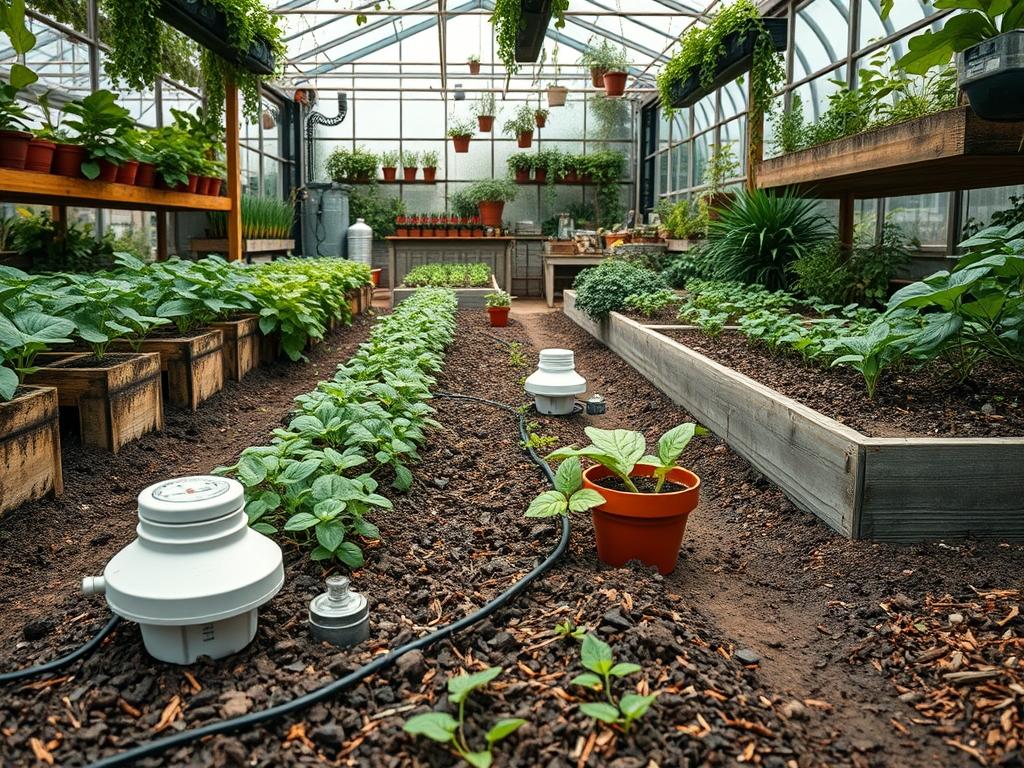
Maintaining a high-end landscape requires a delicate balance between aesthetic ambition and environmental responsibility. In an era where water scarcity increasingly dictates local regulations, the modern landscape architect must look beyond simple aesthetics toward intelligent resource management. Achieving a lush, vibrant garden that enhances curb appeal while minimizing waste is a primary goal for any site plan. One of the most significant revolutions in this field is the integration of advanced irrigation technology. Specifically, soil moisture sensors have transitioned from niche agricultural tools to essential components of residential and commercial outdoor design. These devices provide real-time data on the volumetric water content within the root zone, ensuring that irrigation systems only activate when the earth truly requires hydration. This prevents the common pitfall of overwatering, which can be as detrimental to plant health as a drought.
A primary challenge in landscape design is the diversity of microclimates within a single property. A north-facing slope shaded by a retaining wall will have vastly different evaporation rates than a south-facing flat lawn. Without precise data, traditional timers tend to apply a uniform amount of water across these distinct zones, leading to saturation in some areas and dehydration in others. By strategically placing soil moisture sensors in different hydrozones, property owners can achieve a more resilient environment. This precision not only protects your investment in expensive specimens like Japanese Maples or Boxwood hedges but also preserves the structural integrity of hardscaping by preventing subsurface erosion and soil expansion.
Landscape Design Principles
Successful landscaping is built upon a foundation of core principles that guide the eye and accommodate the functional needs of the inhabitants. Symmetry and focal points are the first elements a consultant considers. Symmetry creates a sense of order and formality, often achieved through paired plantings of Emerald Green Arborvitae or identical stone planters flanking an entryway. Focal points, such as a large granite water feature or a specimen Weeping Cherry tree, draw the viewer’s attention and provide a conceptual anchor for the rest of the design.
Elevation layers are equally critical in professional garden planning. By varying the height of plant material, from groundcovers to mid-level shrubs and high canopy trees, we create a sense of depth and enclosure. This vertical interest is often bolstered by retaining walls, which solve grading issues while providing additional planting tiers. Proper irrigation planning must account for these elevation changes; water naturally migrates to lower points on a property. Therefore, sensors must be calibrated to recognize the difference in drainage rates between a high-elevation raised bed and a low-lying rain garden.
Walkways and visual balance round out the structural requirements of the site. Pathways made of flagstone or decomposed granite should feel intuitive, leading visitors naturally through the environment. Visual balance ensures that no single side of the garden feels heavier or more cluttered than the other. When these principles are combined with a data-driven irrigation strategy, the result is a landscape that looks intentional, remains healthy throughout the seasons, and functions as a seamless extension of the home.
Plant and Material Selection
The following table provides a selection of plants frequently utilized in professional landscapes where water efficiency and aesthetic impact are prioritized.
| Plant Type | Sun Exposure | Soil Needs | Water Demand | Growth Speed | Maintenance Level |
| :— | :— | :— | :— | :— | :— |
| Lavender | Full Sun | Well-Drained | Low | Moderate | Low |
| Dwarf Boxwood | Full to Part Sun | Loamy/Neutral | Moderate | Slow | Medium |
| Creeping Thyme | Full Sun | Sandy/Rocky | Low | Fast | Low |
| Hostas | Full Shade | Rich/Humus | Moderate to High | Moderate | Medium |
| Blue Oat Grass | Full Sun | Lean/Dry | Low | Moderate | Low |
| Hydrangea | Part Shade | Fertile/Moist | High | Fast | Medium |
| Agave | Full Sun | Gritty/Sandy | Very Low | Slow | Low |
Implementation Strategy
The transition from a design on paper to a physical landscape requires a systematic implementation strategy. The first phase is site preparation, which involves grading the land to ensure that water moves away from the home foundation and toward designated drainage areas. During this phase, any soil compaction issues must be addressed using a mechanical aerator, as compacted earth prevents oxygen and water from reaching deep root systems.
Once the grade is established, the irrigation pipes and soil moisture sensors should be installed before any ornamental plants are placed. Sensors should be buried at varying depths, typically 6 inches for turf and 12 to 18 inches for large shrubs or trees, to monitor the specific needs of different root architectures. Following the irrigation setup, hardscaping elements like pavers and edging are installed to define the boundaries of the garden beds.
The next step is the actual planting, where specimens are placed according to the sun exposure and spacing requirements identified in the design phase. Each plant should be set into a hole twice the width of its root ball and backfilled with a mix of native soil and organic compost. Finally, a uniform layer of fine-textured mulch, approximately 3 inches deep, is applied across all bare soil surfaces. This mulch layer is vital for moisture retention, temperature regulation, and weed suppression.
Common Landscaping Failures
The most frequent failure in professional landscaping is improper drainage. When water is allowed to pool near plant crowns or foundation walls, it leads to root rot and structural instability. Many homeowners mistakenly believe that adding more water will solve the yellowing of leaves, when in fact, the plant is suffocating from a lack of oxygen in saturated soil. Soil moisture sensors mitigate this by providing an objective measurement of saturation levels.
Root overcrowding and improper spacing are also common mistakes. A young Oak tree might look small today, but failing to account for its future 20-foot spread will eventually lead to it encroaching on power lines or damaging nearby retaining walls. Similarly, failing to remove the burlap and wire baskets from nursery stock can girdle the roots as the tree grows. Lastly, irrigation inefficiencies often stem from “set it and forget it” mentalities. Without seasonal adjustments to the controller, gardens are frequently overwatered in the cool spring and underwatered during the peak heat of August.
Seasonal Maintenance
Seasonal management is what separates a fading garden from a thriving estate. In the Spring, the focus is on cleanup and preparation. This involves pruning dead wood from hydrangeas, applying a fresh layer of hardwood mulch, and testing the irrigation system to ensure no pipes burst during the winter freeze. Check your soil moisture sensors for battery life and recalibrate them to ensure accuracy before the growing season begins.
During the Summer, the priority shifts to stress management. High temperatures and increased evaporation rates mean that monitoring sensor data becomes a daily task. Avoid heavy pruning during heat waves, as this can shock the plants. Instead, focus on deadheading spent blooms to encourage a second flush of flowers. Ensure that walkways are kept clear of encroaching groundcovers to maintain the clean lines of the design.
Autumn is the ideal time for planting and soil amendment. The soil is still warm, but the air is cooler, allowing roots to establish without the stress of extreme heat. Apply a slow-release fertilizer and plant spring-flowering bulbs like Tulips or Daffodils. This is also the time to clear fallen leaves from drainage grates to prevent flooding during late-season rains.
In Winter, maintenance is primarily protective. In colder climates, irrigation systems must be professionally “blown out” with compressed air to prevent ice damage. Tender species may require wrapping in burlap to protect against frost burn. While the landscape is dormant, use this time to assess the “bones” of the garden, noticing where evergreens or hardscape elements might be needed to provide better winter interest and structure.
Professional Landscaping FAQ
How do soil moisture sensors reduce monthly water utility costs?
By measuring actual volumetric water content, sensors prevent irrigation systems from running during rain events or when the soil is already saturated. This targeted delivery eliminates waste, often reducing outdoor water consumption by twenty to forty percent annually.
Where is the most effective location to install a sensor?
Place sensors in the “average” area of each hydrozone, away from extreme slopes or specialized microclimates. Ensure they are positioned in the active root zone of your plants, typically between six and twelve inches deep for most ornamental landscapes.
Can these sensors be integrated into existing older irrigation systems?
Most modern sensors are compatible with standard twenty-four-volt irrigation controllers. Some professional-grade wireless versions can be retrofitted easily by adding a receiver to the main clock, allowing for an immediate upgrade to a “smart” weather-based system.
Do soil moisture sensors require frequent manual calibration?
High-quality digital sensors generally require very little maintenance once installed. It is professional best practice to check the probe contacts and battery levels once a year during your spring system startup to ensure data remains consistent and accurate.
Is it necessary to have more than one sensor for a small yard?
Ideally, you should have one sensor for every unique hydrozone. Even in small yards, a shaded flower bed and a sun-drenched lawn have different needs. Using at least two sensors ensures each area receives optimal hydration without overwatering.