
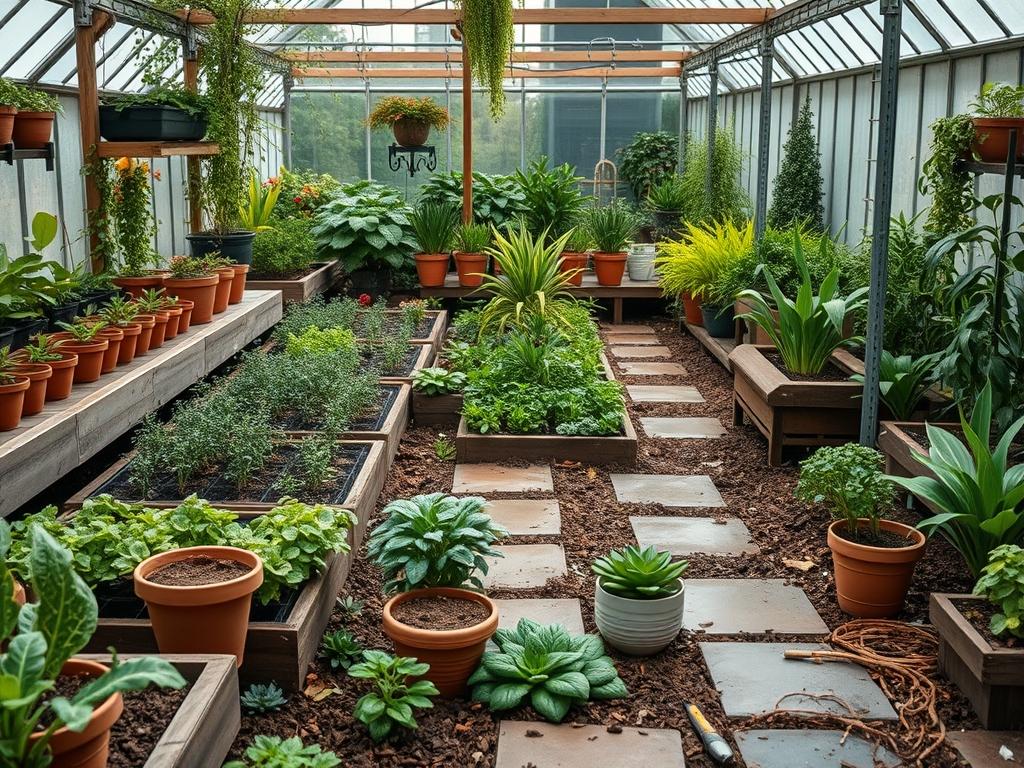
Transforming a standard backyard into a sophisticated outdoor retreat requires a shift in perspective. Instead of viewing the garden as a collection of plants, homeowners and designers should view it as a structural extension of the architecture itself. Geometric patio layouts provide the necessary framework to balance natural organic growth with human-made precision. This approach is particularly effective for improving curb appeal and increasing real estate value, as it creates an immediate sense of order and intentionality. The challenge in modern landscaping often lies in the tension between aesthetics and the local climate. A design must look pristine during a summer drought while effectively managing the heavy runoff of a spring storm. By focusing on structural geometry, a designer can create a space that functions as well as it looks, providing clear zones for dining, lounging, and movement.
Curb appeal is not merely about the front of the house. It is about the holistic experience of the property. A well-placed patio with sharp, clean lines can guide the eye toward specific vistas or architectural features. Whether the goal is to create a minimalist sanctuary or a lush, structured garden, the layout serves as the foundation. Functionality is equally paramount. A geometric design ensures that foot traffic flows naturally and that every square foot of the outdoor environment is utilized efficiently. By integrating hardscaping with specific plant choices, the landscape becomes a multi-dimensional environment that responds to the needs of the inhabitants throughout the year.
Landscape Design Principles
Successful geometric patio layouts rely on several core principles that elevate a project from a simple DIY task to a professional-grade installation. Symmetry and proportion are the most vital elements. When a patio is designed with mathematical precision, it creates a sense of calm. This does not mean every side must be a mirror image, but rather that the visual weight must be balanced. For instance, if a large Concrete Paver area is placed on the left side of a yard, a significant planting bed or a raised Retaining Wall should balance it on the right. Focal points act as the anchor for these geometries. A circular fire pit area or a rectangular water feature provides a central node that justifies the surrounding paths and angles.
Elevation layers add depth to a flat environment. By using Retaining Walls and terraced levels, a designer can overcome the monotony of a single-plane yard. These layers also serve a practical purpose by managing slope issues and preventing erosion. Irrigation planning must be integrated into the layout from the very beginning. It is a common mistake to design the hardscape first and realize later that the piping for the sprinkler system cannot reach the intended garden beds without tearing up the newly laid stone.
Walkways should be viewed as the connective tissue of the landscape. In a geometric plan, these are often straight lines or perfect arcs. They define the boundaries of different zones and prevent soil compaction by keeping foot traffic on designated surfaces. Visual balance is further achieved through the contrast of materials. The cold, hard texture of Flagstone or Belgian Block provides a necessary foil to the soft, swaying textures of Native Grasses or the rigid, green walls of Boxwood hedges.
Plant and Material Selection
The following table outlines plants and materials that complement the structured lines of geometric patio layouts while ensuring long-term sustainability.
| Plant Type | Sun Exposure | Soil Needs | Water Demand | Growth Speed | Maintenance Level |
| :— | :— | :— | :— | :— | :— |
| Boxwood | Full Sun to Shade | Well-Drained | Moderate | Slow | High (Pruning) |
| Dwarf Fountain Grass | Full Sun | Sandy/Loamy | Low | Medium | Low |
| Japanese Maple | Partial Shade | Rich/Moist | Moderate | Slow | Medium |
| Lavender | Full Sun | Gritty/Alkaline | Very Low | Medium | Low |
| Sky Pointer Holly | Full Sun | Acidic | Moderate | Medium | Low |
| Creeping Thyme | Full Sun | Poor/Well-Drained | Low | Fast | Low |
For the hardscaping itself, the choice of material dictates the mood. Smooth-Finish Concrete offers a contemporary, industrial look. Natural Slate or Blue Stone provides a more organic yet still structured feel. When selecting materials, one must consider the heat absorption of the stone. Darker stones like Charcoal Pavers will retain significant heat in the summer, which might be uncomfortable for bare feet or sensitive plants on the patio perimeter.
Implementation Strategy
The transition from a blueprint to a finished patio requires a disciplined implementation strategy. The first and most critical step is site analysis and grading. Without proper grading, water will pool in the center of your geometric design, leading to moss growth, stone displacement, or even basement flooding. The entire area must be sloped away from the house at a pitch of at least 1 inch of drop for every 4 feet of distance.
Once the area is marked with stakes and string lines, excavation begins. For a standard residential patio, a depth of 8 to 10 inches is typically required to accommodate the sub-base. This base consists of 4 to 6 inches of Compactable Gravel, which must be compressed using a Plate Compactor. A failed base is the primary cause of uneven pavers. Over the gravel, a 1-inch layer of coarse sand is spread to provide a leveling bed for the stones.
Edging is the secret to longevity. Without a secure border, the outer pavers will eventually migrate into the garden beds. Use Heavy-Duty Plastic or Alumimum Edging secured with 10-inch Steel Spikes. After the pavers are laid in the desired geometric pattern, such as a Herringbone or Running Bond, use Polymeric Sand to fill the joints. This specialized sand hardens when misted with water, creating a flexible yet firm bond that prevents weed growth and insect intrusion. Finally, apply a layer of Hardwood Mulch at a depth of 3 inches to the surrounding planting beds to retain moisture and provide a finished look.
Common Landscaping Failures
Many landscaping projects suffer from avoidable errors that manifest months or years after completion. Drainage mistakes are the most frequent culprit. If the design does not account for where water goes during a heavy downpour, the patio will essentially become a shallow pond. Installing a French Drain or a Dry Well hidden beneath the surface can mitigate these risks. Another common failure is root overcrowding. Designers often plant for the size of the plant at the nursery rather than its size at maturity. A small Juniper planted too close to a patio edge can eventually heave the stones as its root system expands.
Improper spacing of ornaments and furniture can also ruin a geometric layout. If a patio is too small for the intended furniture, the geometric lines are obscured, and the space feels cluttered rather than curated. Furthermore, soil compaction is a silent killer for plants. During the construction of a patio, heavy machinery often packs the soil so tightly that oxygen and water cannot reach the roots of nearby trees. Using Aeration Tools or specialized Root Barriers can help protect the living elements of the design. Lastly, irrigation inefficiencies, such as sprinkler heads that spray the patio instead of the plants, lead to mineral staining on the stone and wasted water.
Seasonal Maintenance
A landscape is a living entity that requires different care strategies as the seasons change. In the spring, the focus should be on clean-up and preparation. Remove any debris trapped in the paver joints and check for any stones that may have shifted during the winter freeze-thaw cycle. This is also the time to apply a pre-emergent herbicide to the gardens and refresh the Mulch layers.
During the summer, irrigation becomes the priority. Deep, infrequent watering is better for plant health than daily light misting, as it encourages roots to grow deeper into the soil. Monitor the patio for any signs of “efflorescence,” a white powdery substance that can appear on concrete pavers, and clean it with a specialized solution if necessary.
Autumn is the season for structural maintenance. Clean the gutters to ensure that water is not spilling over onto the patio surface, which can cause erosion at the edges. Turn off and drain the irrigation system before the first hard freeze to prevent pipe bursts. If you have deciduous trees, ensure leaves are removed promptly; wet leaves can stain natural stone like Flagstone if left to rot.
Winter is more about protection than active gardening. Use Calcium Chloride instead of traditional rock salt for de-icing, as salt can damage the surface of many pavers and kill the surrounding vegetation. If using a snow blower, ensure the blades are set high enough to avoid scratching the patio surface.
Professional Landscaping FAQ
What is the best material for a low-maintenance geometric patio?
Interlocking Concrete Pavers are the best choice. They are durable, come in precise shapes for geometric patterns, and can be easily replaced if one becomes damaged. Unlike poured concrete, they are resistant to cracking from ground movement.
How do I prevent weeds from growing between my patio stones?
The most effective method is using Polymeric Sand in the joints. This material creates a hard, glue-like bond that prevents seeds from taking root. Additionally, ensuring a solid, compacted gravel base reduces the organic material accessible to weeds.
Can I install a geometric patio on a sloped yard?
Yes, but it requires Retaining Walls and terracing. By creating flat tiers, you can maintain the clean geometric lines of the patio while the walls handle the elevation change. Proper drainage behind these walls is essential.
What is the ideal thickness for a patio sub-base?
For pedestrian traffic, a sub-base of 4 to 6 inches of compacted stone is standard. If the area will support heavy loads, such as a large stone fireplace or outdoor kitchen, the base should be increased to 8 or 12 inches.
Should I seal my patio pavers?
Sealing is highly recommended for protecting the color and surface texture of the stone. A high-quality Siloxane Sealer will repel stains from grease and leaves, while also making the patio easier to clean with a simple garden hose.